Welcoming Baby Boys: Traditional Chinese Gift-Giving Practices
Chinese tradition often delays a baby shower until the infant is one month old, as that milestone was historically tied to a higher chance of survival. During this celebration, guests may present lucky money, red eggs and ginger, sound-making bracelets, red clothing, tiger-themed items, a quilt of wishes, or gold, silver, and jade gifts from close relatives.
By Taylor Mitchell
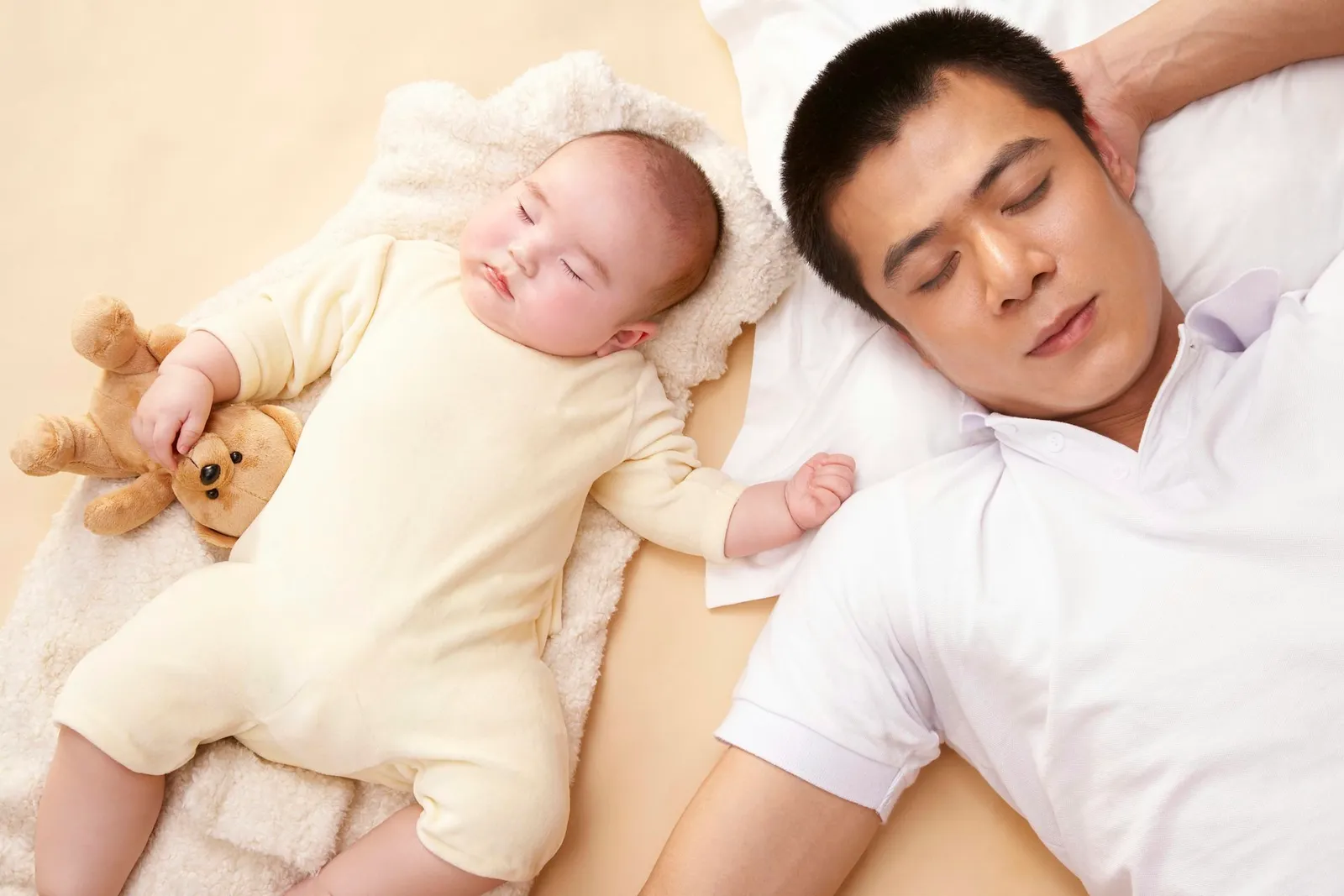
Chinese baby boys have their first celebration a month after birth.
In Chinese practice, a baby shower typically takes place one month after a baby is born. That timing marks when the mother can leave her room and receive visitors. Historically, because infant mortality in China was high, a newborn was often not given a name or fully welcomed into the family until this point. A baby who reached one month was considered more likely to survive, and this custom continues to be observed.
Lucky Money (Lysee)
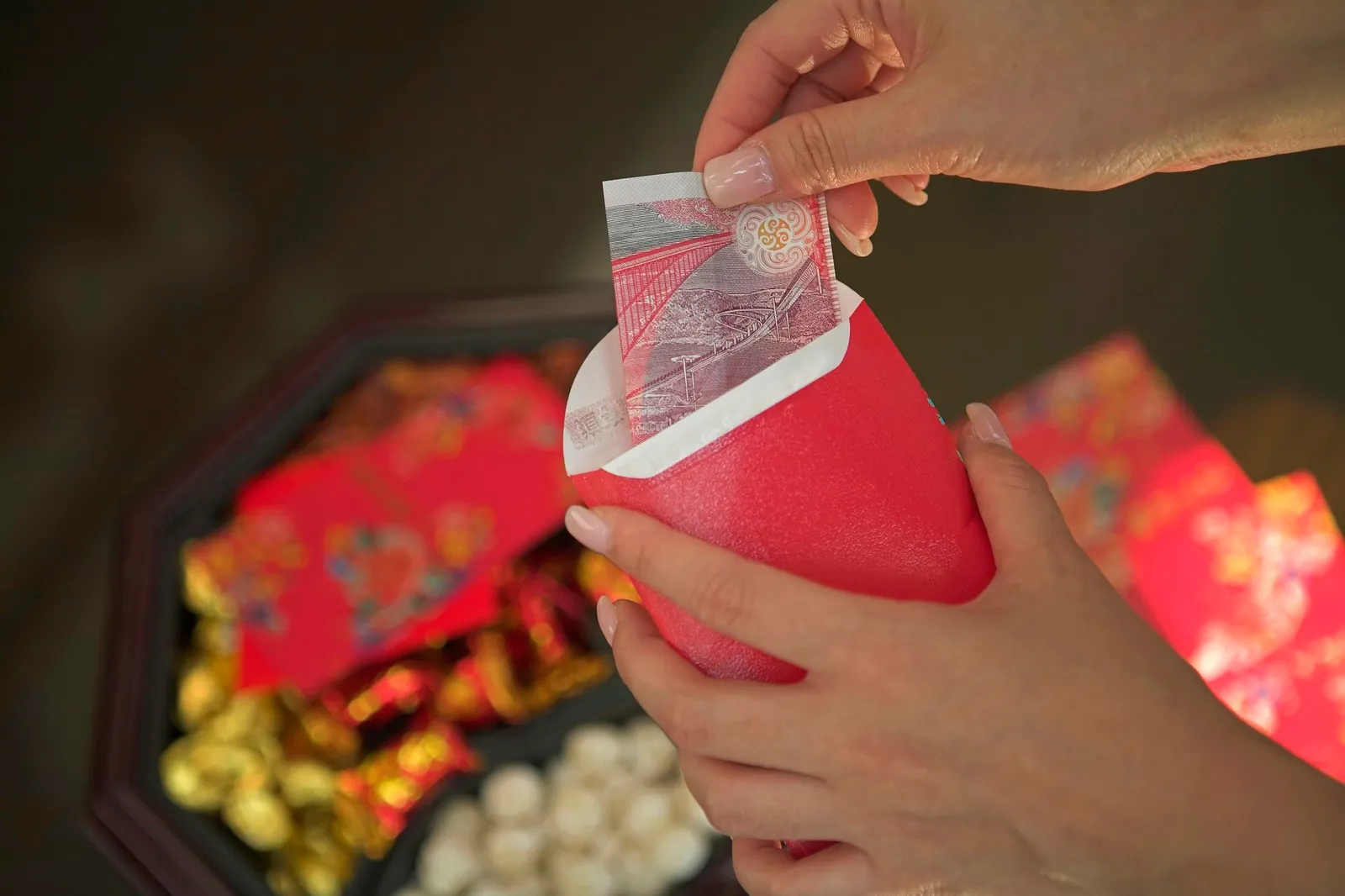
Lysee is usually presented in a red envelope.
For a baby boy, a customary Chinese gift is Lysee, often called "lucky money," which is usually handed over in a red envelope. In China, red is regarded as an auspicious color.
Red Eggs and Ginger
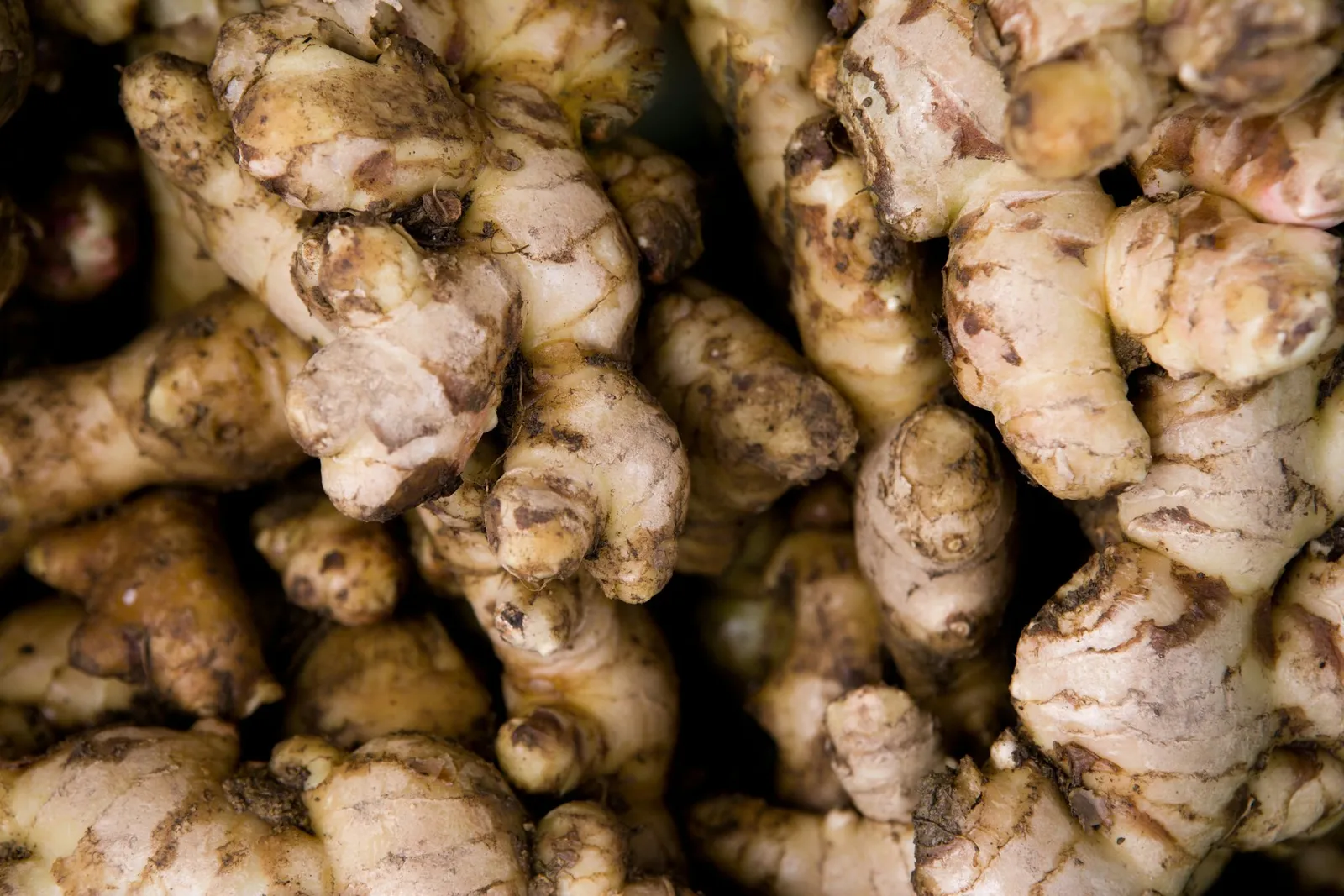
Ginger
At a celebration for a baby boy, red eggs and ginger are traditional gifts with symbolic meaning. Eggs represent fertility and the renewal of life, and ginger is thought to add a degree of "hotness" to the mother's nutritional needs. The eggs are dyed red. Some people hold that an odd number of eggs signifies a boy.
Bracelets That Make Sound
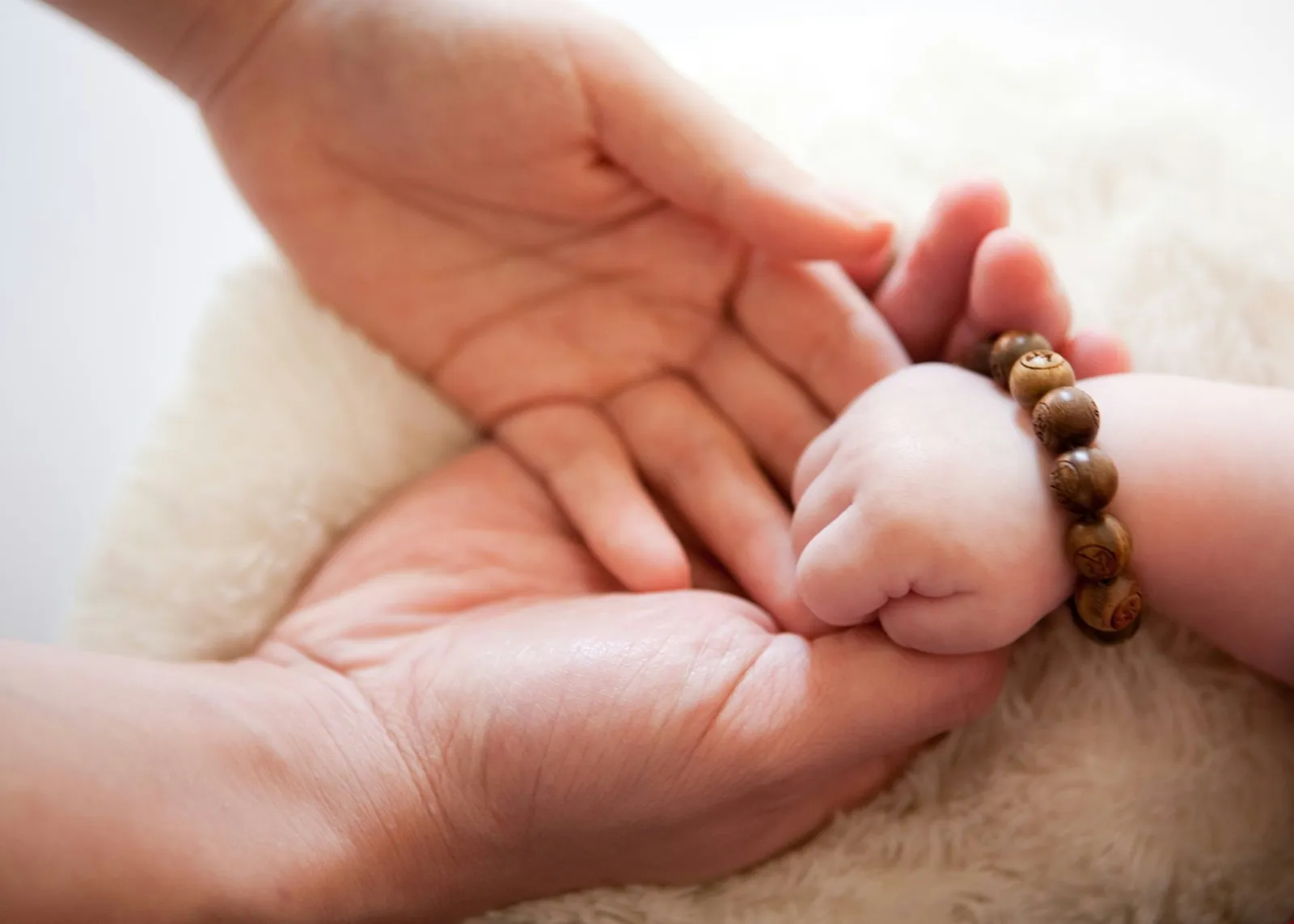
The Chinese believe the sound of the bracelet scares away evil spirits.
In the past, boys were sometimes dressed in girls' clothing to trick evil spirits. Giving a boy a bracelet is generally accepted, particularly if it makes a clinging noise when the baby moves. Chinese belief holds that the sound of the bracelet drives away evil spirits. Coins are frequently strung together into a bracelet and given to a baby boy to wear.
Clothing
Traditional and practical gifts for a Chinese baby boy include clothing. Red garments are seen as lucky, since Chinese people believe the color protects the child from infections and other harmful influences. Tiger print hats, shoes, and bibs are also common traditional presents. In Chinese folklore, the tiger, as king of beasts, possesses a special ability to safeguard children.
Quilt of Wishes (Bai Jia Bei)
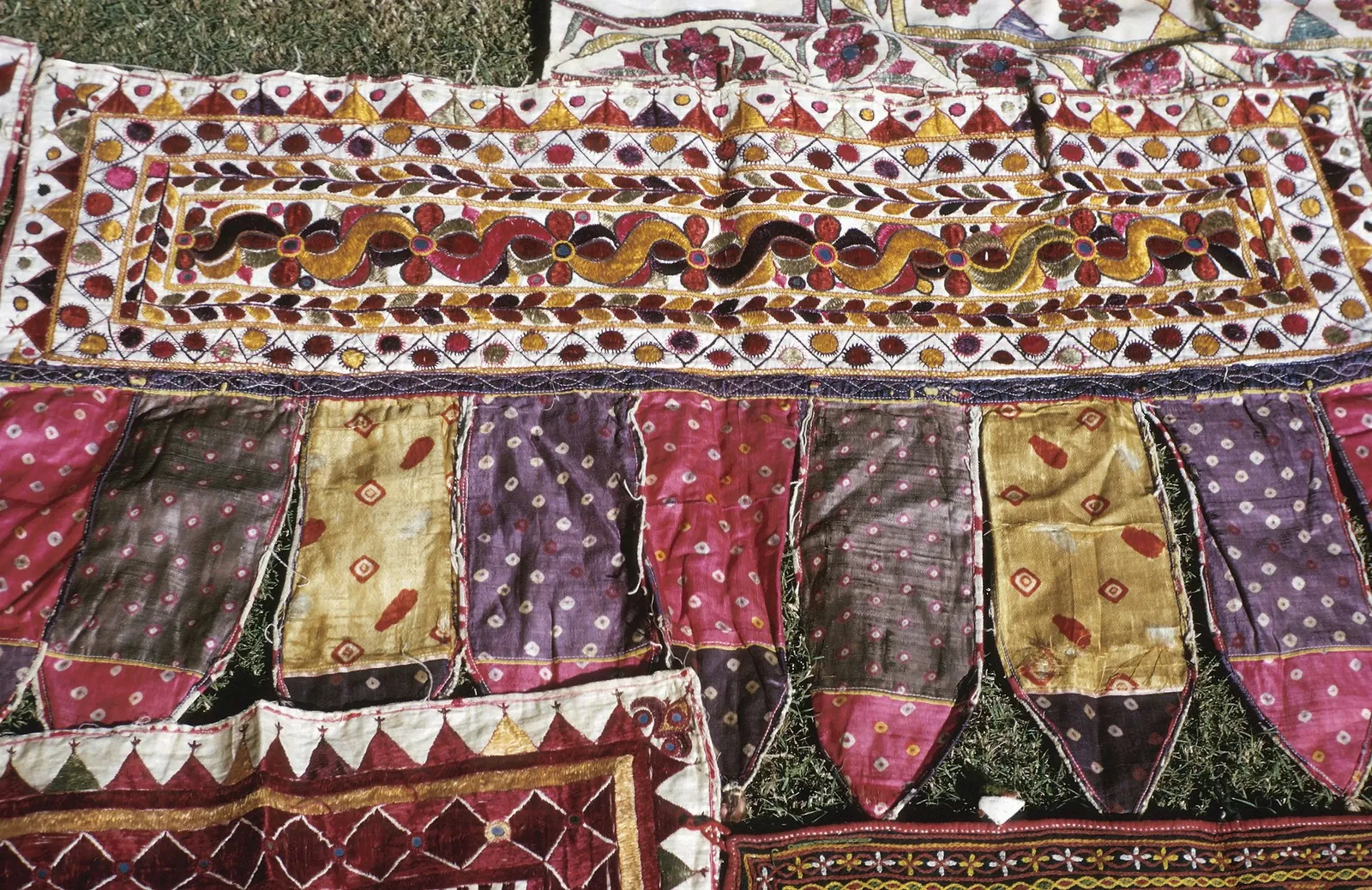
A quilt is sewn from the patches to keep the baby warm and protected at night.
The Quilt of Wishes, known as "Bai Jia Bei," is a Northern Chinese custom for welcoming a new baby boy. Each friend and family member contributes a piece of fabric along with a wish for the baby. These patches are sewn into a quilt to keep the infant warm and protected at night. In older traditions, a patchwork coat was made to disguise the boy as a poor beggar and thereby deceive evil spirits.
Silver or Jade Gifts
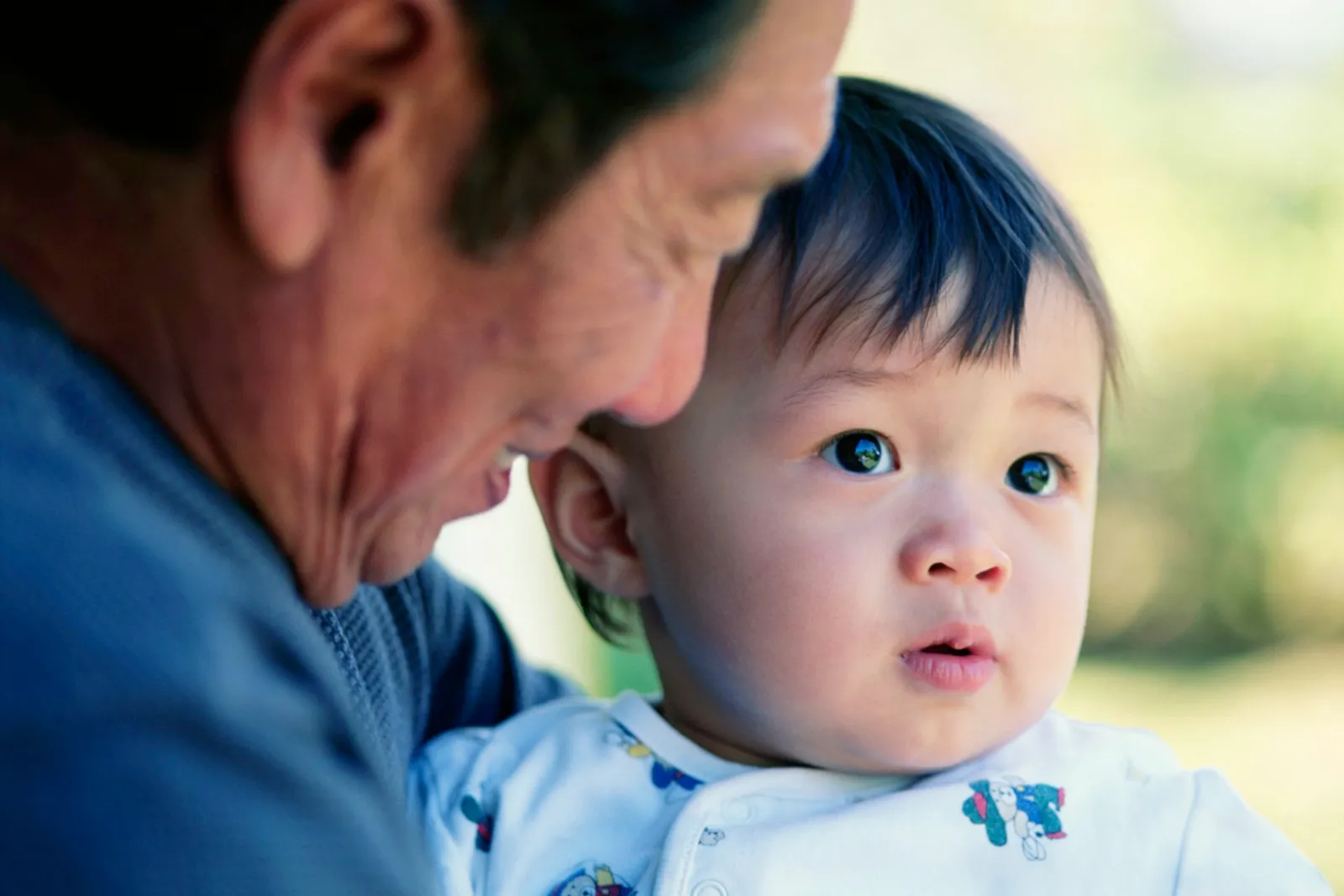
Close family will traditionally give a new Chinese baby boy an item in gold.
Traditionally, close family members such as grandparents give a new Chinese baby boy an item made of gold, silver, or jade to express their deep affection for the child.