Using Essential Oil Blends to Combat and Prevent Spider Mite Infestations
Parker Campbell
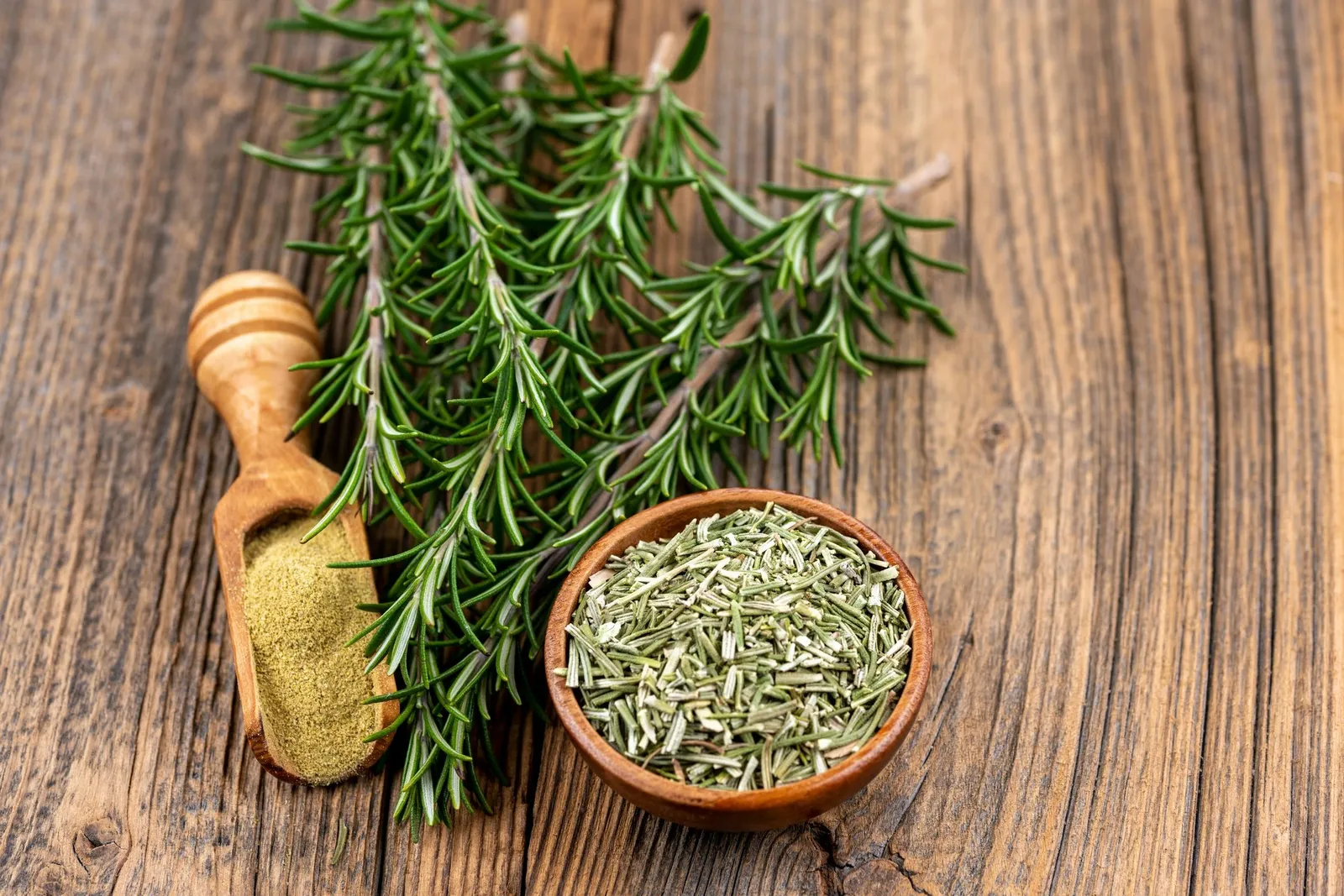
Rosemary oil contains around 90 different chemicals.
For many gardeners, dealing with spider mites is an ongoing frustration. Once these pests establish themselves, they can cause significant damage to plants, potentially stripping them of foliage entirely or reducing crop yields if no action is taken. If you catch the problem early, you can respond quickly and eliminate them using essential oils rather than resorting to chemical insecticides.
Understanding Spider Mites
Among the most frequently encountered garden pests are spider mites. These minuscule creatures become active in warm conditions and survive by consuming plant sap. Their reproductive rate is high, and they can complete several generations in a single growing season. This means an infestation can spiral out of control rapidly if it is not detected promptly.
Since spider mites are tinier than a pinhead, it is more practical to watch for indicators of their activity, including the characteristic webbing they spin on the undersides of leaves and branches. Another possible clue is the appearance of small white or yellow spots on foliage. Because these pests extract sap from leaf tissues, infested leaves may curl and turn brown. As the plant deteriorates, these leaves will ultimately fall off.
An Overview of Essential Oils
Through pressing or distillation, potent concentrated plant extracts known as essential oils are produced. They are used in aromatherapy, taken internally (only when guided by a professional), and applied to the skin.
Given their strength, however, essential oils may irritate the skin if they are not adequately diluted before topical application.
Essential oils serve as an effective and nontoxic means of spider mite control. The oils they contain enable the solution to adhere to leaves rather than being rinsed away, and their strong scent covers the plant's pheromones, making it harder for insects to identify the plants.
Preparing a Spray for Spider Mites
A straightforward, nontoxic spray can be created to target spider mites specifically, leaving the beneficial mites that are already helping to reduce the infestation unharmed.
To make a soap and water mixture, combine 1 teaspoon of lemon-scented liquid dish soap with 1 quart of tap water in a jug. Make sure the dish soap you choose does not contain degreasing agents, bleach, or antibacterial ingredients. After that, stir in a 1/2 ounce of rosemary essential oil, which assists in emulsifying the solution. Shake the mixture thoroughly each time before using it.
Transfer the solution to a spray bottle and apply it to your plants each morning or late afternoon over four days, steering clear of the hottest part of the day. After that, change to applying it every other day for a period of two weeks. When the spider mites are no longer a problem, you can cut back to a weekly application to keep future infestations at bay.
Creating a Preventative Essential Oil Spray
For those who want a stronger blend, three essential oils can be employed for spider mite control. These oils are known to deter a range of pests and are frequently used in pest management.
The oils required are marigold, peppermint, and rosemary. Marigold oil is useful against aphids, whiteflies, flea beetles, and nematodes. Peppermint oil repels ants, spider mites, and squash vine borers, while rosemary oil deters cabbage moths and other mites.
To prepare the essential oil blend, mix 1/2 ounce of each oil together. After combining them, add roughly 1 teaspoon – about 20 drops – of the blend to 1 gallon of water. Then add 5 drops of dish soap and stir. Apply the spray to your plants in the early morning and repeat every two weeks as necessary.