Prunus mume: A Comprehensive Guide to the Chinese Plum Tree
Prunus mume, the Chinese plum, is an uncommon ornamental tree with over a millennium of cultivation in China and Korea. Although it arrived in the United Kingdom in the mid-19th century, it has not become a staple in home gardens. Its modest size makes it suitable for compact yards and garden spaces.
By Rowan Wood
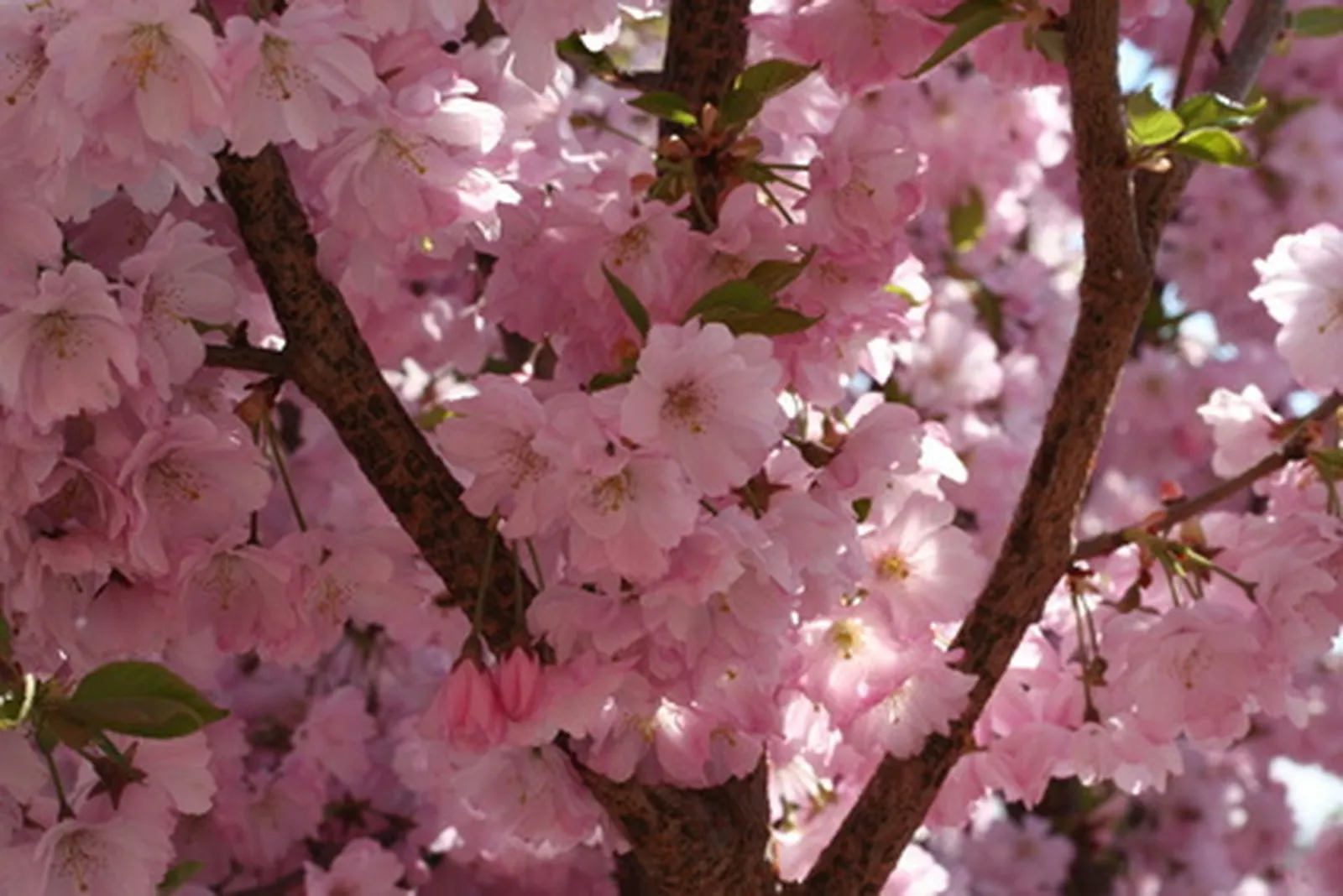
The Chinese plum is a compact tree ideal for small spaces.
Prunus mume, commonly called the Chinese plum, is an uncommon ornamental tree that has been grown in China and Korea for over a thousand years. It reached the United Kingdom in the mid-19th century, yet it has never gained widespread popularity for home landscaping. Because of its modest size, it works well in small yards and gardens. The tree features dark green leaves and stems and emits a pungent scent year-round.
Background and Distribution
Also frequently referred to as the Japanese apricot, the Chinese plum is a member of the Rosaceae family. Its native range is southern China, and from there it spread to Korea, Vietnam, and Japan. For centuries, its fruit—often called a plum but botanically closer to an apricot—has been utilized. The tree is equally recognized for its blossoms, which appear frequently in the art of the region. During the 19th century, it was brought to other continents, and nowadays it is available only through certain specialty nurseries.
Practical Applications
At maturity, the Chinese plum typically reaches about 20 feet in height, which suits small gardens or can serve as a focal point in larger landscapes. Its dark green leaves are oval with pointed ends, making the tree a viable option for screening or privacy. Across Asia, the fruit is a common food source and is made into various goods, such as liquor and tea. In traditional medicine, it has been employed to address fever, cough, and to help prevent heart disease, although scientific support for these uses is lacking. In most regions, the fruit ripens in early summer, offering yellow flesh and skin that is either yellow or tinged with red. Consuming the fruit raw is not advised because it may contain toxins.
Floral Characteristics
The blossoms are among the most distinctive features of the Chinese plum. Each flower measures 1/2 to 1 inch in diameter and consists of five petals. They carry a pleasing scent and typically bloom in late winter, providing a welcome splash of color in the garden. Petal colors range from white and pink to rose and deep red. In Japan, these blossoms are often an early indicator of spring, as they are some of the first to open in the season. Several varieties of the tree exist, including those with weeping branches and flowers that have more than five petals.
Growing Requirements
Most Chinese plum varieties are suited to USDA zones 4 and 5. They are sensitive to cold and need protection from frost to prevent damage to flowers and fruit. Plant them in a sheltered spot that receives several hours of sun daily, in fertile, well-draining soil to avoid health issues. As most are not self-fertile, a second tree is needed for fruit set. Space trees 18 to 22 feet apart to give them room to grow. Once established, the tree needs little maintenance beyond pruning to keep its shape and remove dead wood. When first planted, young trees may need staking to prevent branch injury.