What to Consider Before Bringing Plants Into Your Home
Indoor plants offer visual appeal, but they also come with upkeep demands, the risk of pest problems, and potential danger to dogs and cats. Knowing these downsides can help you decide which plants are right for your space.
By Quinn Cooper
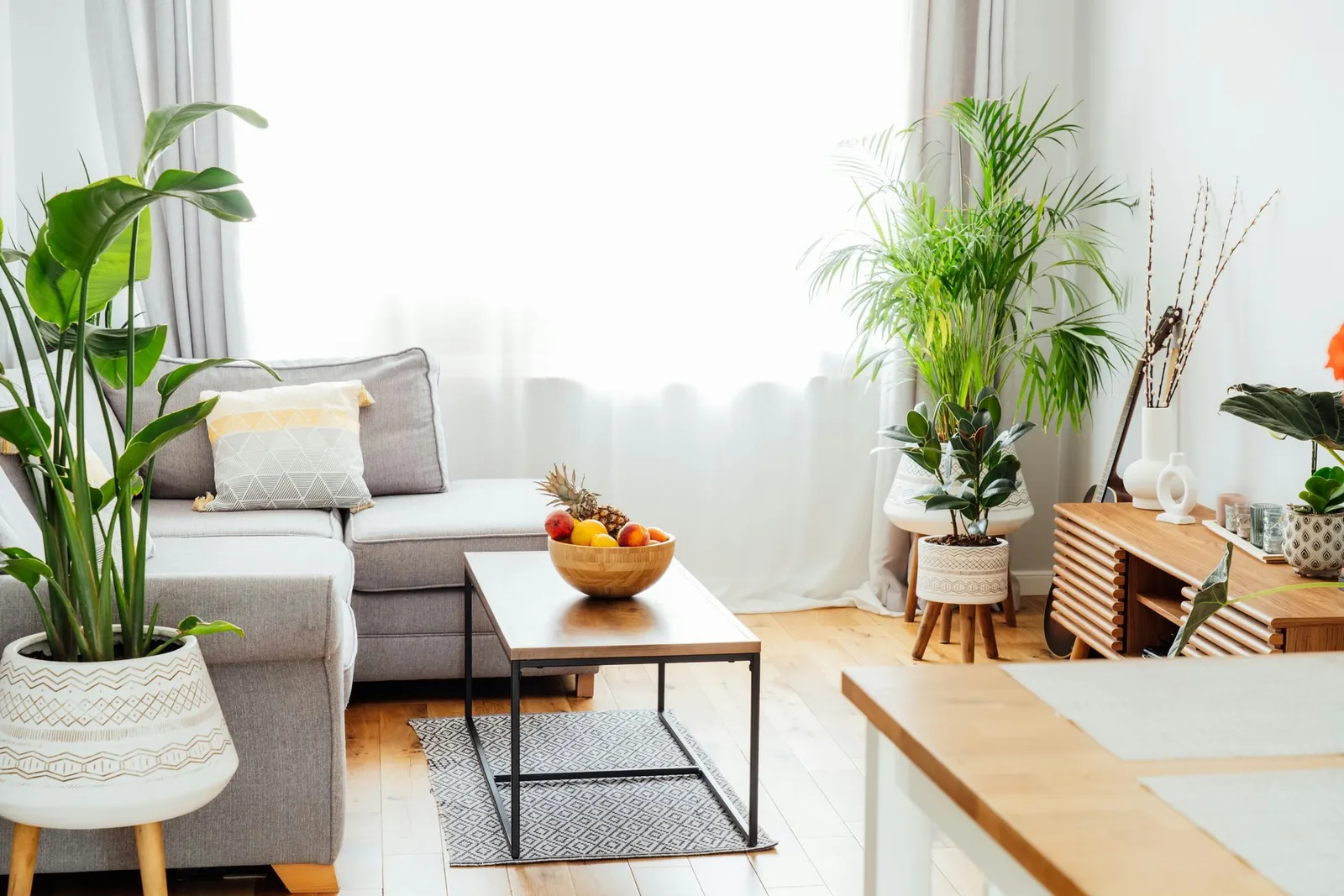
Beautiful indoor plants can be a source of pain and annoyance.
It is widely recognized that keeping plants indoors brings advantages. Whether they flower or not, plants can brighten a room, improve its look, and lift your spirits and overall sense of wellness. Even so, there are downsides to growing plants inside your home. Among the drawbacks are the care they need, the possibility of pest infestations, and, in certain cases, toxicity.
Drawbacks of Growing Plants Indoors
Although their visual appeal is the main advantage, one notable downside of indoor plants is that they need attention during the growing season—such as correct watering and feeding—if they are to stay looking their best. Certain plants demand more care than others and have distinct growing requirements, so selecting species that match the light and humidity levels in your home matters.
When plants get too little light or moisture, they can wilt and lose their leaves. As a result, after a trip away, you might return to find your indoor plants looking somewhat frail, unless you arrange for someone to tend to them while you are gone.
Just like other items in a home, indoor plants can accumulate dust, so they may need regular wiping. They can also grow too large for their pots, meaning you will need to set aside time to repot them from time to time. Pruning indoor plants occasionally may also be required.
Pest Problems on Indoor Plants
When indoor plants are not given proper care, they become vulnerable to pest infestations. A number of pests commonly affect indoor plants, among them spider mites, aphids, mealybugs, and scale. Spider mites, which are more closely related to arachnids than to other insects, are difficult to spot without magnification but leave behind visible webs. Aphids, mealybugs, and scale insects are tiny insects that produce a sticky substance called honeydew, which draws black sooty mold.
Since these pests feed on plant sap, they can all lead to yellowing leaves, leaf drop, and, in serious cases, poor plant growth. The most effective way to prevent these infestations is to provide your indoor plants with enough moisture, light, and fertilizer, and to make sure their containers drain properly. To reduce the risk of infestation, you should also steer clear of garden soil for indoor plants and buy only nursery plants that appear healthy. A houseplant with a severe infestation may have to be thrown away.
Houseplants and Your Pets
If dogs or cats share your home, you need to be careful about which plants you introduce, because many popular indoor plants are toxic to pets. One example is lilies (Lilium spp.), a common flowering plant around Easter that contains compounds capable of causing kidney damage in cats, even in small amounts.
A succulent known as kalanchoe (Kalanchoe spp.) can have harmful cardiac effects in animals. The sago palm (Cycas revoluta) is regarded as severely toxic and can lead to liver failure if eaten. If your dog or cat has consumed a toxic plant, contact a poison control center or your veterinarian immediately.
Plants that are not toxic to pets—and are therefore safe to keep at home—include African violets (Streptocarpus spp.) and the spider plant (Chlorophytum comosum). The spider plant works particularly well in hanging baskets, which can help keep it out of pets' reach.