Rubber Tree Ailments and Infestations: A Guide
Rubber trees (Ficus elastica) are prized for their shiny, year-round leaves and work well indoors or as outdoor ornamentals where frost is not a concern. In their natural habitat they grow into large trees, but regular pruning allows them to be maintained at a modest size. When conditions are right, health problems are rare; however, poor care such as excessive watering or insufficient light can leave them vulnerable to a handful of issues.
By Taylor Mitchell
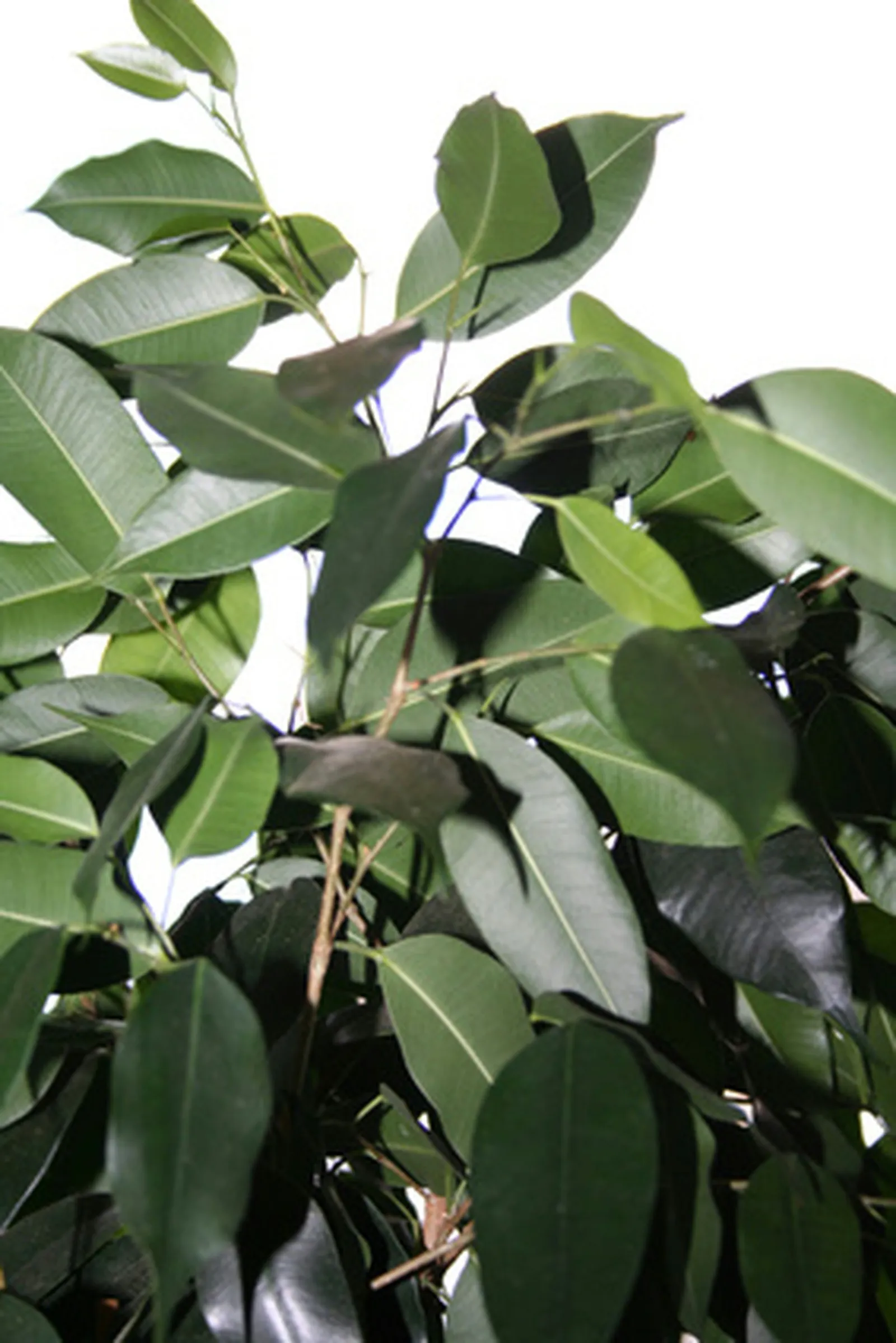
Rubber trees are popular, disease-resistant houseplants.
With their shiny, year-round leaves, rubber trees (Ficus elastica) are popular as indoor plants and can also be grown outdoors in regions without frost. In the wild they develop into large trees, yet they tolerate pruning well and can be kept compact through regular trimming. A well-cared-for rubber tree rarely faces serious threats from pests or diseases, but when stressed by too much water or insufficient light, it may fall prey to several problems.
Southern Blight
Southern blight is a moisture-linked fungal infection that appears in rubber trees during summer and is relatively easy to prevent. It is caused by the fungus Sclerotium rolfsii. The first signs are reddish or yellow spots on lower leaves, especially on plants that are frequently misted or given too much water. As the disease advances, cotton-like fungal growth accompanied by hard brown nodules emerges around the base of the stems, later moving up the stems and onto the leaves. Since southern blight is severe and hard to cure, avoiding it in the first place is the best approach. When repotting rubber trees, use only sterilized potting medium, and water lightly during the growing season while keeping the foliage dry.
Crown Gall
Crown gall, a bacterial disease of rubber tree roots and stems, is caused by Agrobacterium tumefaciens. It produces swollen areas along the stems that can develop into large, unsightly growths, which are fatal to the plant. Roots may also be impacted, losing their ability to take up nutrients and water. No cure exists for crown gall, so infected plants have to be destroyed to stop the bacterium from spreading.
Xanthomonas Leaf Spot
Among the most frequently seen rubber tree diseases is Xanthomonas leaf spot. It is caused by the bacterium Xanthomonas campestris and shows up as small, oozing spots on the leaves that eventually turn them yellow and kill them. These spots enlarge quickly and are frequently surrounded by bright yellow halos that spread between the leaf veins. Copper-based bactericides applied early can limit the spread, though excessive use may damage healthy tissue. Avoiding overwatering and using fertilizer in moderation can help prevent Xanthomonas leaf spot.
Thrips
Thrips are minute winged insects that feed on rubber trees. While certain rubber tree cultivars resist thrip infestations, most ficus houseplants commonly sold are vulnerable. The first indication is silvery-gray scarring on the undersides of leaves where feeding has taken place, which often leads to infested leaves curling and falling off. Commercially available insecticides can both prevent and control thrips.
Mealybugs
Mealybugs are white, waxy insects that occasionally take up residence on the undersides of rubber tree leaves. Initial signs of an infestation include drooping or dry-looking leaves and cotton-like clusters at leaf attachment points and on leaf undersides. Removing mealybugs by hand is challenging and rarely works well, but spraying the affected area with a mixture of alcohol and water can reduce the infestation's severity.