Palm Tree Heights: From Towering Giants to Compact Indoor Varieties
Palm species vary widely in size, ranging from a South American giant that can reach 200 feet to small types suitable for growing inside a home.
By Robin Hill
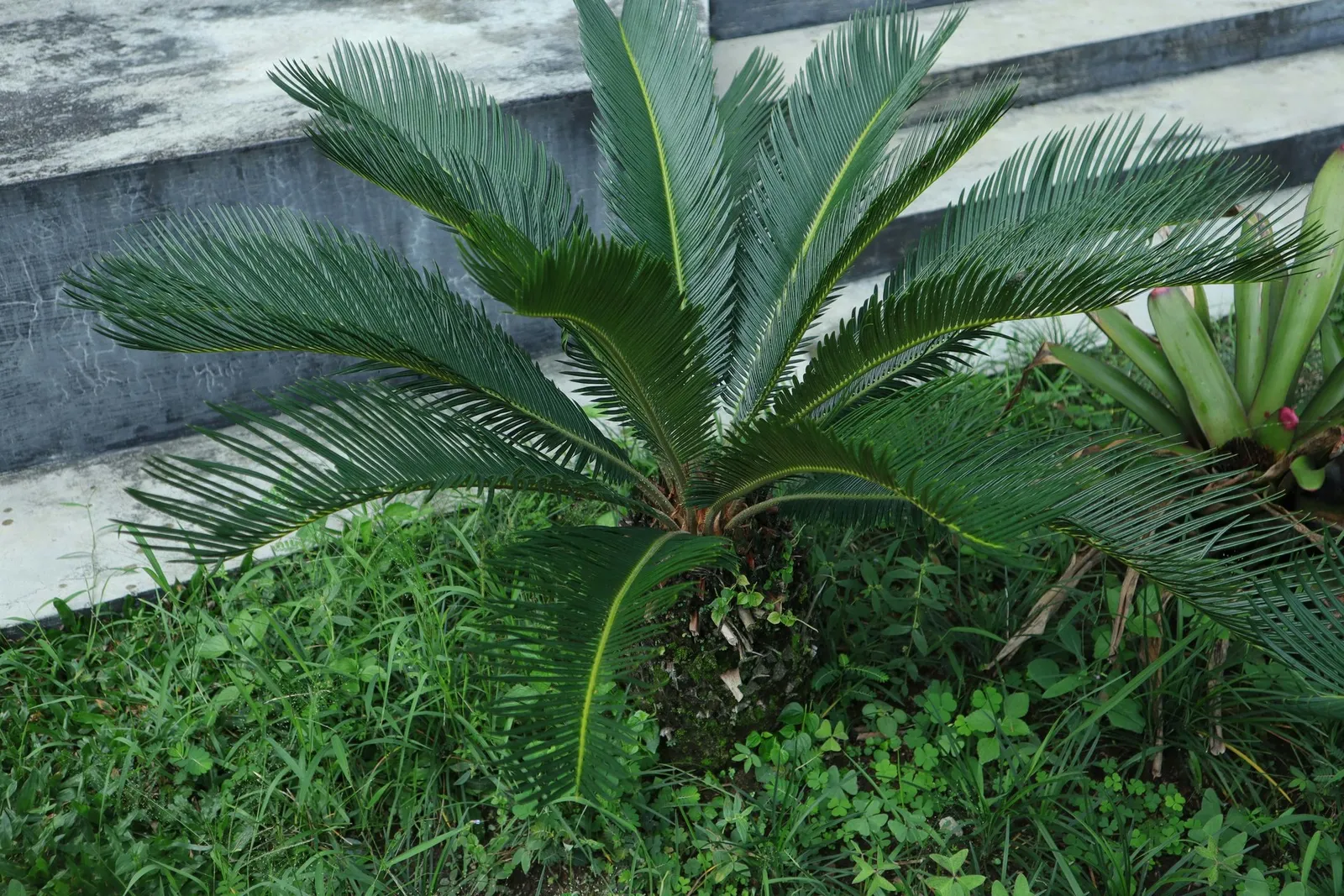
Palm trees come in various sizes.
Palm trees belong to a group of more than 2,600 known species that are more closely related to grasses than to true trees. They are found on every continent except Antarctica. Their sizes differ dramatically: the tallest species can soar to 200 feet, while dwarf types suitable for indoor growing typically stay under 10 feet.
The Tallest Palms on Earth
The Quindío wax palm (Ceroxylon quindiuense), native to the Andes mountains of South America, holds the title of the world's tallest palm, reaching heights of up to 200 feet. It is the national tree of Colombia, and its wax was historically used in candle-making.
Another towering species is the Mexican fan palm (Washingtonia robusta), which originates in northern Mexico and can grow to 100 feet. This palm is closely related to the desert fan palm (Washingtonia filifiera), also called the California fan palm. The latter is the only palm native to the western United States, typically growing to about 66 feet but sometimes exceeding that, making it the tallest palm in the country.
Palms of Medium Stature
A wide range of palm species from various genera reach heights between 10 and 50 feet. For example, the cabbage palm (Sabal palmetto), designated the state tree of both Florida and South Carolina, grows to approximately 40 feet. The cold-tolerant windmill palm (Trachycarpus fortunei) from China ranges from 20 to 40 feet. Australia's foxtail palm (Wodyetia bifurcata) tops out at 30 feet. The spindle palm (Hyophorbe verschaffeltii), which is nearly extinct in its native Mascarene Islands in the Indian Ocean but cultivated worldwide, grows to between 20 and 25 feet.
Smaller medium-sized palms include the triangle palm (Dypsis decaryi) from Madagascar and the slow-growing zombie palm (Zombia antillarum), native to Hispaniola (the island shared by the Dominican Republic and Haiti). Both reach heights of 10 to 15 feet, making them suitable for gardens. Since the zombie palm does not exceed 10 feet, it is a good choice for planting beside single-story houses.
Palms for Indoor Growing
For indoor cultivation, choose palms that mature at around 6 feet or less, or that grow slowly enough to remain indoors for years. The pygmy date palm (Phoenix roebelenii) typically grows to about 6 feet, though it can reach 12 feet—its slow growth rate makes this unlikely to be a problem. Parlor palms (Chamaedorea spp.), a favorite in Victorian-era decor, have wide spreads that make them ideal for filling large indoor spaces, and they need less light than many other palms. The cat palm (Chamaedorea cataractarum) is particularly easy to grow. Lady palms (Rhapis spp.) are another popular indoor option; the Thailand lady palm (Rhapis subtilis) maxes out at 6 feet tall.