Cultivating Bamboo in Wisconsin: A Practical Guide
Bamboo thrives in tropical and temperate zones, and in Wisconsin the ideal planting window is spring through summer to maximize survival odds. Under favorable conditions, it can add as much as 3 inches of height daily. Success depends heavily on picking the right site, soil, and species, yet bamboo remains an affordable way to bring a striking decorative touch to a garden.
By Hayden Ward13 steps
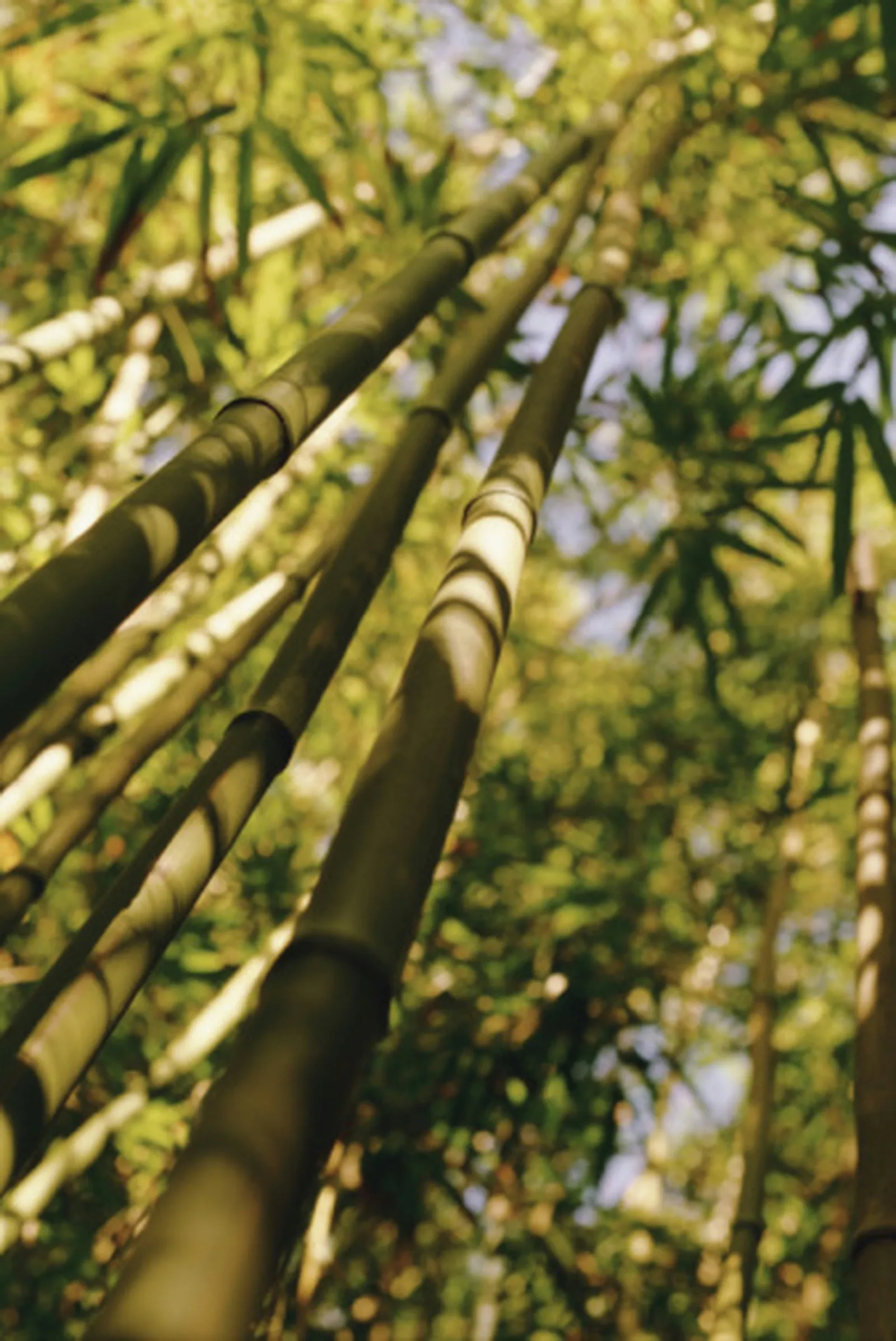
Though bamboo grows best in tropical climates, it is possible to grow healthy, hearty bamboo in the Wisconsin climate.
Bamboo is a plant that performs best in tropical and temperate climates. For those cultivating it in Wisconsin, planting during the spring and summer months gives the best chance of survival. When conditions are favorable, bamboo can add up to 3 inches of growth in a single day. Compared with many other plants, growing bamboo can present more difficulties because factors such as placement, soil, and climate all matter greatly. Even so, bamboo is fairly inexpensive and can serve as an attractive decorative feature in your garden.
Step 1
Look into the specific bamboo type you wish to cultivate to confirm it can survive Wisconsin's climate. Visit a local garden store and speak with a representative about the bamboo variety you have in mind and the location where you plan to grow it. Bamboo species that are able to grow in Wisconsin include Snow Bamboo, Canebrake Bamboo, and Dwarf Variegated Bamboo.
Step 2
Pick a spot for your bamboo. Since bamboo develops best where it receives direct sunlight, choose a growing area that gets plenty of sun during the summer and spring months.
Step 3
Use a loam or marley soil for planting your bamboo. Moderately acidic soil is what bamboo favors most.
Step 1
In the chosen planting area, dig a hole. It should be roughly as deep as the container the bamboo arrived in from the nursery and about two times as wide. If the bamboo is planted too deeply, it may be unable to absorb proper nutrients.
Step 2
Blend one part organic compost with one part soil. Put this mixture into the hole, concentrating on the bottom and the outer walls. Leave sufficient space for the bamboo stalk itself.
Step 3
Set the bamboo stalk into the hole and pack the soil/compost blend around the plant. Take care not to leave air pockets near the roots.
Step 4
Give the newly planted bamboo a generous amount of water, then firmly pack the soil once it is wet. Following the first watering, provide water about two to five times per week to support optimal growth. In warmer climates, bamboo requires more frequent watering.
Step 5
Spread a layer of mulch over the roots and rhizomes to shield the plant. Compost and dried leaves are the most suitable mulch for bamboo.
Step 1
Once the bamboo has established itself, apply a 2-inch layer of fertilizer to the soil around the shoots. An organic fertilizer with a high nitrogen content is the best choice for bamboo.
Step 2
Remove older bamboo stalks from the bamboo area. Regular pruning is not required after planting, but older stalks may begin to dry out and can be cut away when needed. This is done mainly for aesthetic reasons, though it can also support the healthy development of new stalks.
Step 3
Shield the bamboo from frost and ice. Wisconsin experiences extremely cold weather during the winter months, so adding a thick layer of mulch at the base of the stalks is important.
Step 4
Around the bamboo area, plant a hearty, cold-weather plant. Such a plant will take in much of the wind and help keep the bamboo healthy through the winter months. You can also put up a panel or screen around the bamboo to guard it against cold winds.
Step 5
If spreading turns into a problem, dig a trench around the bamboo area. Bamboo has a shallow root system, so the trench does not need to be very deep; roughly 3-4 inches should be sufficient to keep the bamboo contained.