Prickly Pear Cactus Cultivation Guide
Prickly pear cacti, belonging to the Opuntia genus, are resilient plants that thrive in arid, sun-baked locations where other leafy vegetation struggles. Approximately 200 species exist, native to the Americas, ranging from low-growing forms to tall tree-like specimens. These cacti feature flat, water-storing stem segments called pads, produce vibrant spring blooms, and yield fleshy fruits. They are suitable for USDA hardiness zones 3b to 11, depending on the species.
By Finley White
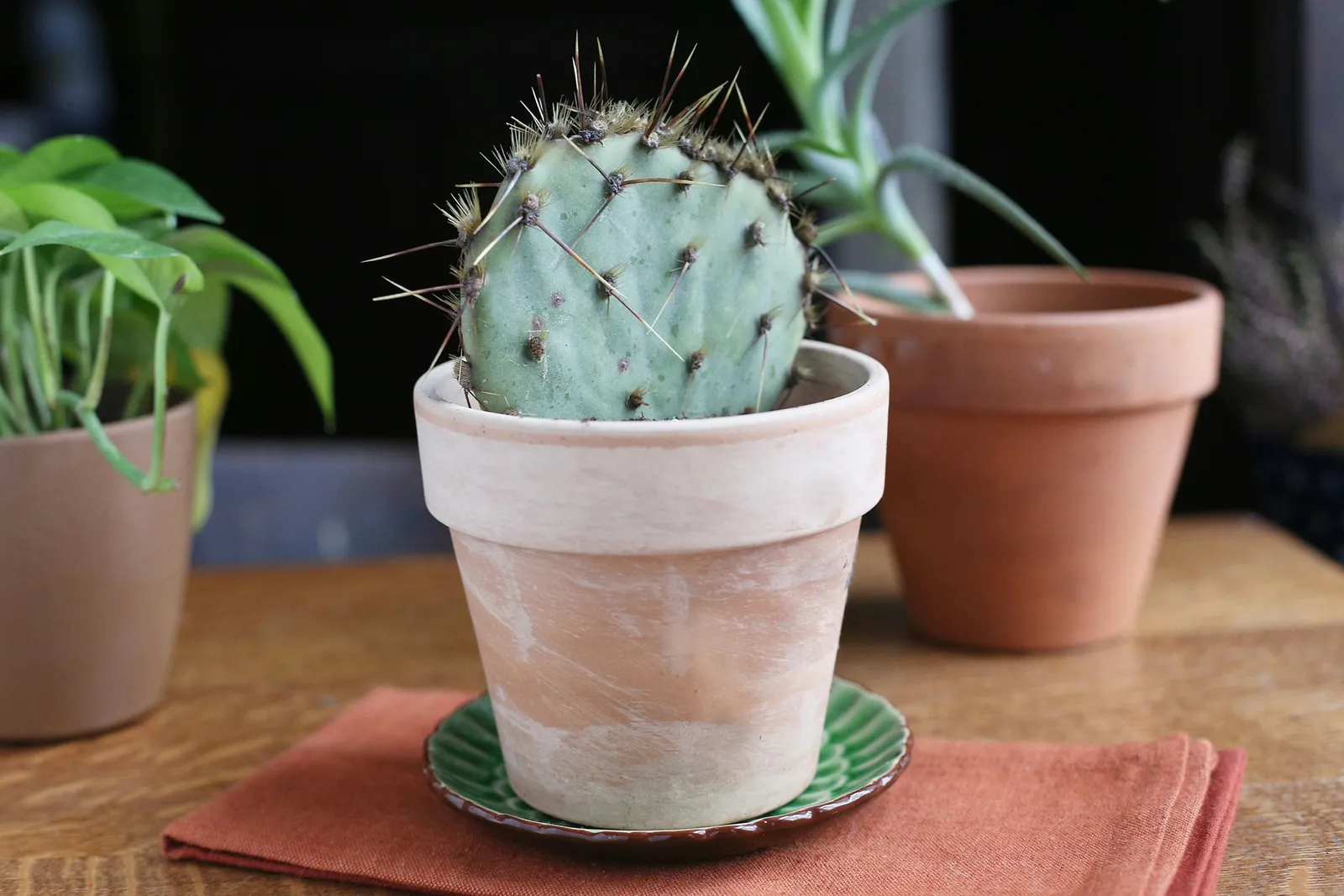
Prickly pears (Opuntia spp.) are resilient and low-maintenance, thriving in parched, sun-baked garden areas where moisture-loving plants falter. The genus comprises roughly 200 species indigenous to North, South, and Central America, spanning from low-spreading forms to tree-like specimens exceeding 10 feet in height. Their stems are flattened, typically rounded, and store water; each segment is known as a pad. In spring, they bear striking cup-shaped blossoms, which are followed by succulent fruits. These cacti can be grown outdoors across USDA plant hardiness zones 3b through 11, though this range varies by species.
Soil Conditions and Plant Spacing
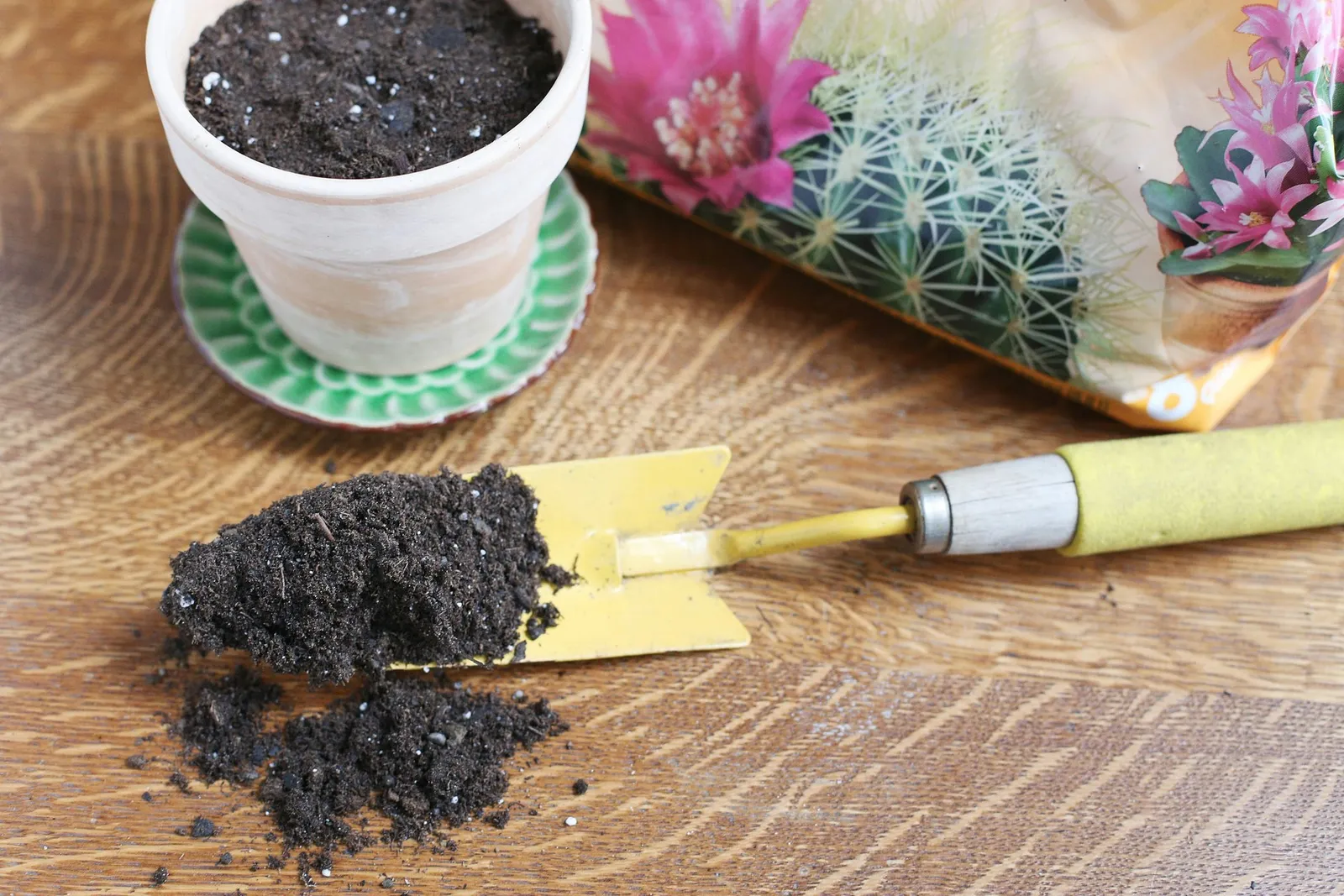
Prickly pears are adaptable to a wide range of soil types provided drainage is adequate. They favor sandy loam and can withstand alkaline conditions. For most species, spacing of about 2 to 3 feet apart is recommended, but this differs among species. Large types like Indian fig (Opuntia ficus-indica), hardy in USDA zones 8 through 11, may reach 16 feet in both height and spread. When space is at a premium, select smaller varieties such as hardy prickly pear (Opuntia humifusa), suitable for USDA zones 5 through 10, or beavertail cactus (Opuntia basilaris), which attains 2 feet in height and 4 feet in width in USDA zones 7 through 10.
Irrigation Needs
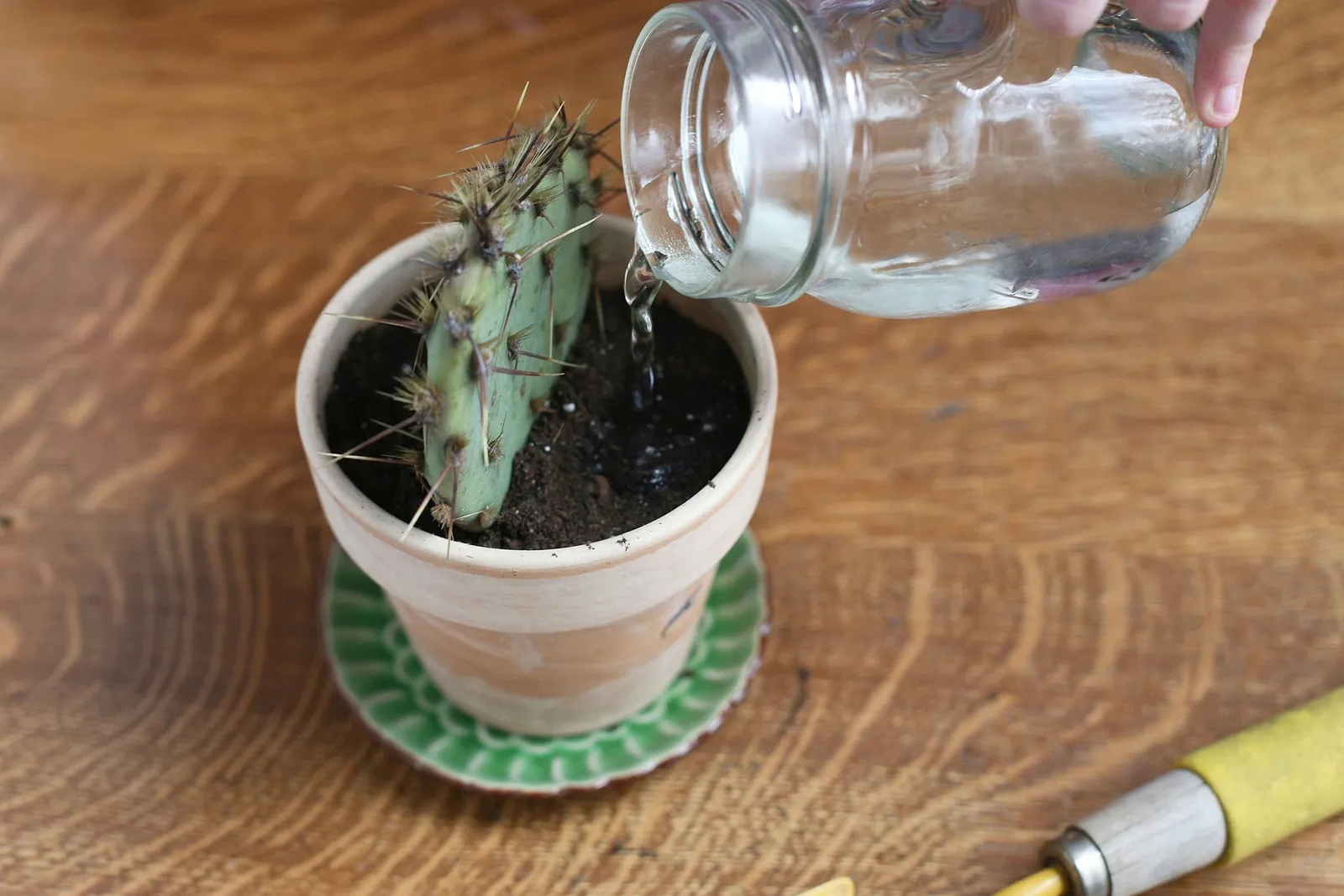
During the first summer after planting, provide water to prickly pear. Once established, it becomes drought-tolerant and typically requires no additional irrigation. Supplemental water in spring and summer can accelerate growth, but it is not necessary, particularly where space is constrained. In the hottest summer regions during dry spells, pads may shrink and wrinkle as they consume stored moisture. While the plants endure such conditions, watering can restore their plump look and improve their appearance. Apply enough water to moisten the top several inches of soil. Prickly pear roots are concentrated just below the surface, enabling rapid uptake of moisture.
Sun Exposure and Pruning
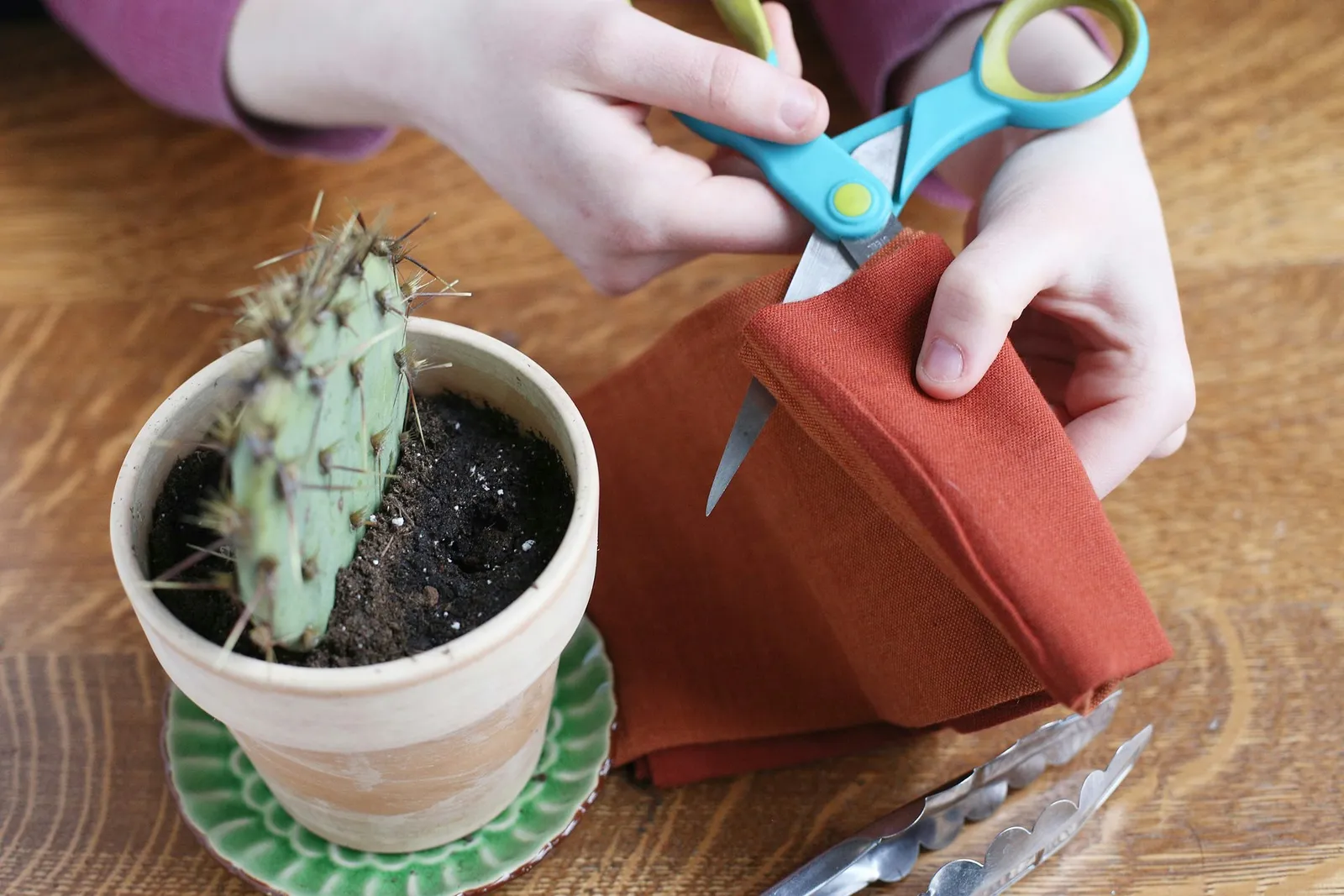
Choose a site in full sun for prickly pears. They can manage with partial shade, but growth may become stretched and flower production reduced. To control size, prune prickly pears. Use kitchen tongs to handle the pads and avoid injury from long spines and the tiny, hair-like glochids. For species with only tufts of glochids, such as beavertail and bunny ears (Opuntia microdasys), which grows in USDA zones 7 through 10, mist the plant with water before working on it. This keeps glochids from becoming airborne, where they can irritate skin or pose a respiratory risk. Disinfect pruning tools with a cloth moistened with rubbing alcohol to prevent disease transmission. Use pruning shears for smaller pads and a pruning saw for larger, tougher ones. Cut away the outermost pads at the narrowest point where they attach to a lower pad. Large pads can be heavy due to stored water. Summer, after new pads have matured, is a suitable time for pruning.
Fertilizer Requirements
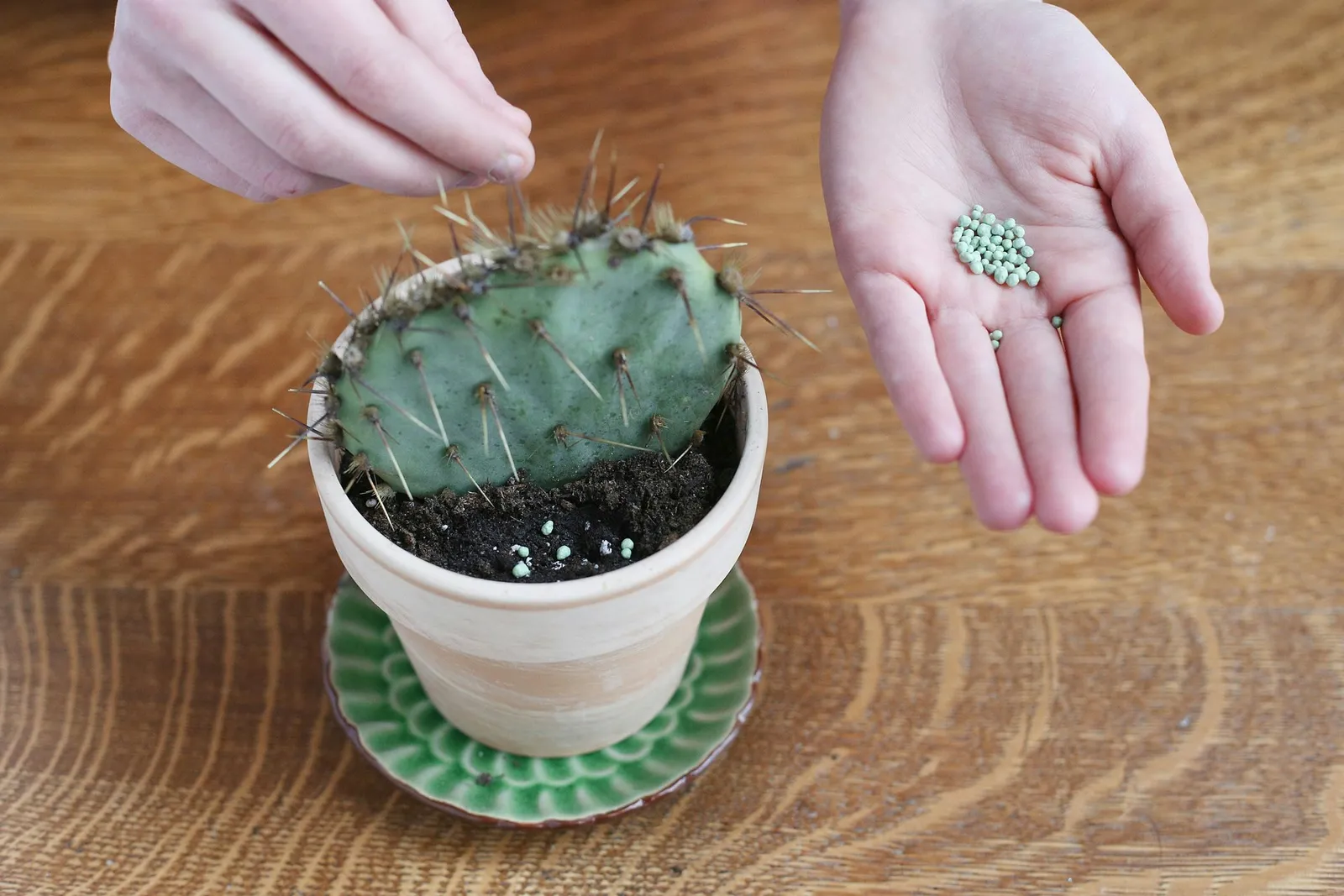
Fertilizer is unnecessary for prickly pears because their roots efficiently extract nutrients from the soil. If you wish to boost flower and fruit production without encouraging excessive pad growth, apply a no-nitrogen fertilizer such as 0-10-10 on a monthly basis. Use 2 tablespoons per 1 foot of plant width or height. Spread the fertilizer evenly around the plant, work it into the topsoil, and water the area. In some regions, prickly pears can become invasive.