Effective Ways to Clear Weeds Before Establishing a New Lawn
Before you sow grass seed or put down sod, you need to eliminate existing weeds. Three primary approaches—smothering with newspaper in fall, solarizing with plastic in spring, or using a glyphosate-based herbicide—can accomplish this, each with its own steps and timing.
By Skyler Mitchell8 steps
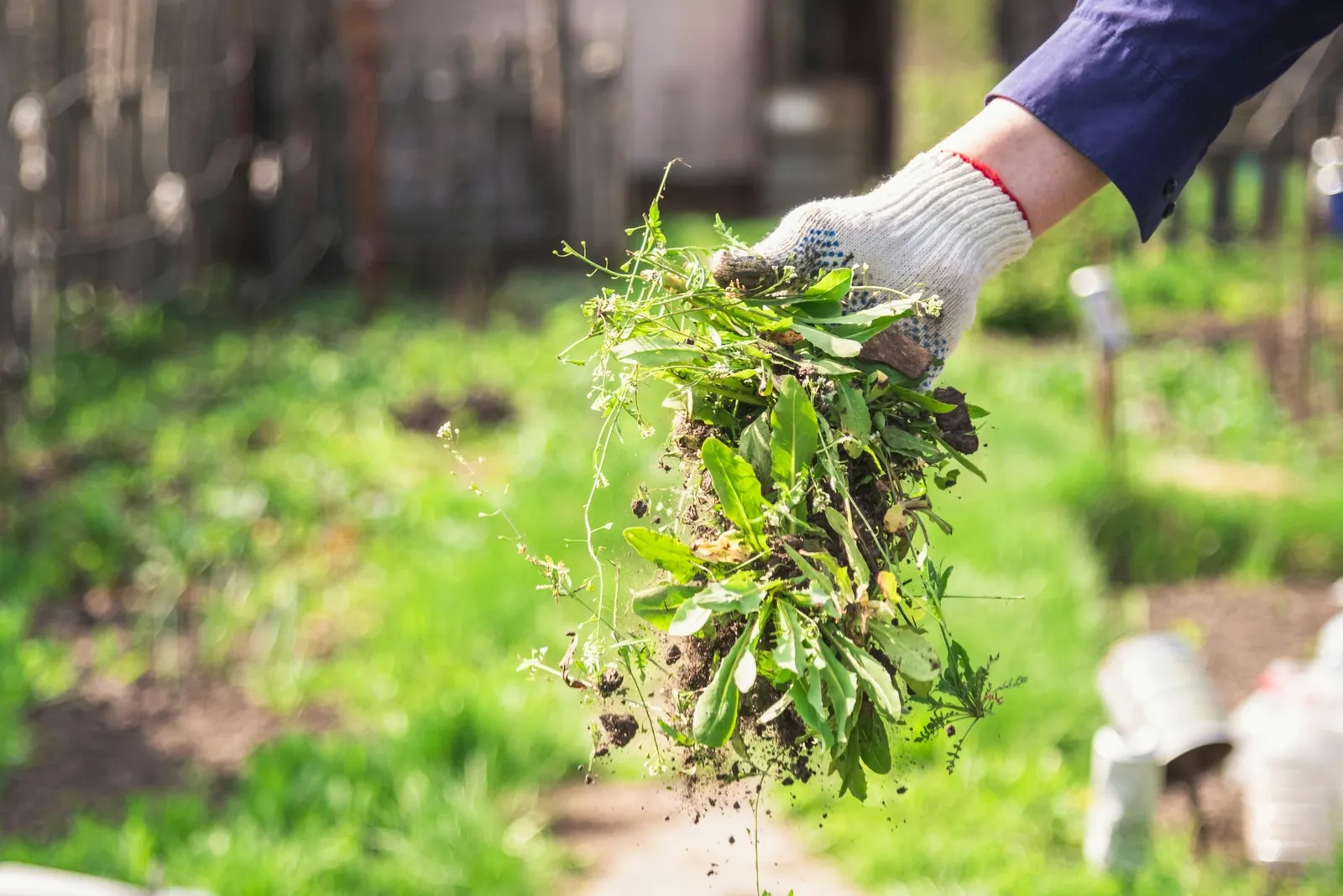
You can kill weeds before planting grass.
A thriving lawn begins with thorough weed removal. Both chemical and non-chemical strategies can be effective. Lawn grass species and varieties grow across USDA hardiness zones 1 through 11. Whether you plan to seed or lay sod, investing time in proper weed elimination before establishing the lawn will save you from spending summer and fall manually pulling unwanted plants.
Fall Smothering with Newspaper
For a natural approach before fall seeding, you can smother weeds using newspaper and compost in the fall. Allow the materials to remain over winter; by spring, the weeds will have died.
Step 1: Lay Down the Newspaper
Place multiple layers—each at least five to six sheets thick—of newspaper over the area where you want the lawn. Use standard black-and-white newsprint, avoiding glossy advertisements or inserts.
Step 2: Cover with Mulch
Add a 3-inch layer of heavy organic mulch, such as compost or aged manure, on top of the newspaper.
Step 3: Incorporate Newspaper and Mulch
Come spring, use a rototiller to work the newspaper, mulch, dead weeds, and roots into the soil.
Spring Solarization with Plastic
Use summer heat and sun to kill weeds before seeding or sodding. Begin in late spring or early summer and leave the plastic in place for four to six weeks. If the weather is overcast or you live in a cooler climate, keep the plastic down for eight weeks to ensure the soil heats sufficiently. By late summer or fall, the area will be ready for planting.
Step 1: Mow the Site
Cut weeds, grasses, and other unwanted vegetation as close to the soil surface as possible. Then rake up and dispose of the clippings.
Step 2: Till and Rake
Work the soil to a depth of 6 to 8 inches, then rake it smooth.
Step 3: Water the Area
Irrigate slowly until the soil is moist to a depth of 12 inches. A sprinkler is suitable for this task.
Step 4: Place the Plastic Sheeting
Cover the area with plastic. Overlap multiple sheets by 5 to 6 inches so weeds cannot emerge through gaps. Secure the edges with bricks, stones, or boards to hold the plastic firmly.
Step 5: Remove the Plastic
In the fall, take off the plastic and till the soil again before planting.
Chemical Control Approach
A single application of weed killer can effectively eliminate weeds before a new lawn is planted. Choose a nonselective herbicide containing glyphosate. These products kill weeds on contact, but once they enter the soil they become inactive, so you can remove weeds without harming your future lawn.
Dig and Discard Approach
Hand removal is another non-chemical option for clearing weeds before planting a new lawn. You can plant the lawn as soon as the area is cleared.