Maintaining Cedar Planters for Long-Term Outdoor Use
Cedar planters are a durable choice for outdoor gardening thanks to cedar's natural oils that resist pests and decay. Even though cedar is affordable and often sourced from sustainable forests, it can still fade and deteriorate. To keep your cedar planters looking good and lasting longer, you need to take a few protective measures.
By Hayden Bailey5 steps
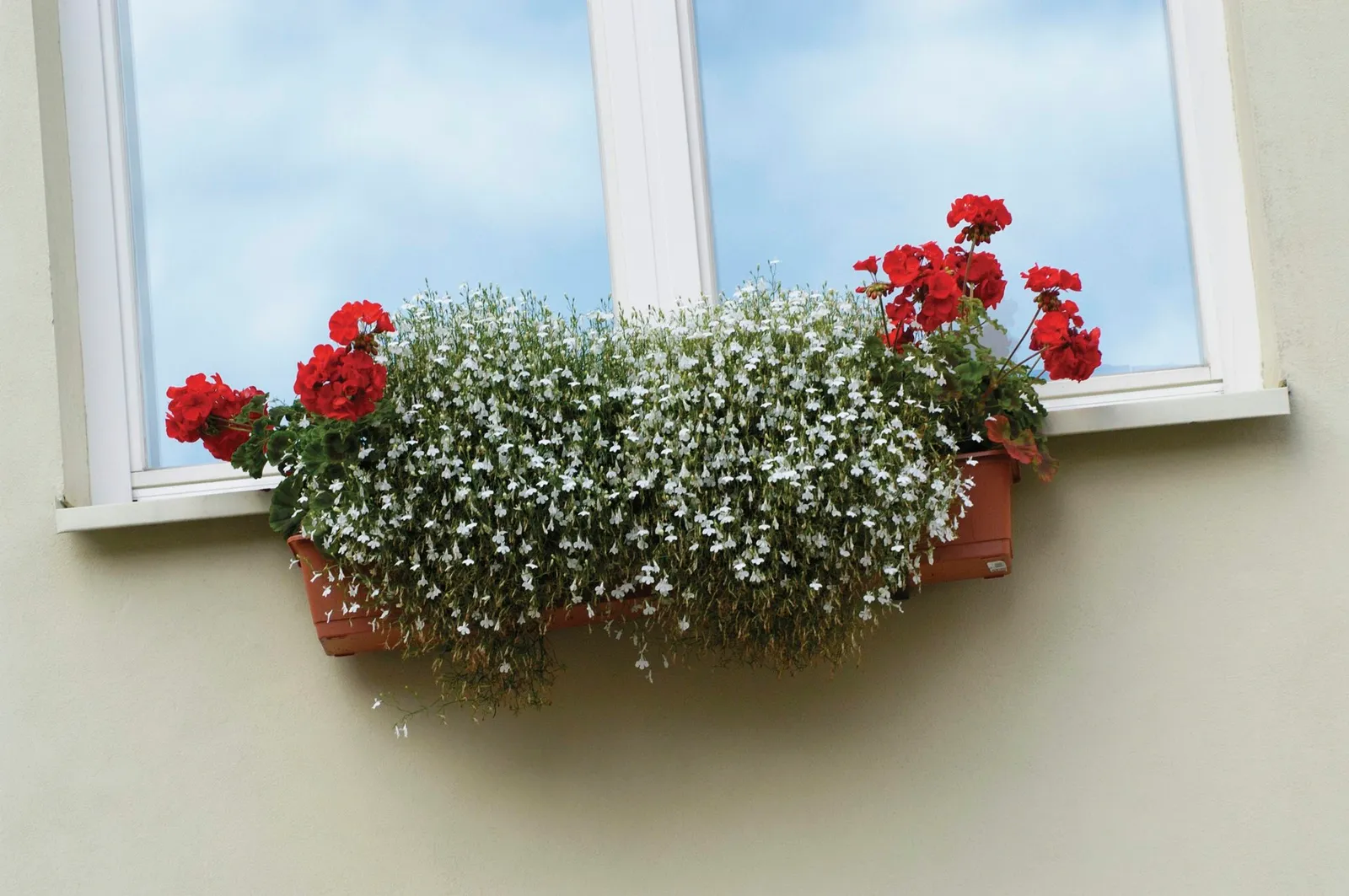
When it comes to outdoor planters, cedar wood stands out as an excellent option. Its natural oils provide defense against insects and rot, and it is a sturdy, economical material frequently harvested from sustainable sources. Yet, despite its resilience, cedar can lose its appearance over time. Even though cedar is known for its durability, consistent care is necessary to shield it from weather and other elements. By taking the proper protective steps, you can extend the life of your cedar planters beyond their inherent resistance.
Step 1
To guard against UV radiation from the sun, apply a stain to your cedar planters. If you prefer to keep the natural cedar color, you can find clear or "neutral" stains that are formulated specifically to protect without adding color. Be sure to choose a stain that includes UV inhibitors. Sun damage is a major factor in cedar turning gray and looking faded.
Step 2
When your planters are not being used, cover them up. A small tarp can prevent water from causing damage. Even more crucial, covering them will also shield the wood from further UV harm.
Step 3
Every six months, apply oil to the planter's surface. Use a natural oil like orange oil or a similar product. Oiling helps the wood retain moisture naturally and prevents it from drying out and cracking. It also brings back the wood's shine, giving it a fresh look.
Step 4
To prevent stains or discoloration, clean your cedar planters once a month. Many people think that rain will wash away dirt and debris, but in reality, a lot of grime requires thorough scrubbing to remove. Using plain water and a scrub brush will take care of most of the dirt stuck to your planter. However, sometimes you might need to add some dish soap to eliminate stubborn grime.
Step 5
Only use diluted bleach on cedar planters if you spot mold. Bleach will eliminate the mold, but it may also discolor the planter, so it should be a last resort. To dilute properly, mix one cup of bleach with one gallon of water. Put on rubber gloves to protect your hands and apply the solution with a sponge or rag. Also, apply the bleach solution to the entire planter, not just the moldy spot; if discoloration occurs, it will be less obvious if the whole planter is evenly affected. After applying, do not rinse it off; let it soak in for maximum penetration and mold removal.