A Guide to the Different Kinds of Peas
Cultivated for millennia across the Mediterranean and Middle East, the pea (Pisum sativum) belongs to the Fabaceae family alongside beans, peanuts and alfalfa. Turkey saw the first cultivation of this crop 3,000 years ago, while people in the Mediterranean and Middle East have eaten peas for at least 6,000 years. Several subspecies exist today: garden peas, snow peas, snap peas and field peas.
By Hayden Ward
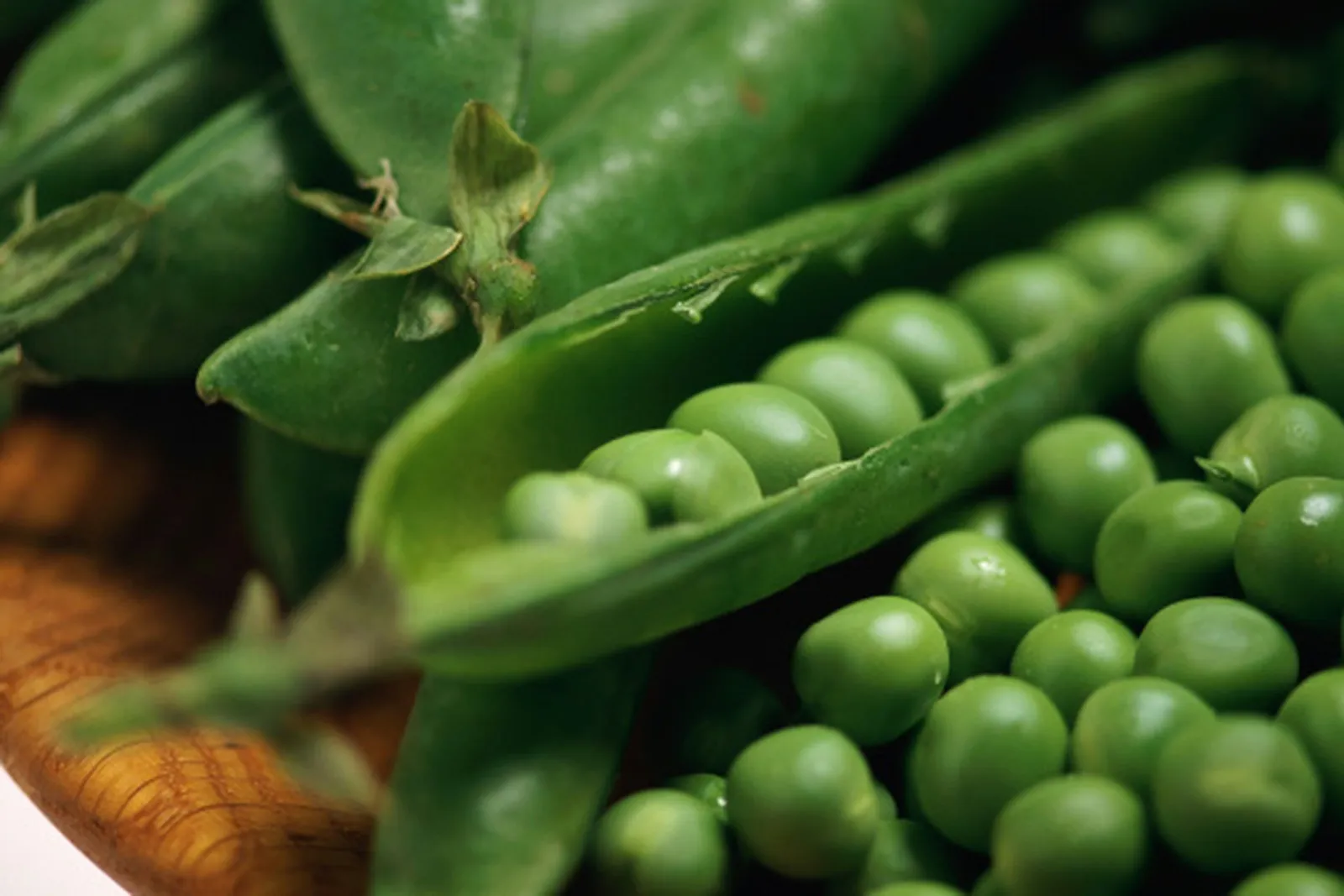
Peas, in and out of the pod
Part of the Legume family (Fabaceae), which includes beans, peanuts and alfalfa, the pea plant is known botanically as Pisum sativum. People in the Mediterranean and Middle East have eaten peas for a minimum of 6,000 years, and the crop was first cultivated in Turkey 3,000 years ago. Farmers and gardeners value these plants because they fix nitrogen into the soil, improving it for subsequent crops. Several subspecies are grown today, among them garden peas, snow peas, snap peas and field peas.
Garden Pea
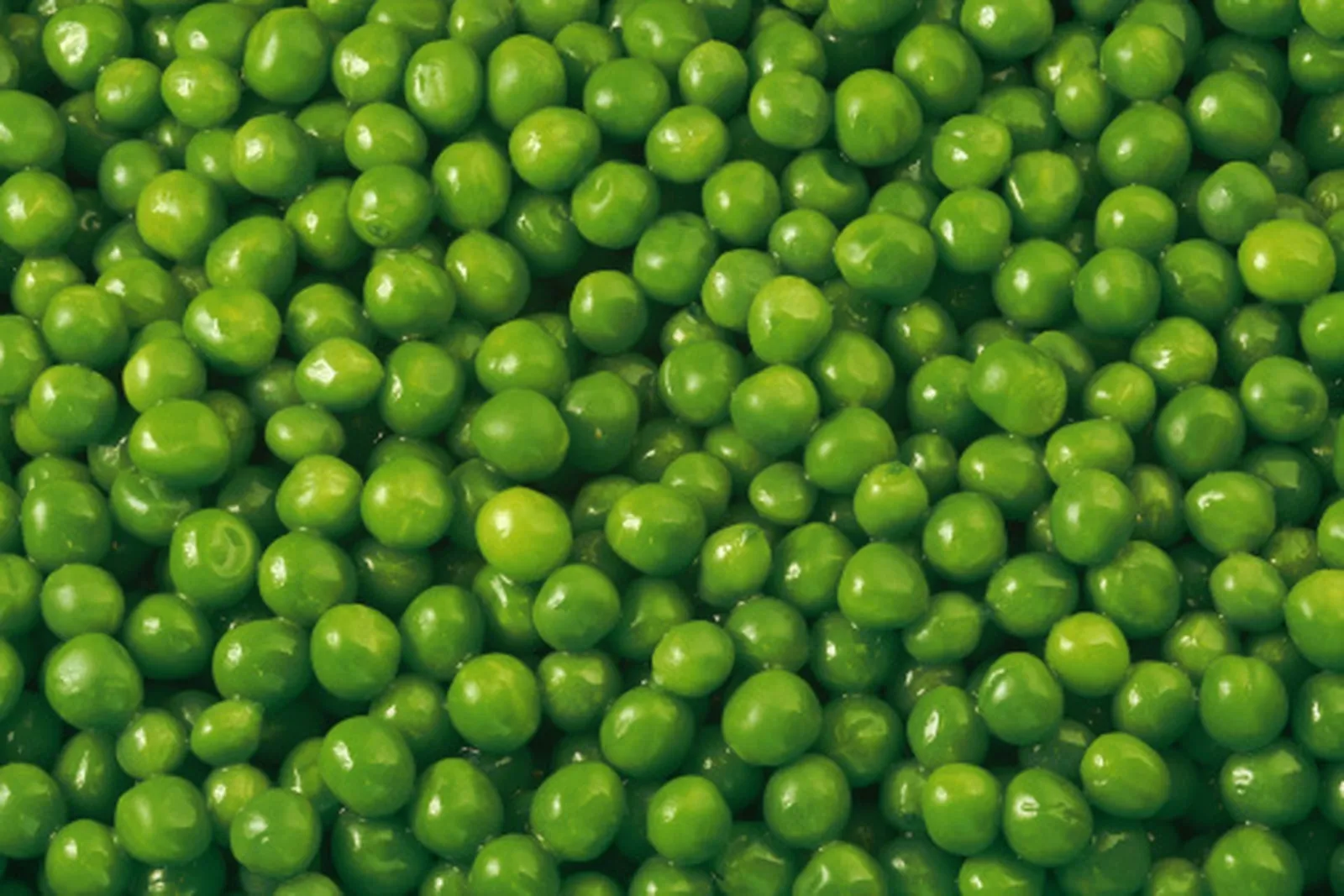
A dish of steamed garden peas
Also called English peas, garden peas (Pisum sativum var. sativum) rank as the most widespread type of pea plant. These plants grow as twining vines measuring 1 to 1.5 feet in length, and like all peas they are covered in small tendrils. Their foliage consists of bright green, elongated oval leaves, and their irregular five-petaled flowers — pink or white — develop into long green pods filled with edible seeds.
When ready for harvest, garden pea pods look swollen and rounded. Since the outer pod cannot be eaten, it has to be removed before the peas inside can be collected. The sweet flavor of garden peas fades quickly after picking, so they need to be eaten, preserved or frozen without delay.
Among the most popular garden pea cultivars are the long-vined 'Alderman', which is also known as 'Tall Telephone', the early-maturing 'Alaska', and 'Novella', which has almost no leaves.
Snow Pea
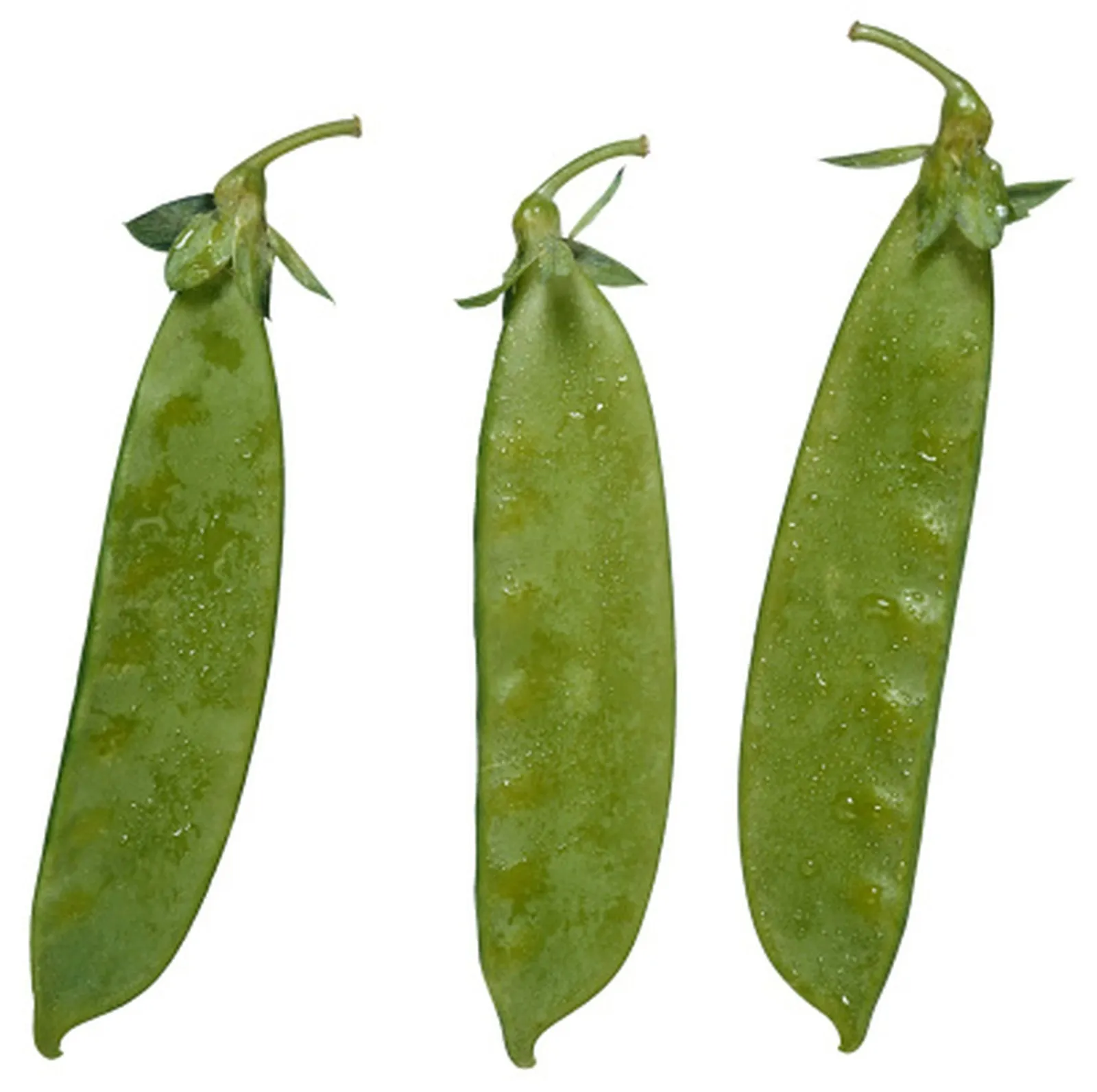
Snow pea pods
The snow pea (Pisum sativum var. macrocarpon) is another widely grown subspecies, and it also goes by the names Chinese pea or mangetout pea. Apart from the pod, a snow pea plant looks identical to a garden pea plant in every respect. The pods of snow peas are large, flat and somewhat translucent. Rather than being round and succulent like garden peas, the peas inside are inconspicuous. Snow pea pods are consumed whole — steamed, stir-fried or eaten fresh — and they feature prominently in Asian cooking. 'Mammoth Melting Sugar' is one well-liked variety, bearing sweet, firm pods that can reach 4.5 inches in length (See Reference 2) .
Snap Pea
During the 20th century, plant breeders created the snap pea by hybridizing a regular snow pea with an uncommon pea type whose tightly packed pods had thick walls. The outcome was a pea whose thick, crunchy pod can be eaten and whose interior peas are large, round and succulent. In 1979, 'Sugar Snap', the earliest snap pea variety, was named an All American Selection. In traditional Asian recipes, snap peas work as a substitute for snow peas, and they can also stand in for garden peas in any dish that calls for them.
Field Pea
Field peas (Pisum sativum var. arvense) lack the tenderness and delicacy of other pea types. Rather than being eaten fresh or lightly cooked, they are frequently dried for making split pea soup. They also serve as a nutrient-rich fodder for livestock. In some cases, farmers sow field peas among other crops purely to introduce fresh nitrogen into the soil.