How to Multiply Little Gem Magnolia Trees in Your Landscape
The Little Gem magnolia offers the classic Southern charm in a more compact form. For gardeners interested in adding this smaller magnolia, there are multiple accepted techniques for increasing its numbers, including starting from seed, grafting, or taking summer cuttings.
By Taylor Evans
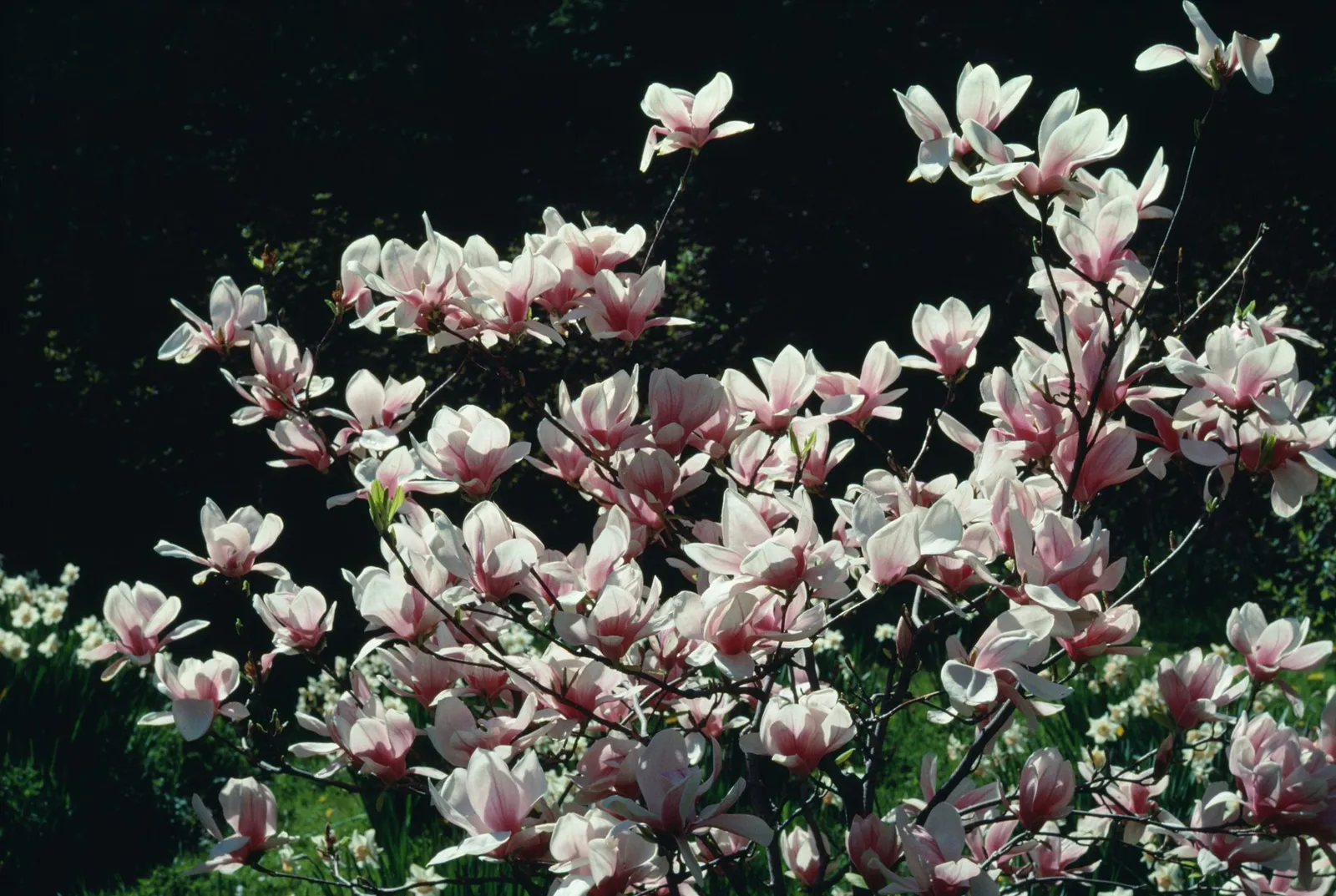
The Little Gem is among the smallest of magnolia trees.
The picture of moonlight falling on magnolias is a classic Southern garden scene. Those who admire these romantic trees but are short on space might consider the more compact Little Gem magnolia. A number of accepted techniques exist for multiplying the Little Gem magnolia. This appealing specimen can be a fine addition to a garden or landscape design.
About the Little Gem
Among magnolia cultivars, the Little Gem is the most compact, developing in a shrub-like manner and reaching a mature height of 15 to 20 feet. Even when young, the Little Gem produces flowers measuring 6 inches and leaves measuring 4 inches. Both its blossoms and foliage are smaller than those of standard magnolia types.
Cultivating the Little Gem
The Little Gem, like other magnolia cultivars, is simple to grow and shows resistance to pests. Being an evergreen, it remains an appealing tree throughout every season. Relocating the tree after it has been planted can lead to difficulties. The United States National Arboretum notes that these trees have an unusual root system made up of ropelike, unbranched roots. If the trunk is more than 4 inches in diameter, one should reconsider moving the Little Gem. Before transplanting, cut some roots on the inside of the root ball to sever a few of them. This helps the roots branch out and become established in the new site. The transplanted tree needs regular watering and mulching.
Propagation Methods
Should Little Gem trees already exist in your garden, seedlings might be found beneath the tree that can be replanted. In general, though, propagation is carried out through seed, grafting, or cuttings taken in summer. William C. Welch, a horticulture professor at Texas A & M University, advises that cuttings from full-size trees are the best propagation method because flowers may appear within a few years of propagation, whereas seedlings might not bloom for up to 20 years. When starting from seed, gather seeds right after the fruit ripens, which typically occurs in early fall. Place the fruit outdoors to dry until it splits open, a process that can take several days. To obtain the seeds, shake them out of the dried fruit.
Ideal Growing Conditions
The Little Gem magnolia thrives in a range of sites, from full sun to partial shade. It favors acidic, well-drained soil and can withstand drought. This magnolia, native to the American South, performs best in U.S. Department of Agriculture hardiness zones 7 through 9. Because grass usually will not grow beneath a magnolia, that factor should be considered when choosing a garden spot.