Wild Climbing Vines: A Closer Look at Several Common Species
Wild climbing vines are notable for their contorted stems and thick leaves, enhancing the landscape visually. They support wildlife by offering shelter through dense foliage and food sources such as pollen, nectar, and fruit. However, some vines can damage trees and shrubs by climbing high and creating excessive shade.
By Robin Young
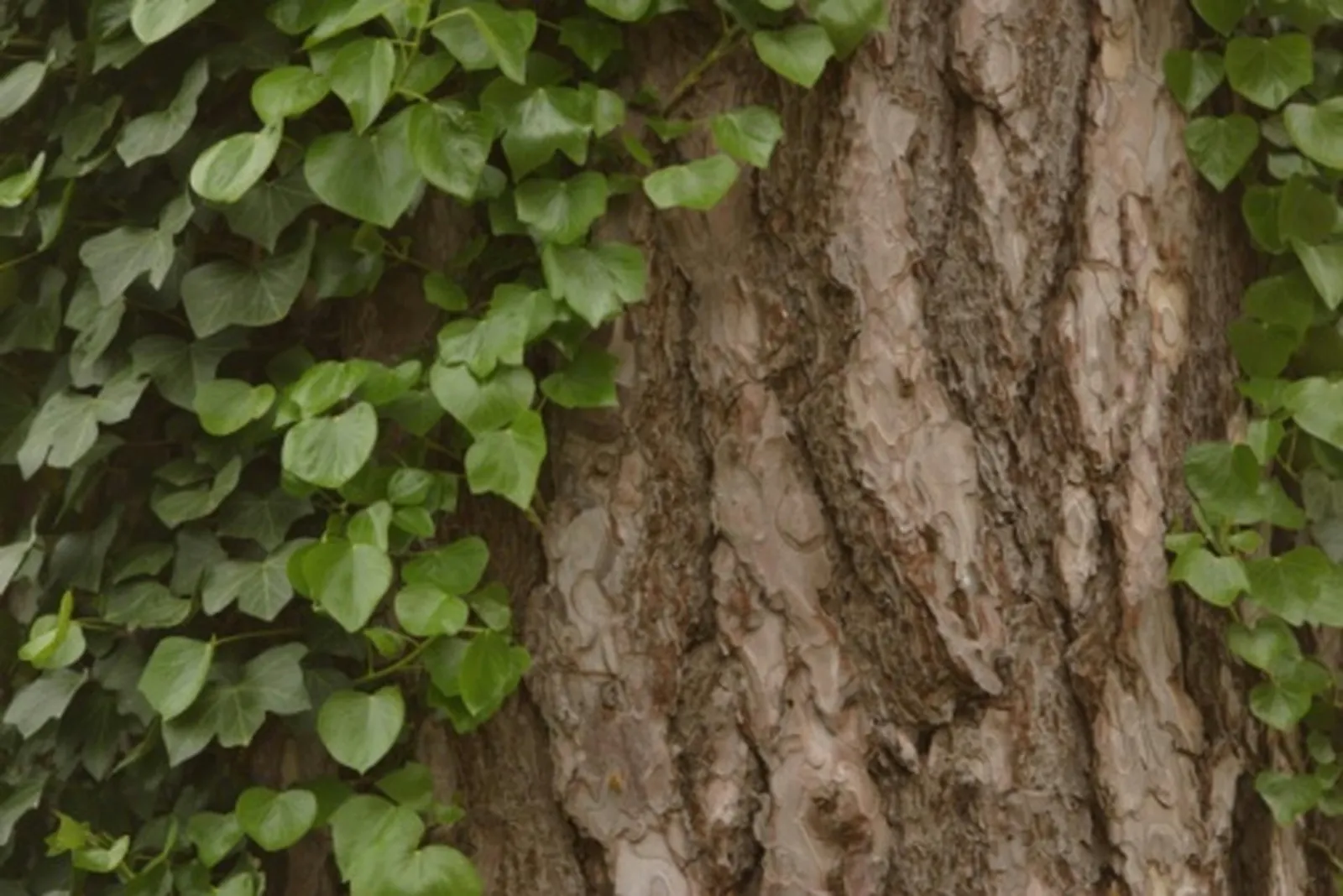
Wild vines benefit wildlife but can create problems for the host tree or shrub.
Wild climbing vines, in their many forms, bring a striking visual element to the outdoors with their winding stems and abundant leaves. They also serve wildlife: their heavy foliage offers cover, and their blossoms supply pollen and nectar that birds and butterflies consume. Certain vines produce fruit that birds and mammals eat as well. On the other hand, these vines may harm trees and shrubs when they ascend to considerable heights, casting so much shade that the supporting plants cannot endure.
Smilax rotundifolia (Common Greenbriar)
Common greenbriar, or Smilax rotundifolia, typically grows at the borders of northern forests and in open meadows. It can handle a range of growing conditions, but it does best in clay or alkaline soil, and it flourishes in both partial shade and full sun. Its woody stems produce tendrils that let it attach to trees and fences. The plant is thickly armed with black thorns and, in late autumn, carries drooping clusters of small, dark-blue berries that birds favor. Its heart-shaped green leaves shift to golden-yellow in autumn and can stay on the vine through December. The young tendrils may be prepared and eaten much like asparagus, and the leaves and young shoots are edible too. A powder made from crushed roots can be used to thicken food during cooking.
Vitaceae (Wild Grapes)
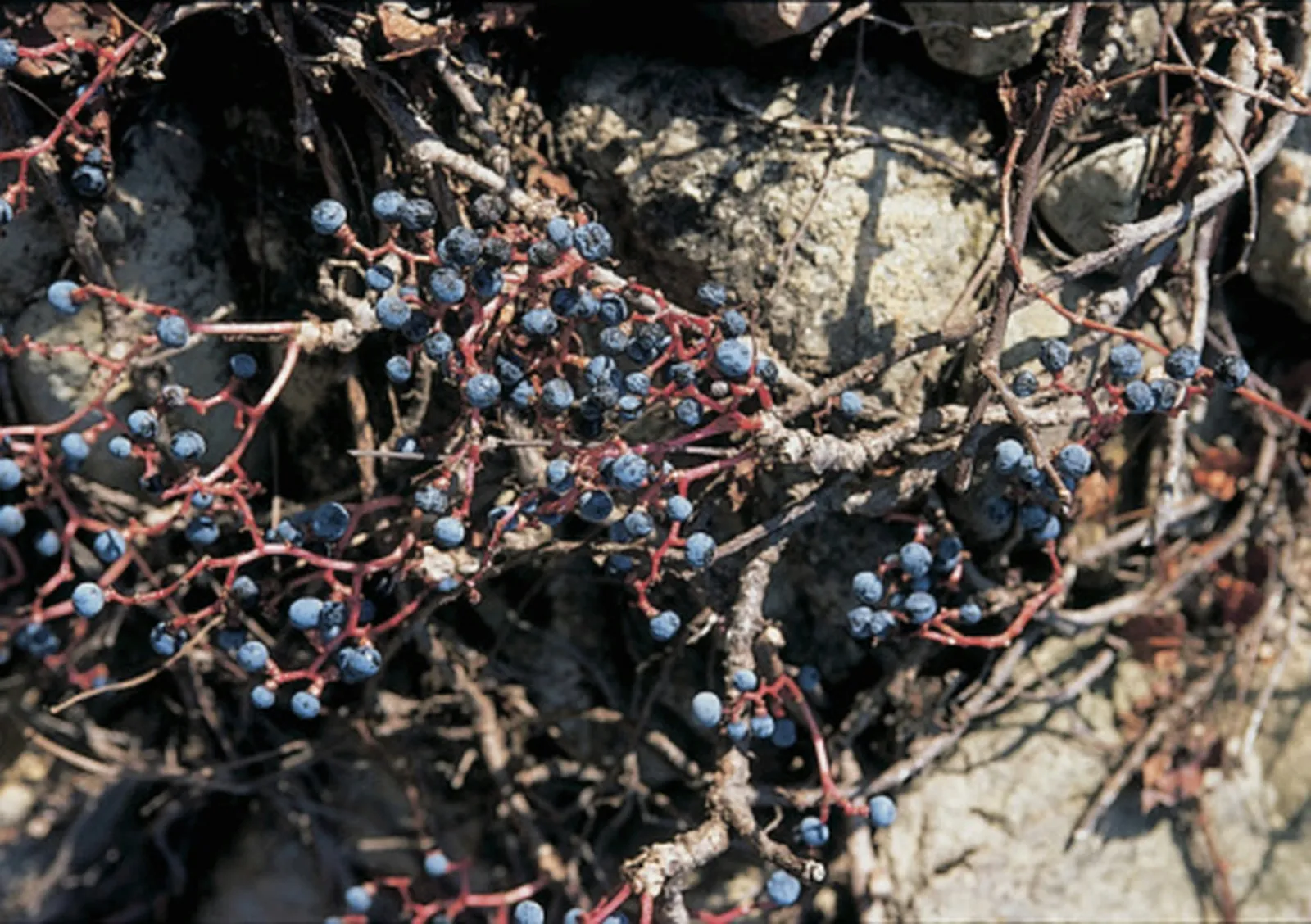
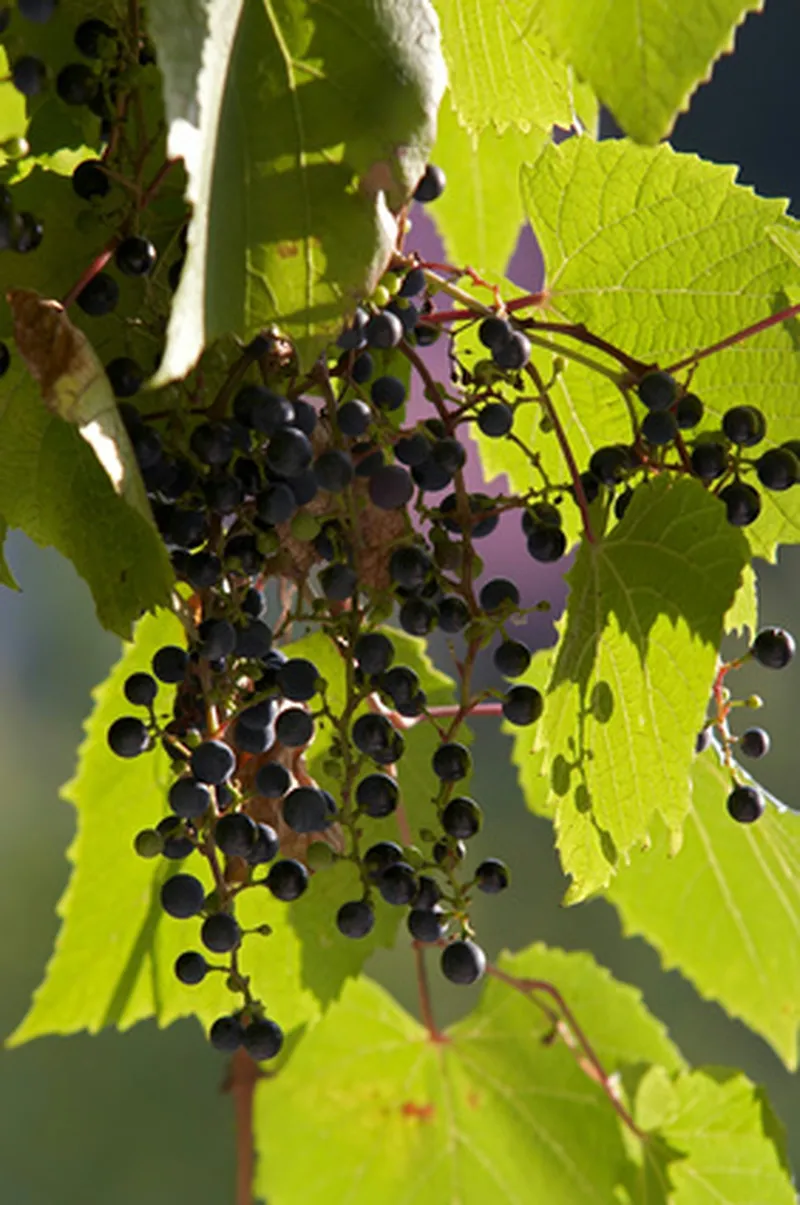
Wild grapes ripen in late autumn and are a source of food for birds.
Wild grapes, belonging to the family Vitaceae, are perennial vines that climb or trail, and they include as many as 60 species. The preferred soil varies by species: some do well in rich, moist ground, while others favor sandy, dry conditions. They grow best in full sun. These grapes are native to woodland edges in central and eastern North America. Their woody stems carry large leaves marked by prominent parallel veins. Come spring, the plant yields long, drooping clusters of light green flowers. By autumn, the vines bear small bunches of purple grapes that are edible, though less sweet than those grown commercially. Birds consume the fruit and spread the seeds.
Bignoniaceae (Trumpet Creeper)
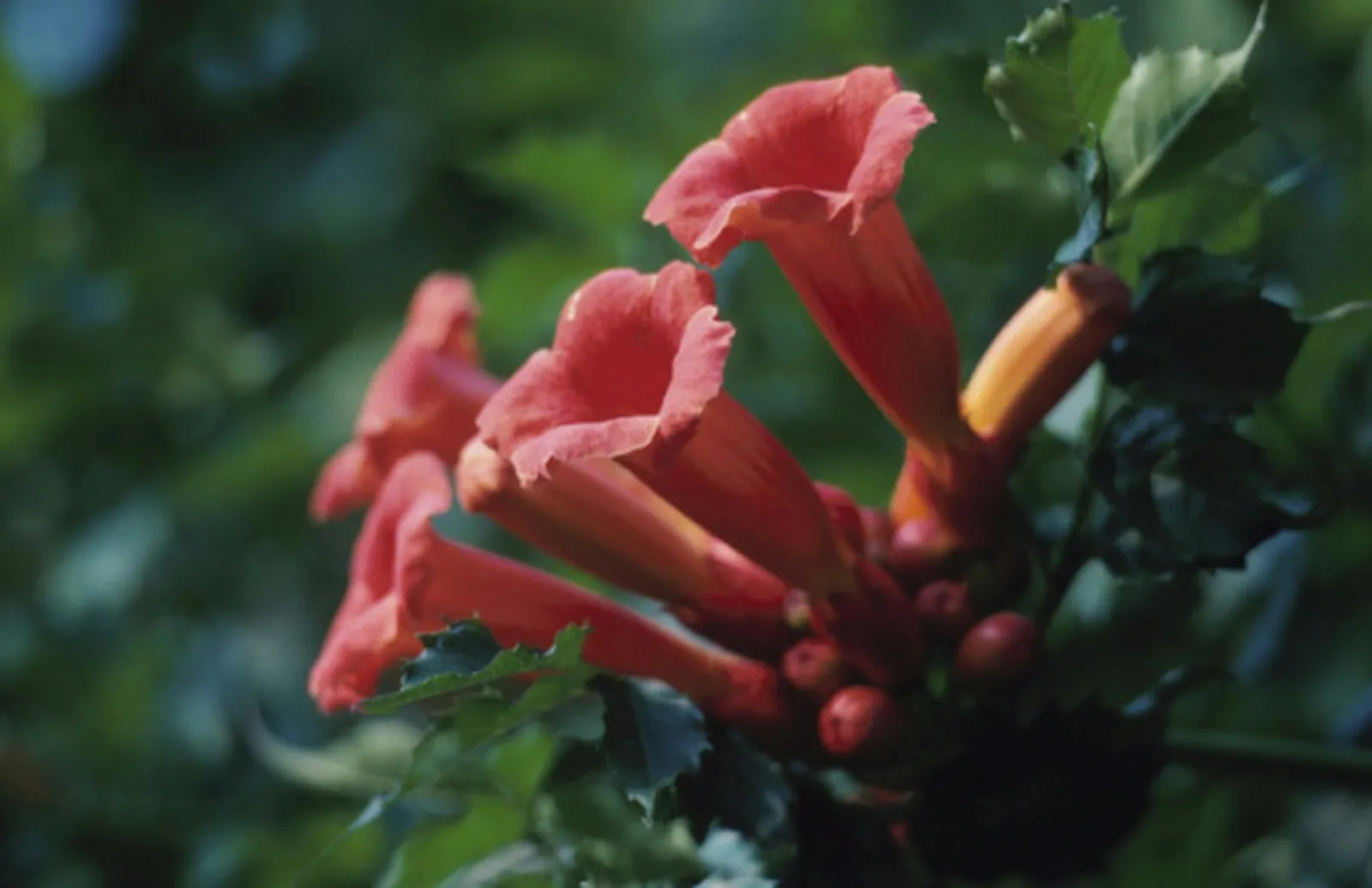
Trumpet creeper blossoms attract hummingbirds and butterflies.
Trumpet creeper, in the family Bignoniaceae, is a vigorous vine capable of growing to 40 feet in height. It originates in the southeastern U.S. and has established itself in the Great Lakes area. During July, the vine is laden with orange-red, trumpet-shaped flowers that draw butterflies and hummingbirds. Trumpet creeper, also known as trumpet vine, does well in ordinary soil and favors full sun. It is a suitable pick when a rapid-growing cover is needed for unsightly tree stumps or rocky spots. Because it can spread aggressively, give it ample space if you plant it in your garden.
Aristolochia tomentosa (Dutchman's Pipe)
Aristolochia tomentosa earns the name Dutchman's pipe from its long, curved, flared flowers that look like Dutch tobacco pipes. These distinctive blooms appear from May to June, but the vine's thick growth of large green leaves frequently hides them. The plant performs well in average soil and can take full sun to partial shade. This perennial vine can climb as high as 30 feet. Its native territory covers southeastern and south central U.S. states, although plantings have pushed its range north to New England. The carrion-like scent of the flowers draws the pipevine swallowtail butterfly.