Common Umbrella Tree Ailments and Their Management
Umbrella trees, also known as schefflera, are tropical plants valued for their distinctive fan-like leaves. They can grow to 8 feet or taller, making them impressive focal points. These trees thrive outdoors where freezing is rare and are popular as indoor plants. However, they can sometimes fall victim to various diseases.
By Jamie Mitchell
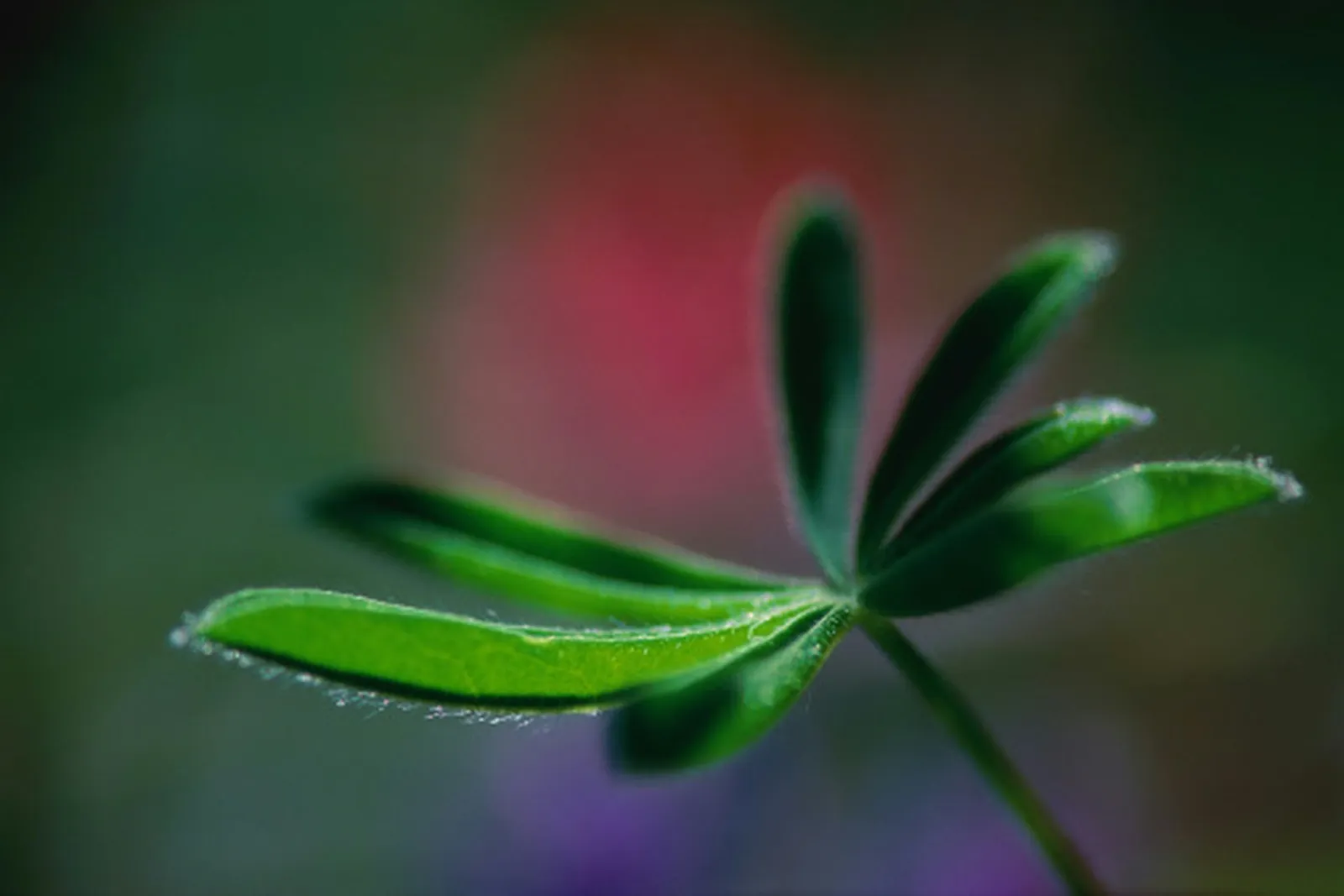
Healthy umbrella trees fight off disease.
Schefflera, commonly called the umbrella tree, is a tropical species cultivated for its striking, fan-shaped leaves. At maturity, it can reach heights of 8 feet or more, making it a notable specimen. It flourishes outdoors in regions with minimal or no frost and is a favored choice for indoor growing. From time to time, this plant can suffer from certain diseases.
Damping-Off
Damping-off, caused by Pythium splendens, frequently targets young umbrella tree seedlings and smaller plants. It produces lesions on the stem right at the soil level, leading the plant to wilt and fall over. In damp conditions, a mold-like growth might also appear on the plant. This issue is occasionally confused with insect harm or excessive watering. Once damping-off sets in, there is no remedy. Affected umbrella trees should be thrown away.
Leaf Blight
Leaf blight, a bacterial infection caused by Pseudomonas cichorii, often strikes the edges of umbrella tree leaves. Water-soaked spots develop on the leaves, then expand and turn black. This leads to heavy leaf loss and a general decline of the plant.
While bactericides are available, they are generally not effective. The best approach for leaf blight is prevention. Since the disease flourishes in wet environments, keep schefflera leaves dry. Immediately remove and discard any infected leaves to stop the disease from spreading.
Leaf Spot
Leaf spot is a fungal condition. Alternaria leaf spot, caused by Alternaria panax, produces brown to black spots on leaves and stems. In time, leaves fall off, leaving the umbrella plant with bare stems. Phytophthora leaf spot, caused by Phytophthora parasitica, first creates spots on the lower leaves nearest the ground.
Use a suitable fungicide to treat leaf spot disease. To prevent further infection, maintain dry foliage.
Oedema
Umbrella trees are prone to oedema. This disorder happens when the schefflera's roots absorb water faster than the plant can use it. The excess water results in firm tan, white, or brown blisters on the leaves. Leaves turn yellow, wilt, and drop, and the tree weakens.
To prevent oedema, grow umbrella trees in a spot with good air movement and avoid overwatering. Allow the top 2 to 3 inches of soil to dry out before watering again.
Powdery Mildew
Powdery mildew is a fungal disease that leaves a powdery white or gray coating on umbrella tree leaves. It starts as small, powdery spots that then grow larger. Powdery mildew is most prevalent in humid conditions. The infection results in stunted, misshapen leaves that yellow and fall off. The fungus draws nutrients from the plant tissue, leading to overall decline of the umbrella tree.
Apply an appropriate fungicide to treat powdery mildew on umbrella trees. Also, remove and dispose of infected leaves, and enhance air circulation around the tree.