Diagnosing an Uneven Cut: Lawn Mower Troubleshooting
Uneven mowing, sometimes called step-cutting, can result from several mechanical issues or operating mistakes. Identifying the source is straightforward when you follow a systematic check. For safety and accuracy, inspect the mower on a flat, hard surface such as a driveway, and always shut off the engine and ensure the blades have stopped spinning before you begin.
By Sam Reed
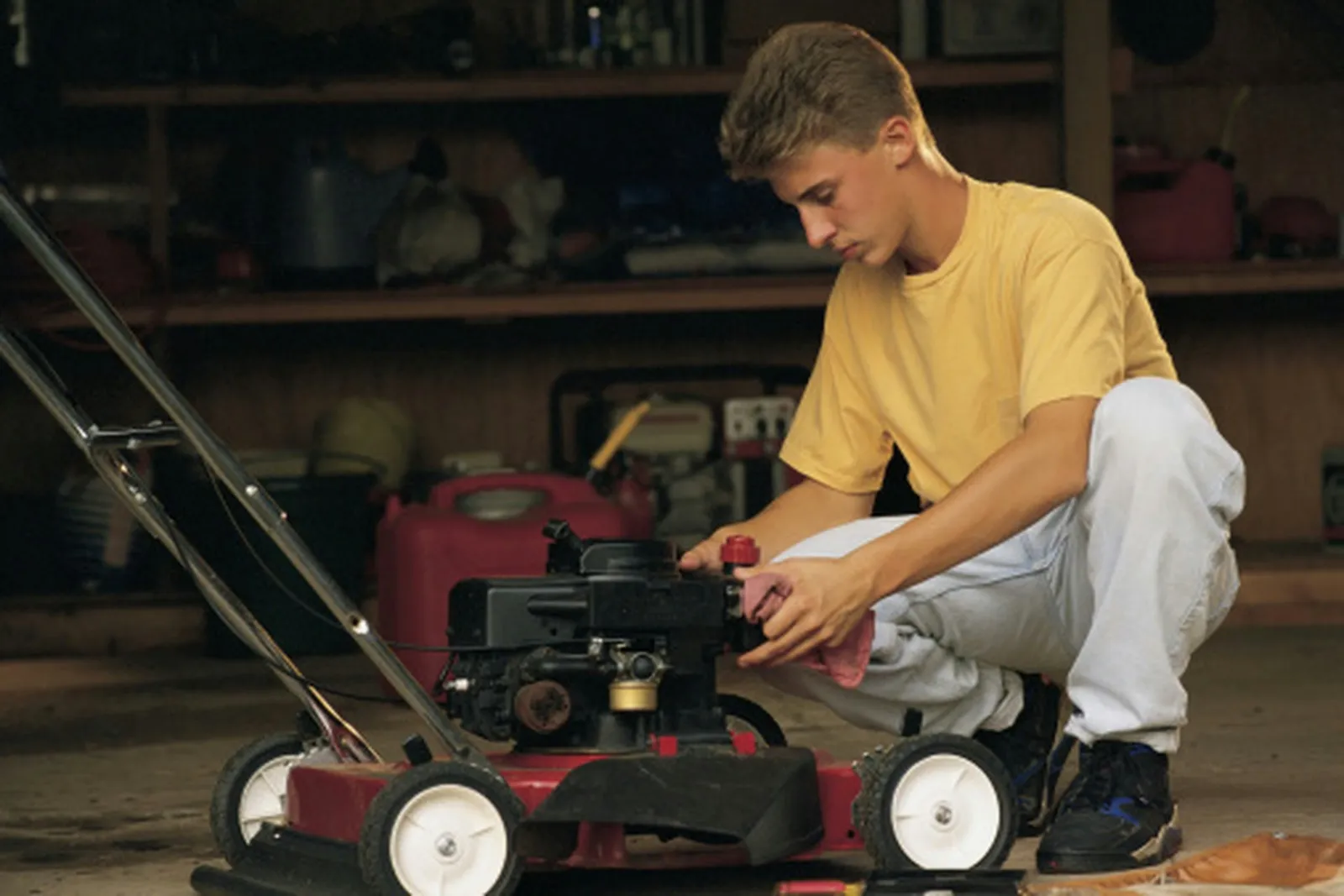
Check your lawn mower on a level surface.
Uneven mowing, sometimes referred to as step-cutting, is a frequent issue with many lawn mowers and may stem from either a mechanical fault or improper use. Diagnosing an uneven cut is not difficult once you know which areas to inspect. For safety and accuracy, inspect the mower on a flat, hard surface such as a driveway, and always shut off the engine and ensure the blades have stopped spinning before you begin.
Wheels

Begin by checking the wheels.
On many walk-behind mowers, the wheels control the cutting height, making them a logical first area to inspect. One wheel might have been set at a different height than the rest. For a riding mower with pneumatic tires, check the air pressure in each tire; a single low tire can make the mower tilt, leading to an uneven cut.
Deck
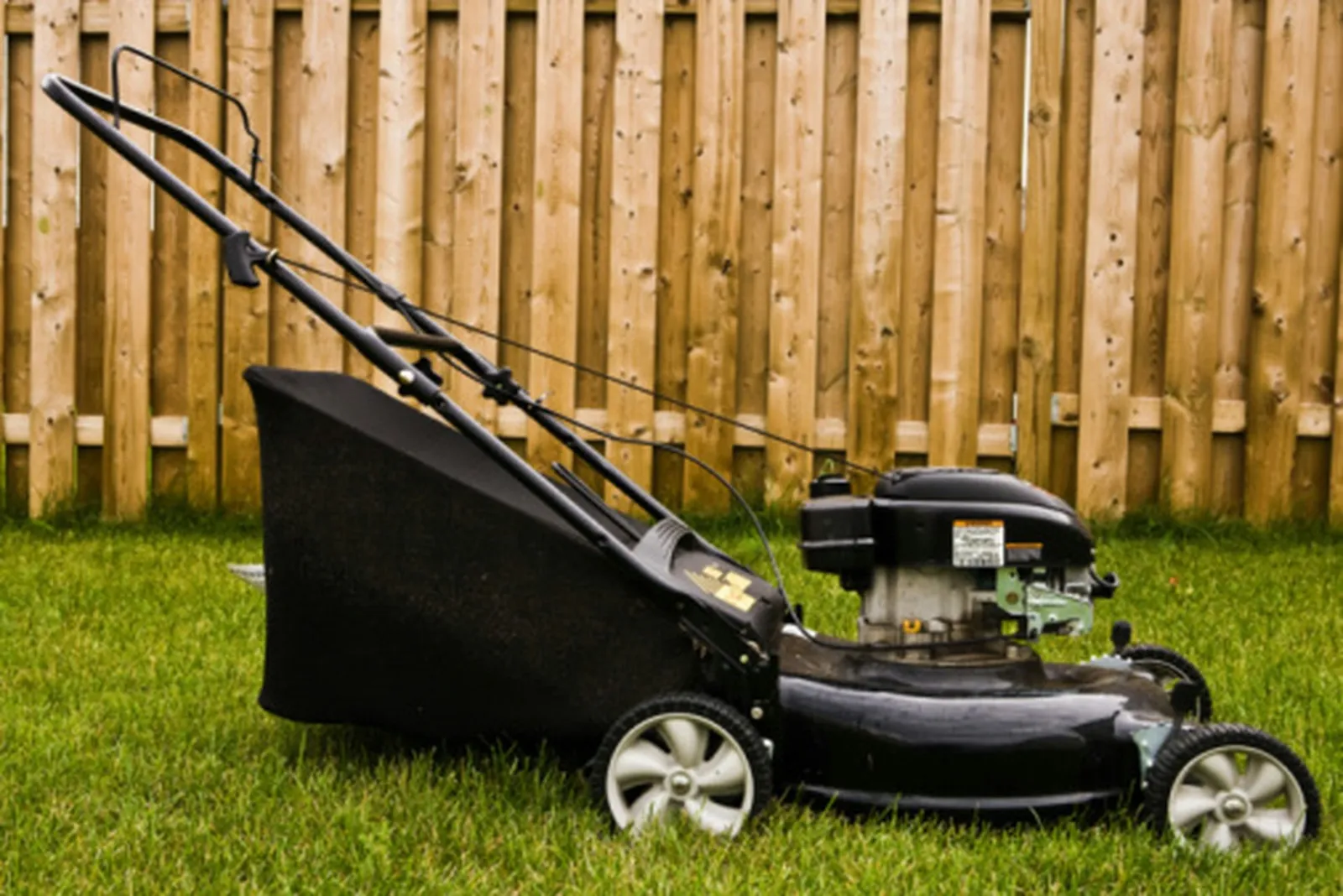
The deck is the part that houses the blade.
The deck is the housing that contains the blade. On some mowers, the blade and deck are linked, so a tilted deck can cause the blade to cut unevenly. Decks can become loose over time or bend from normal use. In rare cases, a mower may have been built with a tilted deck. Use a tape measure to compare the deck's height from the level surface on both the right and left sides. If the measurements differ significantly, a tilted deck might be the reason for uneven mowing.
Blade
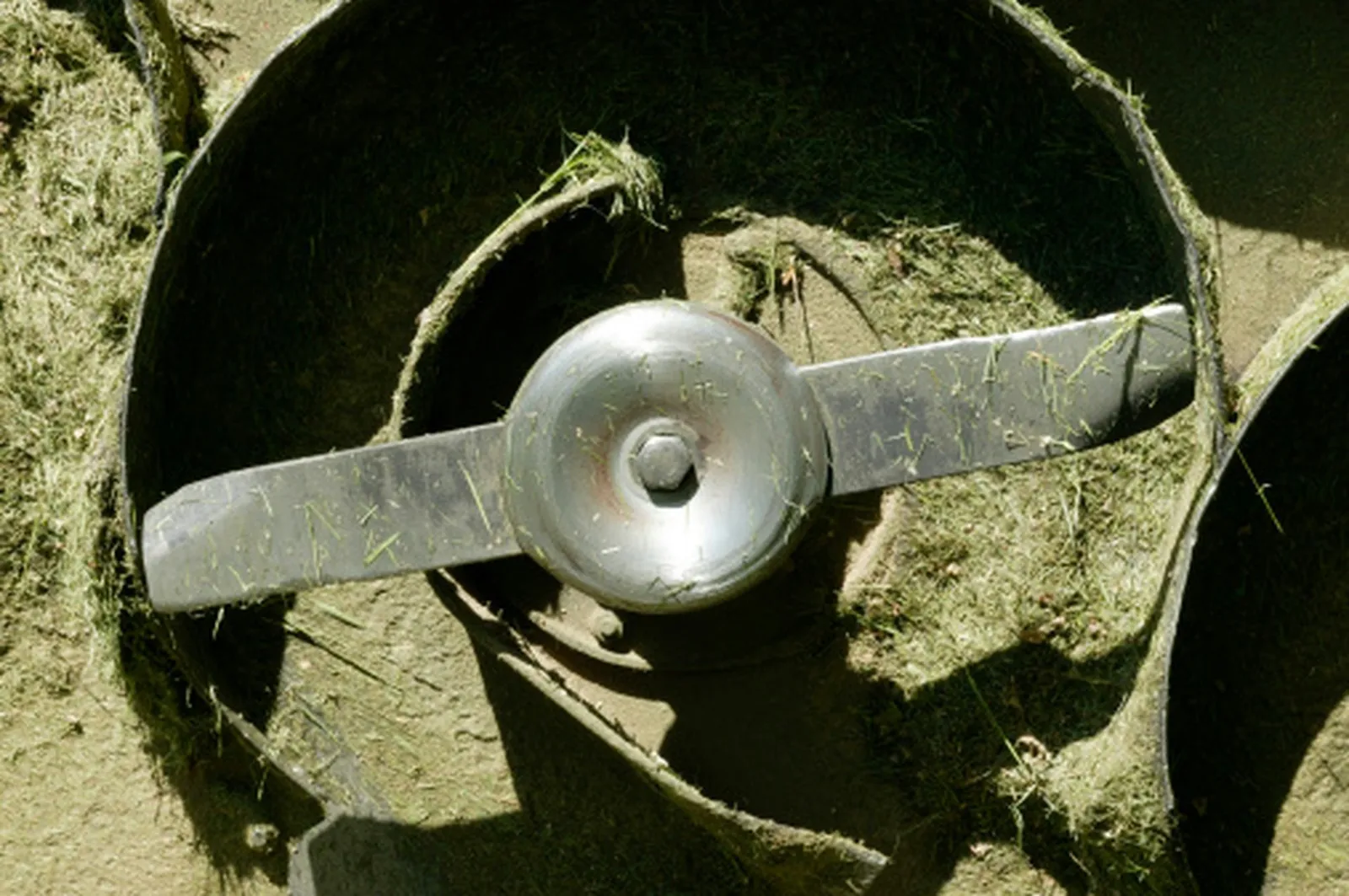
Check to see if the blade is tilted.
Most lawn mower blades cut by spinning on a shaft that is either belt-driven or attached directly to the engine. A blade that is simply bent will not cause step-cutting; instead, it will cut the entire lawn lower as it rotates. However, a tilted blade, which can result from a bent shaft or a misaligned engine, can produce an uneven cut. To check for a tilted blade, rotate it by hand until each end points directly to the left or right side of the mower. Again using a tape measure, compare the distance from the tip of each blade to the level surface. If the two sides differ, the blade is misaligned. Correcting this may require taking the mower to a local repair shop.
Other Causes

Uneven weight distribution can cause uneven cuts.
Several other factors can also lead to an uneven cut. Mowing a wet lawn or never changing the mowing direction can cause unevenness. Self-propelled mowers operated at speeds too high for the terrain may produce a poor cut. Additionally, riding mowers with uneven weight distribution could be the culprit.