Why Are My Cucumber Leaves Going White?
White cucumber foliage can stem from fungal disease, insect pests, nutrient uptake issues or environmental stress. Identifying the specific cause determines the right treatment approach.
By Hayden Ward
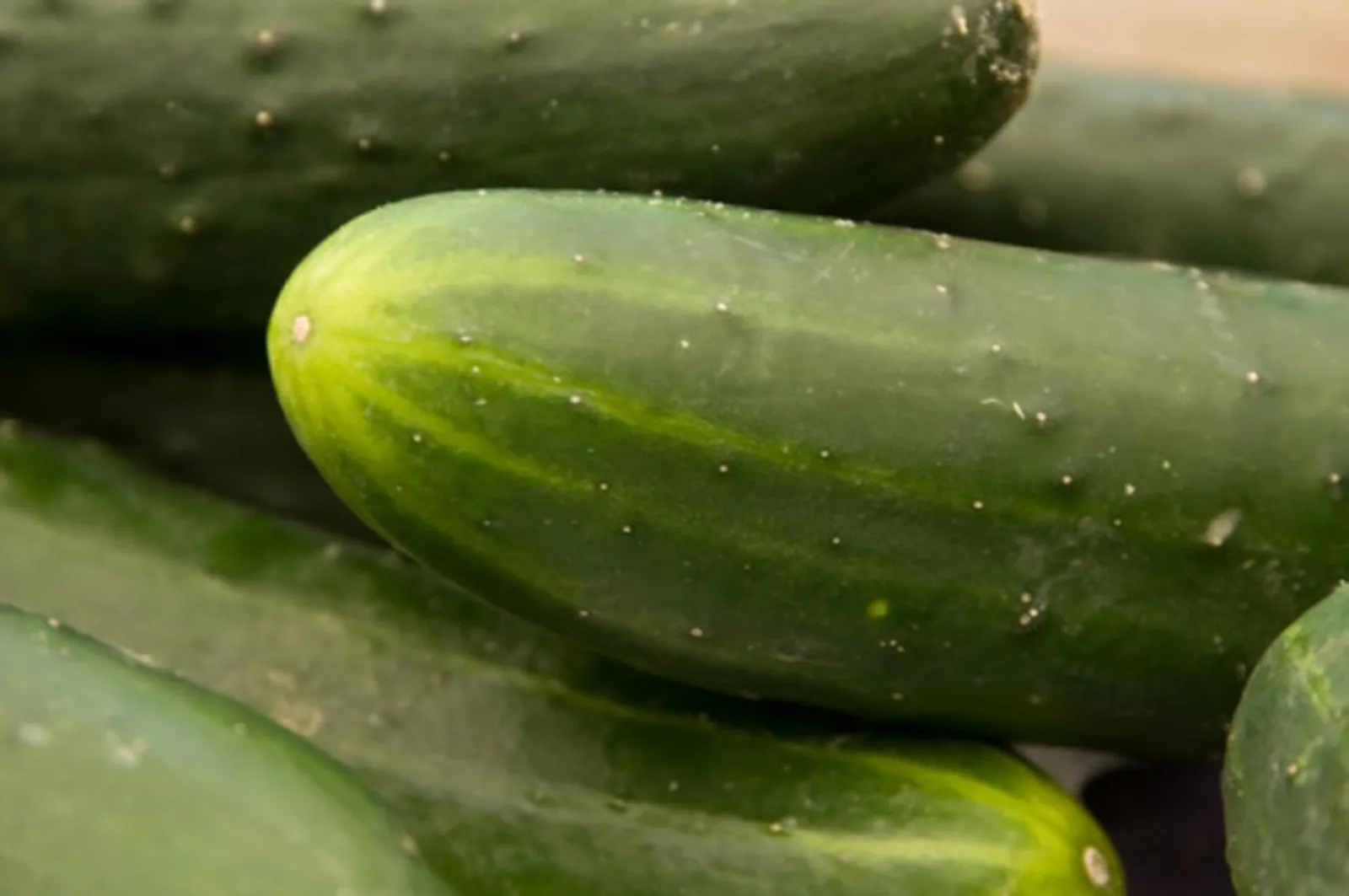
Cucumbers are susceptible to the fungal disease known as powdery mildew.
Cucumis sativus, commonly known as cucumber, is a warm-weather crop frequently served fresh in salads or preserved through pickling. These vining plants need ample space, abundant sunlight and soil that drains well. Even so, they can develop problems, and when cucumber foliage starts turning white, prompt diagnosis and treatment are important. Powdery mildew infection, leafhopper infestations and sunscald rank among the usual suspects behind this discoloration.
White Discoloration from Powdery Mildew
Powdery mildew is caused by a fungus, and its hallmark sign is a white, powdery fungal coating on the leaves. It begins as small patches that may eventually engulf the whole leaf. When the disease becomes more advanced, additional symptoms appear, including reduced fruit size and count along with an overall decline in plant vigor.
Hot, dry weather allows the disease to spread readily through the air. To reduce the chance of infection, give plants adequate spacing and keep weeds out of the garden. Staking crowded vines is an option worth considering, since it improves air movement around the foliage. Planting cucumbers where they receive full sun also matters, because shade tends to raise disease risk.
Overfertilization is another contributor to powdery mildew development. A soil test can reveal what fertilizer your plants actually require. Where powdery mildew has previously been an issue in the garden, a fungicide application may help prevent it from returning. Choose a product labeled for vegetables such as cucumbers, and adhere to every instruction and warning on the label.
Insect Damage on Cucumber Plants
Leafhoppers represent another possible reason for cucumber leaves turning white. Damage from these insects usually does not make leaves completely white; instead, foliage takes on a yellow appearance with white stippling. Defoliation can occur, and the infestation may reduce both the quantity and quality of the fruit.
Beyond noticing the damage itself, you can spot leafhoppers on the undersides of leaves. They are tiny and light green, making them easy to overlook unless you are actively searching. A significant infestation is generally required before the plant suffers serious harm.
Proper care and irrigation help keep plants healthy, and removing dead plant debris eliminates places where pests reproduce. Row covers offer some protection, but they need to come off before the cucumber plant flowers so pollination can occur and fruit can form.
Growing Conditions and Plant Health
Certain cultivation-related issues can also lead to color changes in cucumber plants. Iron chlorosis generally shows up as yellowing foliage. When the condition is severe, leaves can become a very pale yellow or even look white. Rather than a shortage of iron in the soil, this deficiency usually results from elevated soil pH that blocks roots from taking up the iron.
Should iron chlorosis be suspected, a soil test can guide amendments that bring pH into the proper range. Testing every three years before planting is the ideal approach.
Leaf scorch can develop when conditions are hot, windy and dry, causing leaves to become pale, yellow or brown. Avoid letting the plant suffer water stress, and leave damaged leaves in place, because removing them can expose the fruit underneath to photooxidative sunscald. Fruit areas affected by sunscald turn white. If the cucumber is ripe, the unaffected portions remain safe to eat; if not, the whole fruit should be thrown away.