Removing Lacquer Before Applying Wood Stain
A lacquer finish acts as a barrier that stops stain from penetrating wood, causing the stain to pool and run off instead. To stain a piece that has been lacquered, the existing finish and stain must be stripped away, the surface cleaned, and the wood refinished from scratch.
By Reese Brooks
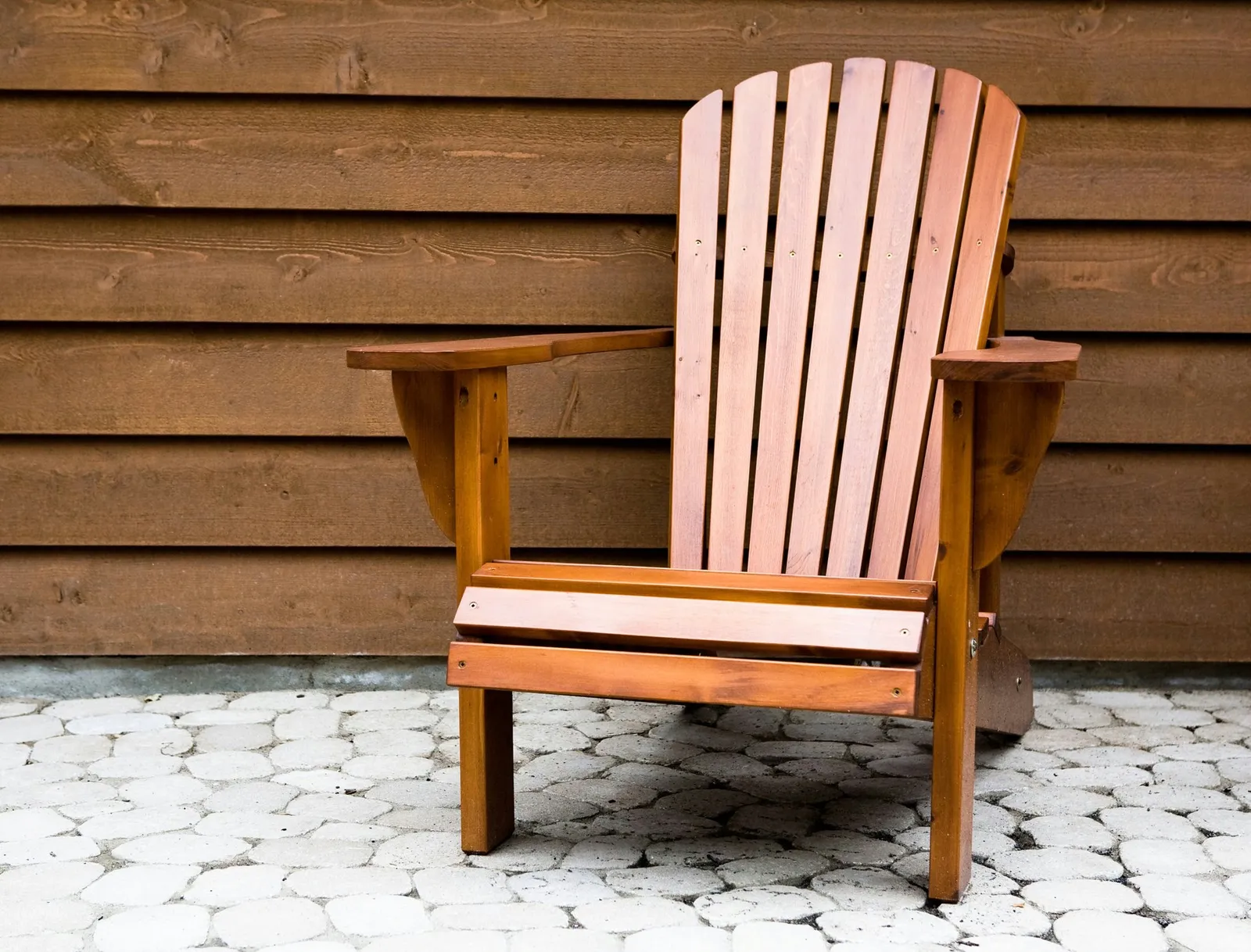
Strip lacquer before restaining.
Much like other protective topcoats such as varnish or polyurethane, a layer of lacquer keeps stain from soaking into the wood beneath it. Applying stain on top of a lacquered surface typically results in the stain beading up and running off rather than penetrating. If the goal is to stain a lacquered piece of wood furniture, the lacquer has to be removed from the surface and the piece refinished in full.
Setting Up the Work Area
Because the chemicals involved in this process are hazardous, open every window in the workspace before starting so air can circulate properly. Toxic fumes are released by stains, lacquers, polyurethane, stain strippers and paint strippers. Cover or tape off any surfaces you want to keep free of strippers and stains. When possible, place a drop cloth beneath the work area.
Taking Off the Lacquer and Stain
Numerous formulations of varnish and lacquer removers exist, and these products strip away not only a protective topcoat but also a portion of the stain. Spread stain stripper right onto the wood surface and leave it in place for a few minutes; how long you wait depends on the specific product. The lacquer and stain begin to bubble and peel. Remove the lacquer and stain by scraping the surface with a putty knife or paint scraper. For vertical surfaces, choose a gel-based product to reduce spillage. After most of the lacquer is gone, sand the surface -- by hand or using a power sander -- until you reach bare, unstained wood.
Cleaning Off the Surface
After stripping, residual chemicals, lacquer and stain will most likely remain on the wood. Because the stripper's chemicals have already broken down the lacquer and stain, a rag or soft-bristled scrub brush paired with a solution of 1 cup tri-sodium phosphate and 4 gallons of water can clear it all away. Scrub the whole wood surface and let it dry fully. Depending on how large your project is, use more or less of the solution while keeping the same ratio.
Reapplying Stain and Sealing
With the wood now reduced to a clean slate, you can apply the stain of your choice. Brush, roll or wipe the stain across the surface. Work in small sections and use a clean cloth to wipe up any stain that pools on top. Continue wiping until the rag no longer picks up stain from the wood. Once the stain's appearance satisfies you, let it dry and then add a protective topcoat such as lacquer, varnish or polyurethane.