How to Apply a Whitewash Finish to Wood Paneling
A whitewash finish gives wood paneling a translucent white appearance while preserving the natural grain. It is suitable for tongue-and-groove walls, and the application itself is straightforward, though it tends to be messy, making thorough preparation essential.
By Reese Brooks8 steps
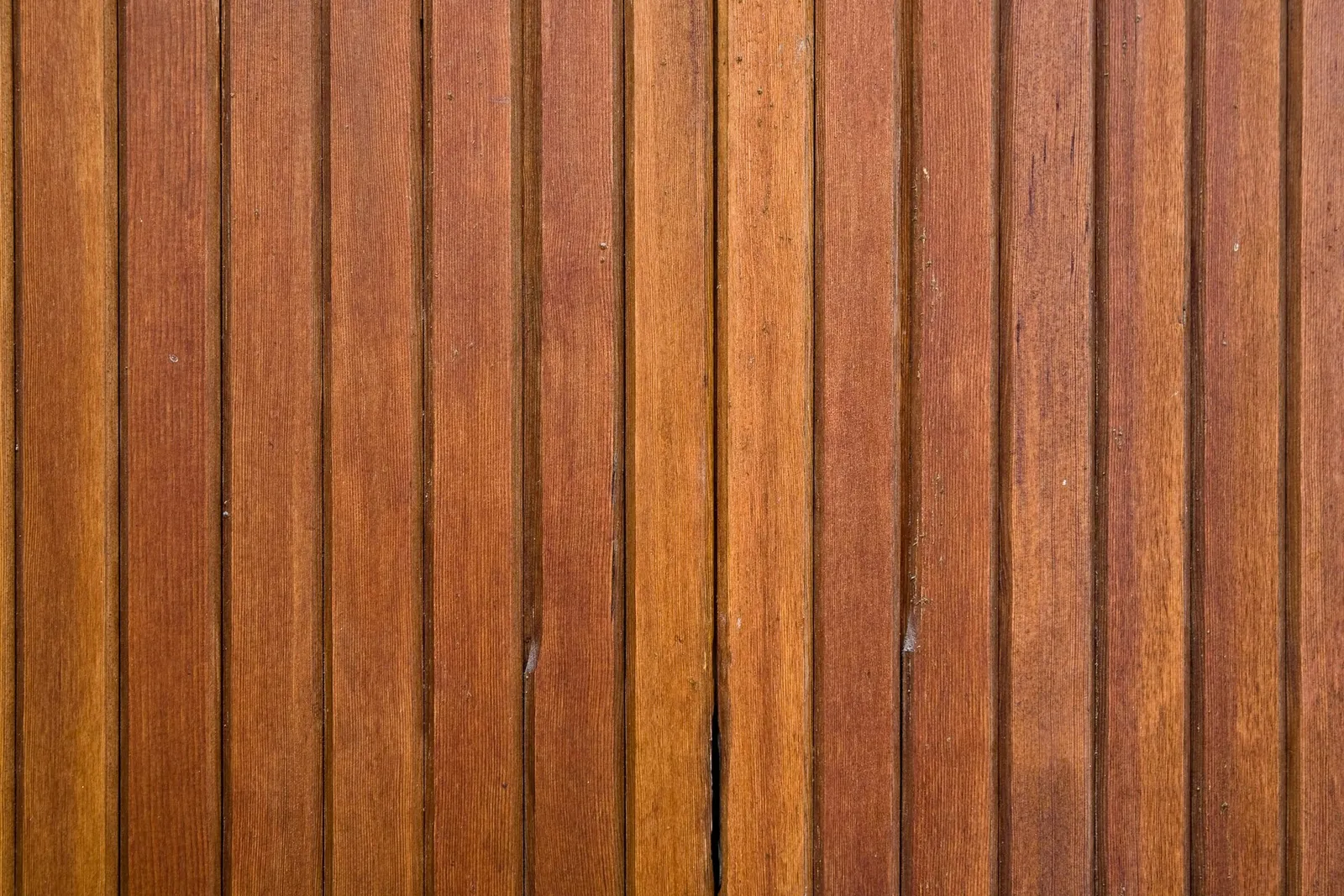
Whitewash wood for a fresh look.
A whitewash is made by applying a very thin coat of white paint to wood, producing a semi-transparent stain effect. This method is well suited to tongue-and-groove paneling on a wall because it leaves the wood grain visible. Applying a whitewash is not difficult, but the job can become messy, so setting up the workspace properly is important.
Step 1
Cover the floor of the room containing the paneling with tarps. Use painter's tape along the tarp edges so the tarps stay in place while you walk on them.
Step 2
Load a palm sander with 150-grit sandpaper, then put on safety glasses and a dust mask. Plug in the sander and switch it on. Pass the sander over the entire wood surface, aiming only to give it a slightly rough texture.
Step 3
Remove all wood dust by wiping the walls with a tack cloth.
Step 4
Pour a gallon of white, oil-based, semi-gloss enamel paint into a 5-gallon bucket. Stir in 1 pint of mineral spirits until the mixture is fully blended.
Step 5
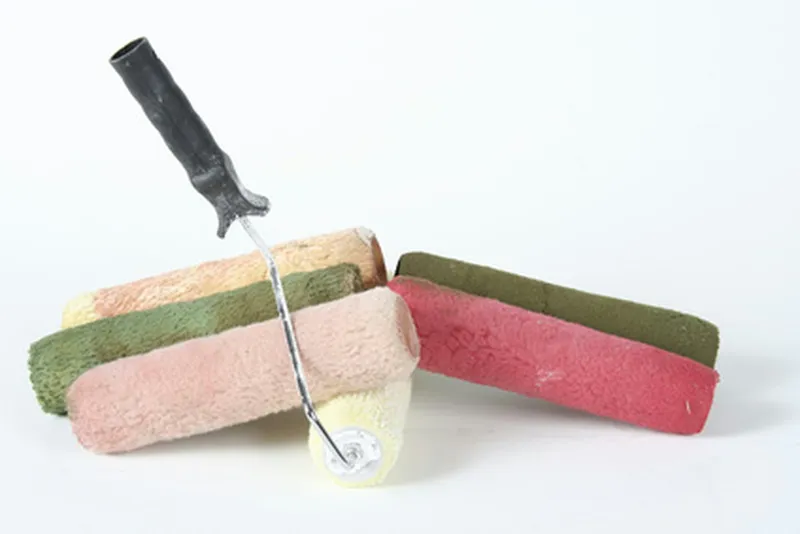
Transfer some of the paint mixture to a paint tray. Fit a 1/8-inch nap roller cover onto a paint roller and roll it in the tray until it is saturated. Apply the paint to the wall using long strokes until the wood is completely covered.
Step 6
Use a paintbrush dipped in the thinned paint mixture to touch up any spots missed in corners or along the baseboard.
Step 7
After waiting three to five minutes, put on disposable gloves. Starting at the top of the wall, draw a cloth gently downward to the floor to take off some of the paint. Repeat this over the whole wall surface.
Step 8
Check whether the whitewash looks too light. If it does, apply a second coat the same way. If the whitewash looks too thick, wipe it again right away with a clean cloth.