Removing Trapped Air from Hydronic Baseboard Heaters
Hydronic baseboard heating ranks among the most widely installed home heating options. It delivers good efficiency, needs little upkeep, and costs relatively little to operate. Air accumulation inside the loop is a recurring issue that calls for periodic attention, since it produces banging sounds and reduces heating performance. Homeowners can handle this task themselves without hiring a professional.
By Quinn White5 steps
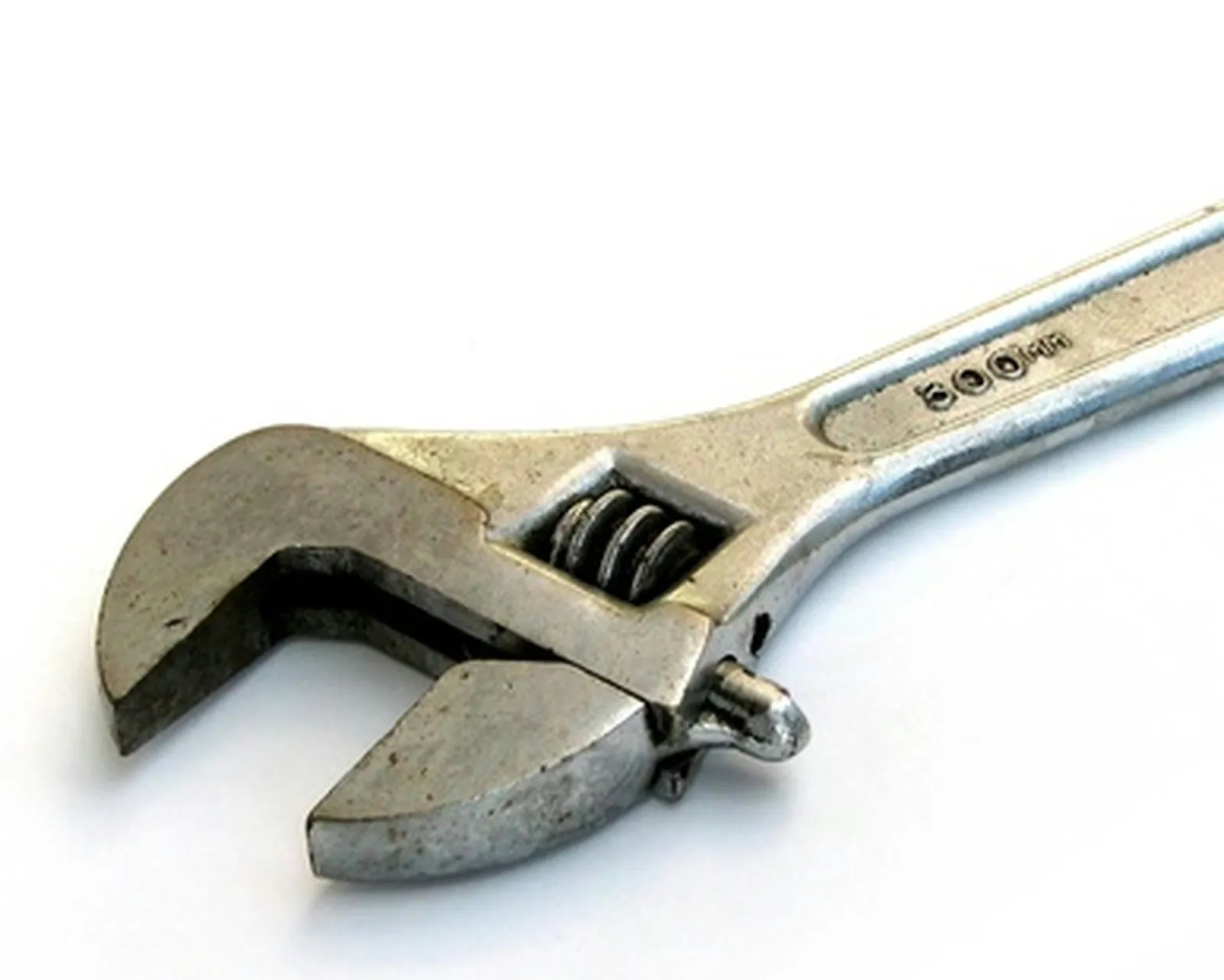
A wrench is the only tool you'll need to bleed a baseboard heater of air.
Hydronic baseboard heating ranks among the most widely installed home heating options. It delivers good efficiency, needs little upkeep, and costs relatively little to operate. Air accumulation inside the loop is a recurring issue that calls for periodic attention, since it produces banging sounds and reduces heating performance. This task does not call for a plumber — a do-it-yourselfer can complete it in a single weekend afternoon.
Step 1
Set the thermostat to 75 degrees and let the system run for a minimum of one hour. That gives the water enough time to move fully through the loop. Fall is a good time for this project, because you can still crack a few windows to let excess heat escape the house.
Step 2
Shut the heat off, then head to the basement or utility closet and find the main tank. With the water draining back into the central tank, gravity takes over the work of pushing air out of the loop. A bleed valve sits at the tank's base. It resembles an ordinary hose connection.
Step 3
Push a rag a few inches into the valve to absorb drips, or just set a bucket under the valve. The sinking water forces most of the trapped air into the lower pipes, but some moisture will likely still exit through the valve.
Step 4
Open the valve by turning it to the left. Because the air and any water released will be hot, use a wrench on the valve and wrap your hand in a rag as a safeguard. Air will start hissing out. Keep the valve open until water flows out in a steady stream, which tells you the system is free of air.
Step 5
Use the wrench to shut the bleed valve, then mop up any water that spilled.