Removing a Stubborn Nut from Plumbing: A Step-by-Step Approach
A nut on a plumbing fixture may come off with just a wrench, but it can also be firmly stuck due to past over-tightening or the accumulation of calcium, rust, or lime around it. The right tools combined with some persistent effort typically get the job done.
By Blake Murphy5 steps
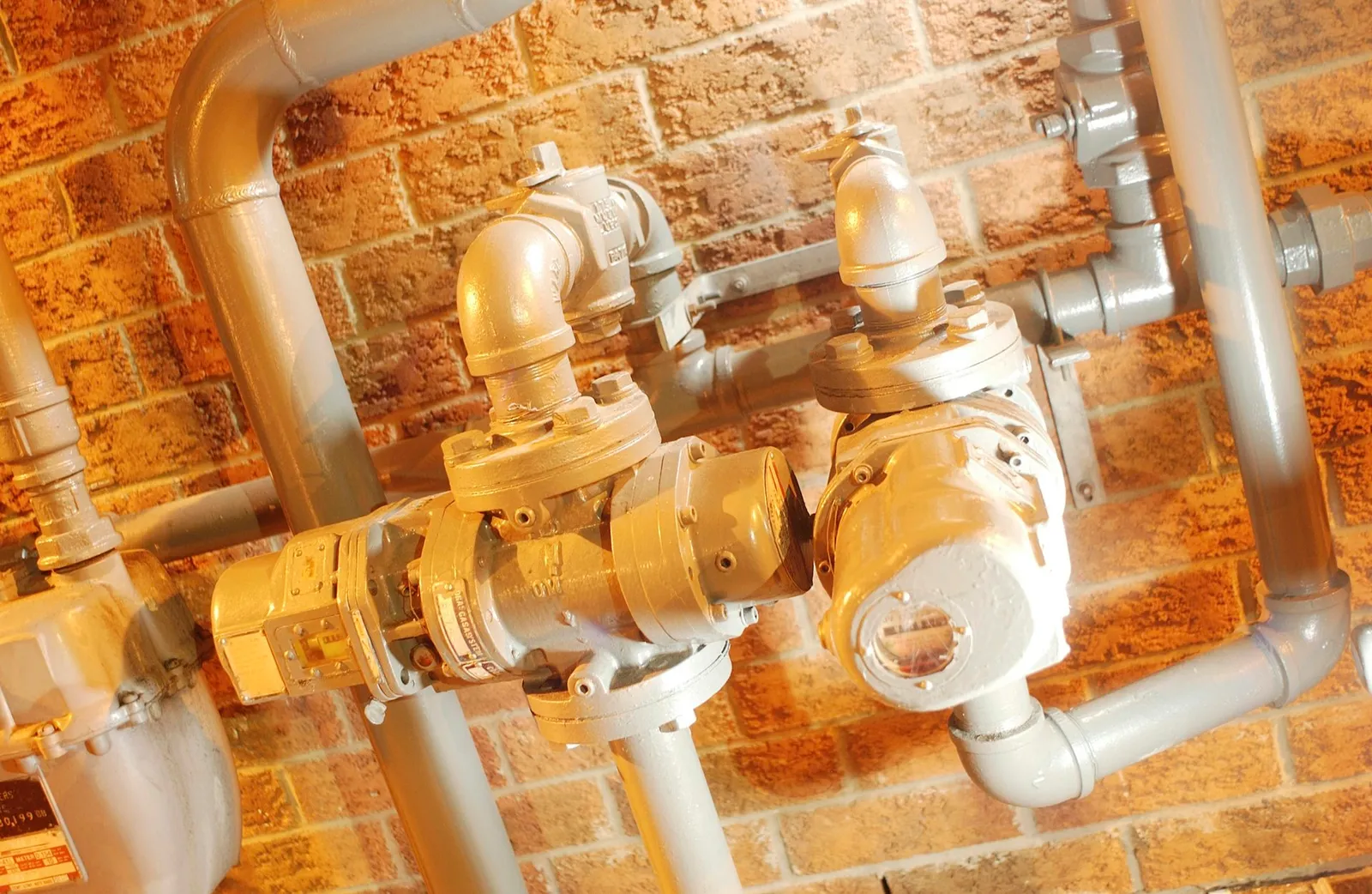
A nut on a plumbing fixture might be removed without much trouble using a wrench, or it might be firmly lodged and hard to budge. Over-tightening in the past, or a buildup of calcium, rust, or lime around the nut, can cause it to stick. In either situation, some persistent effort along with the proper tools usually does the trick.
Step 1
Pour white vinegar over the area to dissolve mineral deposits, then scrub with a wire brush until they break loose. Afterward, rinse the area and let it dry.
Step 2
Try turning the nut counter-clockwise with a wrench to see whether it frees up without resistance. Should it not, turn the wrench the other way to tighten. This may sound counterintuitive, but if the nut can be moved at all—even in the opposite direction—it is more likely to come loose when turned the right way, counter-clockwise.
Step 3
Place a center punch against the nut and strike it with a hammer, being careful not to hit the nearby plumbing. Then attempt to loosen it with the wrench.
Step 4
Position a hair dryer or another heat source, such as a propane tank, close to the nut. The metal will expand from the heat, which makes removal with a wrench easier.
Step 5
Apply a stream of lubricating oil to the nut and let it sit for a few hours. Repeat this every four hours throughout the day, then loosen with the wrench.