Restoring a Fiberglass Boat Deck with Soft Spots
A soft spot on a boat deck is often a sign of a larger issue that will worsen if not addressed. Repairing it involves cutting out the damaged area and rebuilding it with fiberglass and resin to match the original.
By Charlie Scott6 steps

A small soft spot on a boat deck might seem like a minor issue, but it actually points to a deeper problem that will expand if left untreated. Fixing a soft spot in a fiberglass deck is a two-part endeavor: it involves both the aggressive use of reciprocating saws and grinders to cut into the boat, and the careful, precise blending of chemicals, cutting of materials, and application to the damaged area to create a repair that looks nearly identical to the original.
Step 1
Use the handle of a screwdriver to tap around the soft spot—a sharp sound indicates solid material, while a hollow thud means weakness. Use a grease pencil to mark the weak areas surrounding the soft spot, and make sure to include them within the boundary of the hole you will cut. After identifying all weak spots and soft areas, drill a hole with a 1-inch hole saw so you can insert the tip of a reciprocating saw. Then use the saw to cut out the soft spot and weak areas from the boat.
Step 2
Clean the inside surface around the cut-out area with a dewaxing agent like acetone. The treated area should extend outward from the hole by 12 inches for every inch of deck thickness. Using a hand grinder, create a 12-to-1 slope on the inside surface of the cut-out area, meaning for each inch of deck thickness, there should be 12 inches of slope.
Step 3
Apply automotive paste wax to the surface around the outside of the hole. Cut a piece of countertop material that is one foot longer and wider than the hole, and apply paste wax to one side. Spray the waxed side with mold-release spray (polyvinyl alcohol), then use duct tape to secure it over the hole with the waxed side facing the deck.
Step 4
Pre-cut the fiberglass mat and cloth you will use to fill the hole with scissors. Don Casey, a boating expert for the Boat Owners Association of the United States, suggests starting with "two layers of 1 1/2-ounce mat," then alternating the mat with 6-ounce fiberglass cloth. You will need one layer of fiberglass for every 1/32-inch of deck thickness, and each layer of fiberglass cloth and mat should be 1/2 inch larger in both width and length than the previous layer.
Step 5
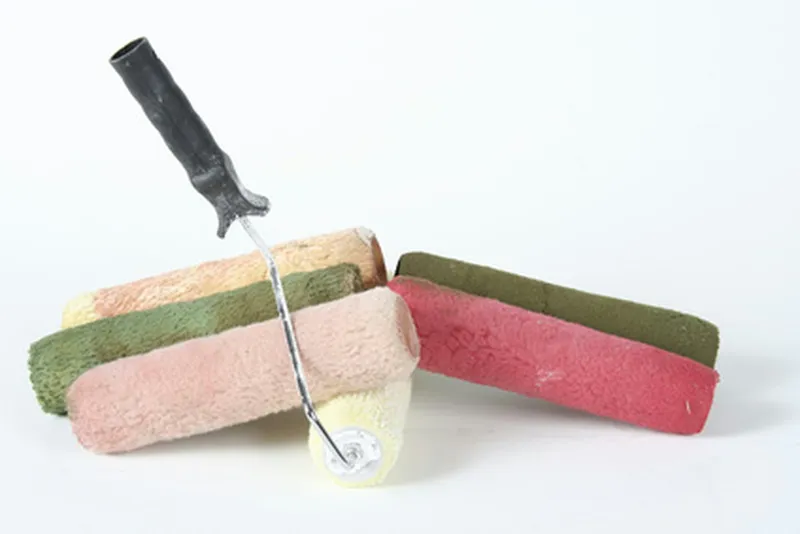
Match the gel coat color to your boat and mix the hardener into the gel coat resin—using too little hardener is preferable to using too much; if you make a mistake in the mix, err on the side of caution. From inside the boat, working beneath the hole, use a paintbrush to apply a layer of gel coat about the thickness of a toothpick onto the waxed countertop backer at the top of the hole. While the gel coat hardens, mix the epoxy resin and hardener for the fiberglass. Once it begins to harden, start laying up the fiberglass and epoxy resin, three layers at a time, until the repair is finished, pressing the fiberglass into the epoxy with a small paint roller or squeegee.
Step 6
Let the gel coat cure for at least 24 hours before removing the countertop material. Allow the fiberglass to cure completely before walking on the repaired area.