Achieving a Satin Finish on Varnish with Pumice and Rottenstone
These limestone-based powders serve as gentle abrasives for smoothing and polishing varnished wood. Professionals in refinishing and woodworking turn to them when they want a satin sheen rather than a high-gloss look.
By Alex Foster12 steps
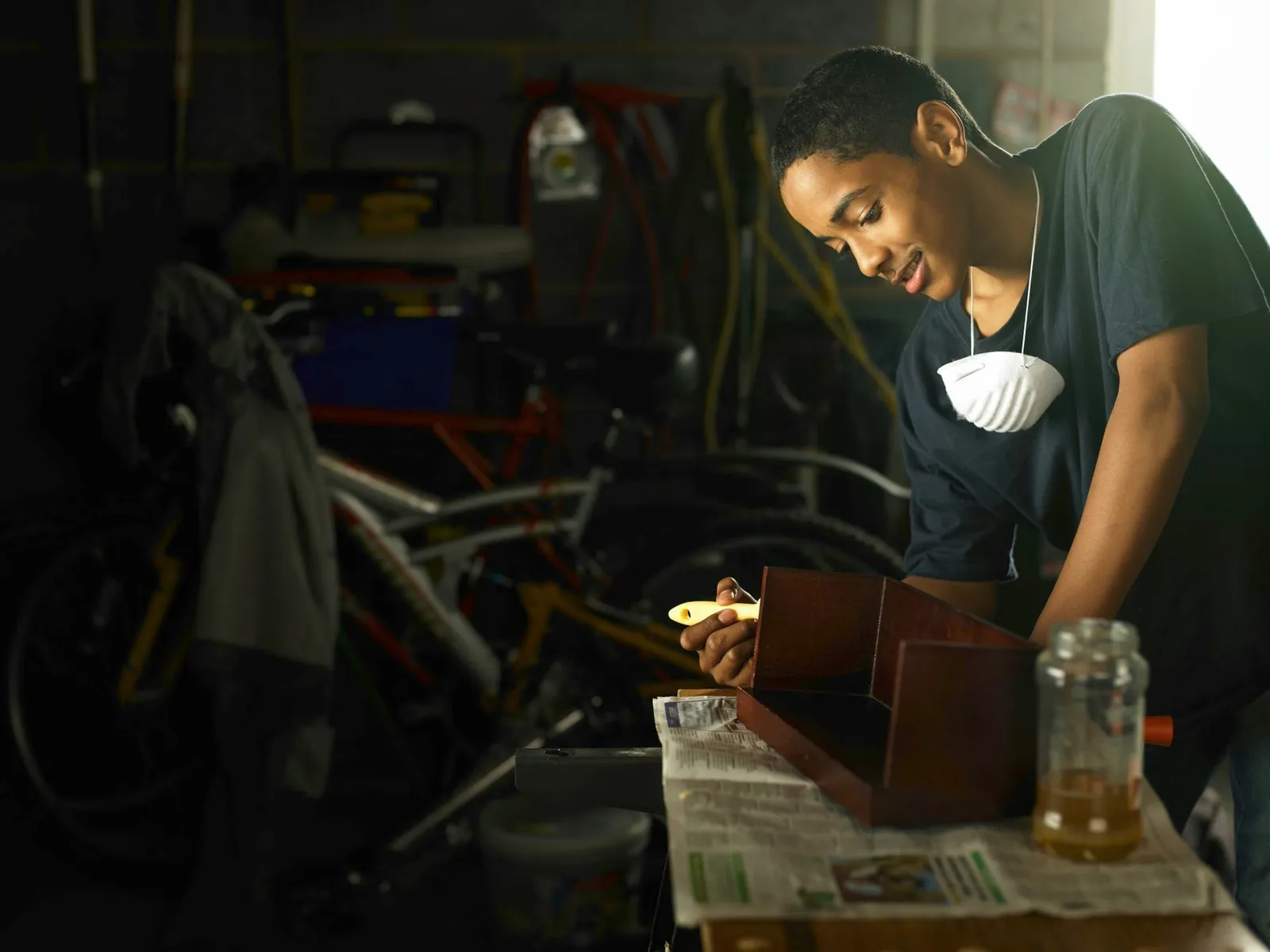
Create a satin finish on your woodworking project by buffing and polishing with pumice and rottenstone.
Pumice and rottenstone are natural light abrasives derived from limestone. They are recommended by professional refinishers and woodworkers for polishing varnished surfaces. Use these abrasives as the last step in finishing or refinishing a piece of furniture, or buff with pumice and rottenstone on a regular basis to maintain finished wood surfaces. Pumice and rottenstone are ground and sold in powder form. Your first step is buffing with pumice to remove imperfections and varnish brush strokes. Finish polishing the surface with rottenstone. The result is a lower-gloss, satin finish.
Step 1
Let freshly varnished wood dry completely. Put on work gloves and a face mask.
Step 2
Moisten the area to be polished using either water or paraffin oil.
Step 3
Scatter pumice over the wet surface. With a felt block, rub the pumice along the wood grain using long, uniform strokes.
Step 4
Add more water or oil as needed to keep the pumice damp. Before applying pumice and starting to buff any new section, wet that section first.
Step 5
Wash away the pumice with water or a furniture cleaner. Then dry the surface using a soft, dry cloth.
Step 6
Place some rottenstone into a small mixing container. Soak a clean felt block in water or paraffin oil.
Step 7
Press the felt block into the rottenstone so its bottom is coated with powder. Shake off any loose powder that does not stick to the block.
Step 8
Work the rottenstone into a small area with six to eight uniform strokes, moving in the same direction as the wood grain.
Step 9
Wipe away excess rottenstone using a cloth dampened with the same liquid—water or oil—that you used to saturate the felt block. Then dry the polished area with a clean, soft, dry cloth.
Step 10
Continue repeating Steps 7 through 9 until the whole surface has been wet-polished.
Step 11
For a final dry polish, lightly dust the surface with rottenstone. Take a fresh felt block and rub it in with long, even strokes that follow the wood grain.
Step 12
Use a clean, dry cloth to remove rottenstone dust from the surface. If any dust remains, clean the surface with a trusted furniture cleaner, following the manufacturer's instructions.