Restoring a Cast Iron Bathtub: Effective Repair Methods
Cast iron bathtubs are known for their strength and traditional porcelain-enamel finish, but they can deteriorate with age, often developing rust and surface chips. Rust has the potential to spread, and chips can become entry points for rust. Addressing both issues helps bring back the tub's look and prevents additional harm. Various manufacturers offer kits designed for chip repair.
By Parker Rivera7 steps
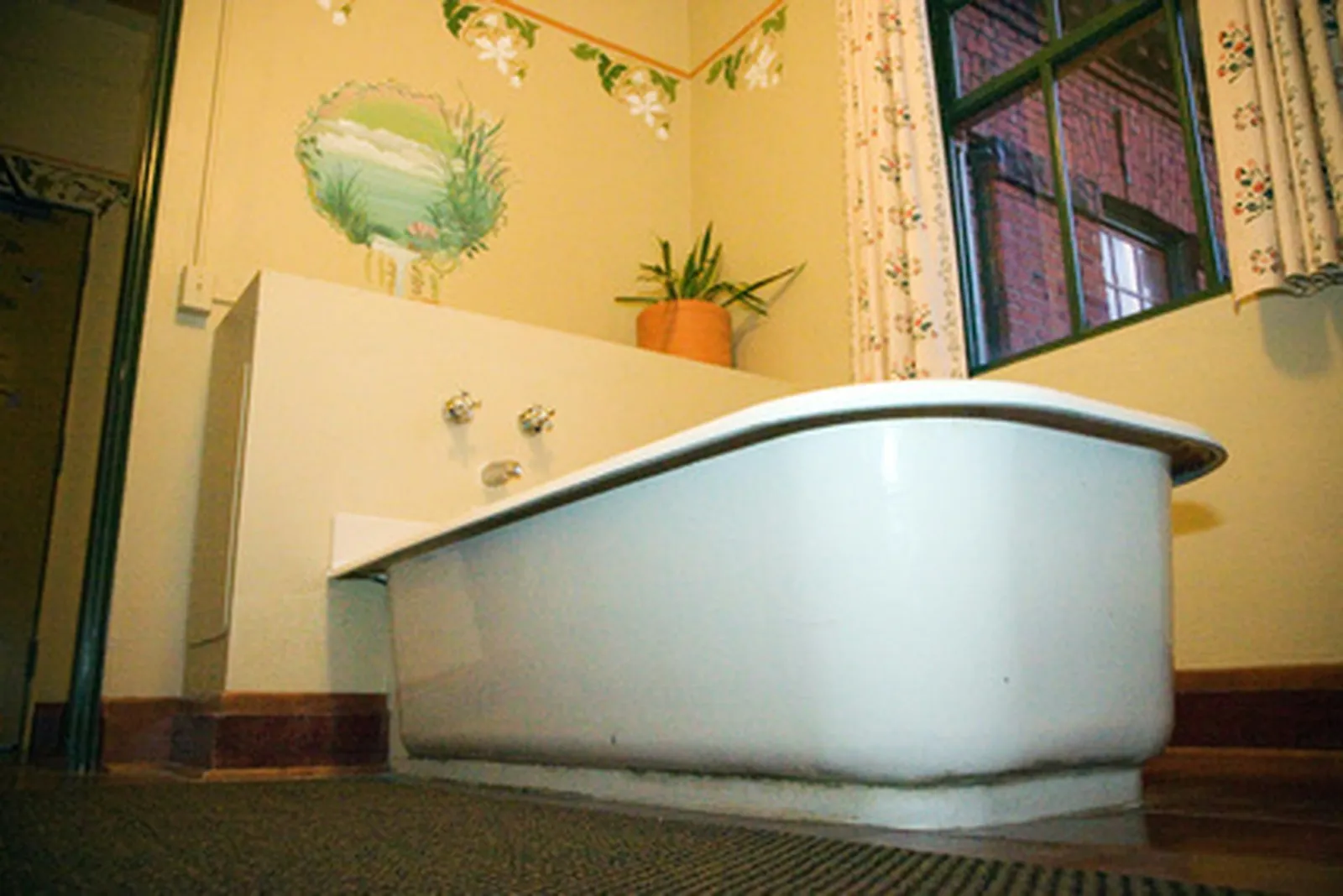
Cast iron bathtubs are valued for their long-lasting construction and the classic porcelain-enamel finish they carry. As time passes, though, these tubs may begin to show signs of wear and damage. Rust and surface chips are two frequent issues that arise. Rust has the potential to spread, and chips can become entry points for rust. Eliminating rust and repairing chips helps bring back the tub's look and prevents additional harm. A number of manufacturers offer kits for fixing chips.
Remove rust and repair surface damage before the problems worsen.
Step 1
Use a rag moistened with acetone to wipe down the tub's surface and clean it.
Step 2
For surface rust spots, scrub them away using steel wool along with a mild abrasive cleaner.
Step 3
To address penetrating rust, scrub the area with a rag dipped in a mixture of equal parts muriatic acid and water. Always pour acid into water, never the reverse. Put on long sleeves, acid-proof gloves, and safety glasses. Avoid letting muriatic acid enter the drain. After treatment, cover the affected areas with a generous amount of baking soda to neutralize the acid, making it safe to rinse. Keep the area ventilated to allow gases to escape.
Step 4
Using a putty knife, apply porcelain repair filler into the chips. Let the filler cure based on the drying time specified in the manufacturer's instructions.
Step 5
Use 220-grit sandpaper to smooth the repaired areas. Remove any leftover sanding dust with a damp rag.
Step 6
Apply a layer of porcelain primer to the patched areas using a small paintbrush. This product is sometimes called a bonding agent.
Step 7
Coat the repaired areas with two to three thin layers of porcelain-epoxy refinishing paint. Let each coat dry for five minutes before adding the next. Make sure the final coat is completely dry before using the tub.