A Guide to Underlayment Materials for Roofs
Shingles are only the visible part of a roof. Beneath them sits an underlayment, a paper layer that blocks seam leaks, shields the roof deck, and gives the top covering something to grip. Several kinds of roofing paper exist, and the right one depends on what lies below and above it.
By Kai Murphy
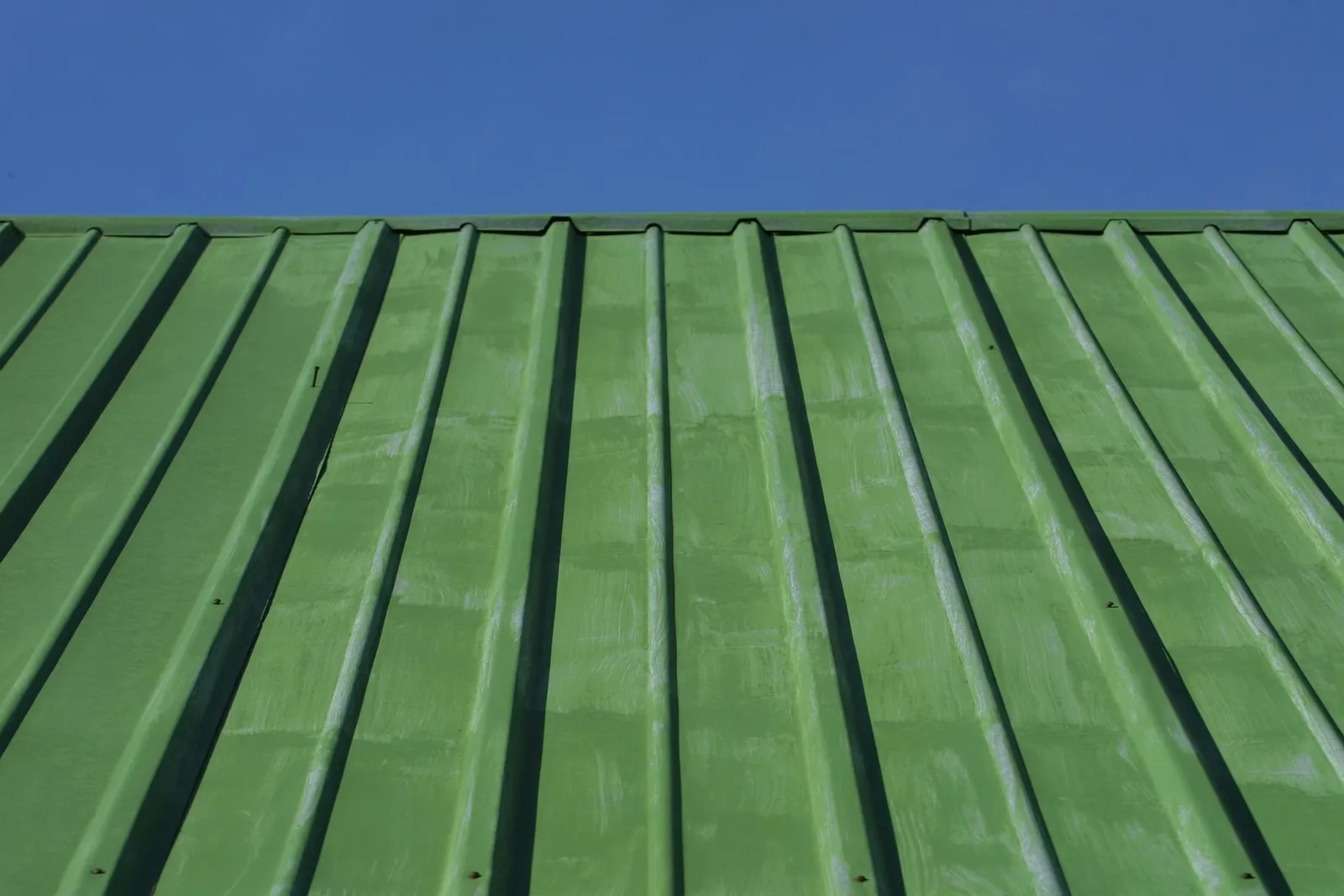
What homeowners see on top of a roof — shingles — is only part of the story. Below those shingles, tiles, or other coverings lies a separate layer known as the underlayment. This paper layer serves several purposes: it prevents leaks at the seams of the roof, shields the wood beneath, and gives the top covering — whether shingles, tile, or metal — a surface to adhere to. Different situations call for different roofing papers, and the choice depends on the material underneath the paper and the material placed over it.
Roofing Felt
Often called tar paper, roofing felt is likely the most widely used roofing paper. Its popularity stems from its ability to seal cracks, seams, and nail holes better than many alternatives. It also provides strong protection for the wood or other material it covers, and it works beneath any kind of roofing material. The product is manufactured from fiberglass that has been combined with bituminous materials. Since bituminous materials also go into asphalt production, the paper picked up the nickname tar paper. These bituminous substances account for most of roofing felt's useful qualities, including its sealing and adhering performance.
Synthetic Roofing Paper
A newer entry to the market, synthetic roof paper is gaining wide acceptance. Synthetic polymers form the basis of this product. Tear resistance and freedom from wrinkles allow it to lie more evenly on the roof, and the surface is safer for workers to walk on during installation. Additional benefits include lighter weight and light-colored manufacturing, which helps keep the roof cooler. Larger sheet sizes are another feature, cutting installation time significantly for roofing contractors. The drawback is price: synthetic roofing paper costs considerably more than roofing felt.
Self-Adhering Roofing Paper
Where ice dams tend to form or where a roof is known to leak, self-adhering roofing paper is the material of choice. For ice and water barriers, it is the best option available. The product is expensive. Installation involves applying it as the first layer in the areas that need it, then placing another type of paper over it. Compared with other underlayments, self-adhering paper is thicker, and it needs no fasteners to be installed. On a flat roof or one with a low slope, it may be used across the entire surface.