Selecting the Right Coating for Glossy Ceramic Surfaces
Glazed ceramic tiles appear throughout the home—on kitchen and bathroom walls, as living room accents, and around fireplaces. Since these surfaces are durable but their colors can quickly feel dated, repainting offers a way to refresh them instead of tearing them out. Because most coatings struggle to grip a glazed finish, the choice of product and application method matters greatly.
By Reese Young
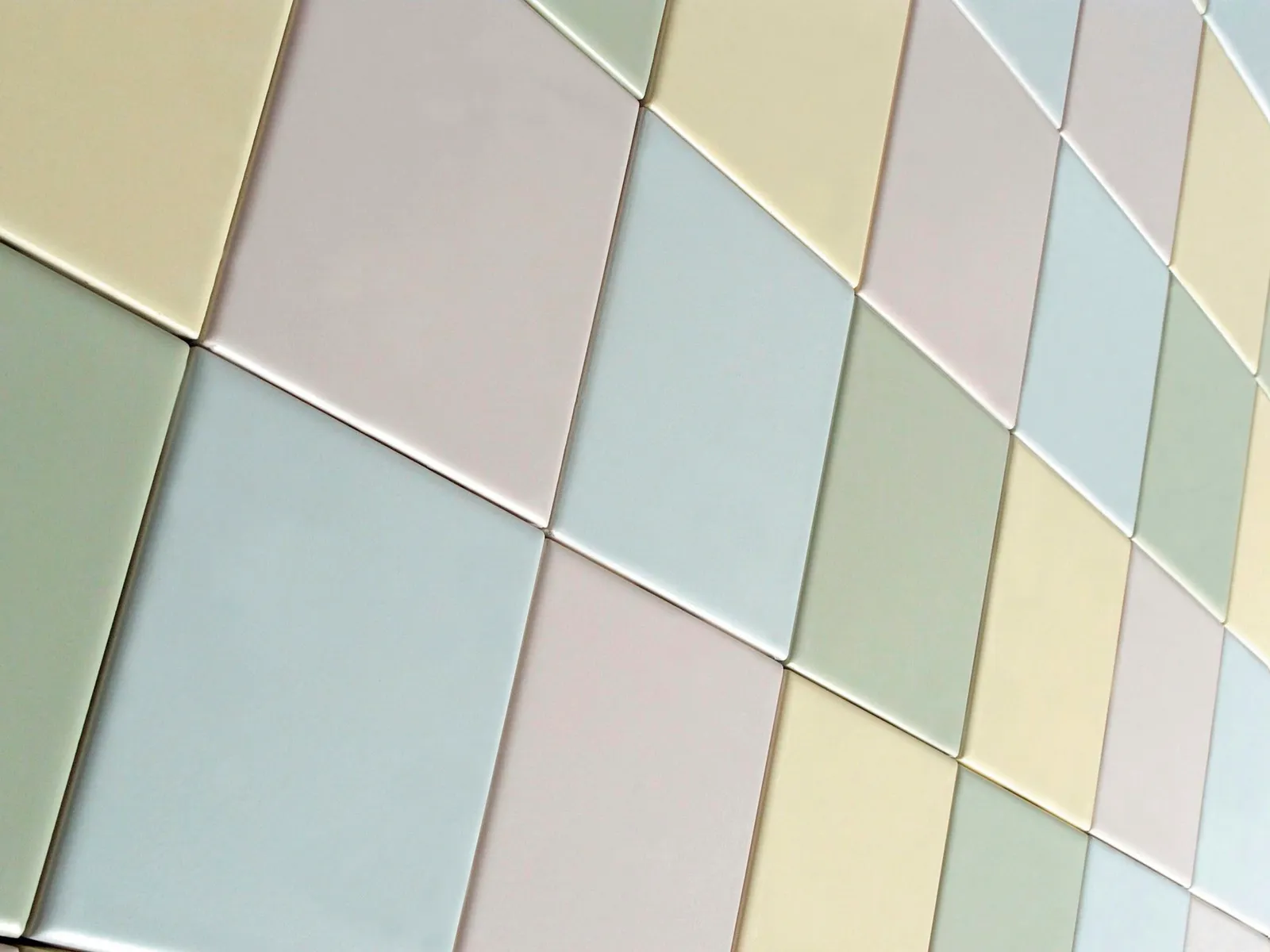
Glazed ceramic tile can be hard to paint.
Ceramic tile shows up in many parts of a home: kitchen and bathroom walls, decorative borders in living areas, and fireplace surrounds. While tile itself holds up well over time, its colors may start to look dated before the tile wears out. Repainting the surface lets you update the look without replacing it, and decorated ceramic tiles can also serve as artwork. The challenge is that very few paints bond effectively to a glazed finish, so picking the right product and applying it correctly is what keeps the results looking good.
Aerosol Products
Spray paint can be used on glazed ceramic items like lamps or single tiles. It may also stick to tiled walls, though it covers the grout lines and is prone to scratching or peeling if handled roughly. "Real Simple" magazine suggests choosing "fusion"-style paints formulated for plastic and other smooth surfaces, which lowers the chance of weak bonding and later peeling. Applying standard spray paint over a primer might work, but carries a higher risk of cracking or uneven sticking. Before spraying, confirm the tile is free of dirt and moisture, since either can lead to bubbles and other flaws.
Oven-Cured Ceramic Paints
Ceramic paints that require oven baking are best suited to individual tiles meant as art pieces. These water-based products apply smoothly and are dry within a day. Full adhesion, however, only happens once the tile has been baked at a temperature in the hundreds of degrees. To clean a finished piece, use warm soapy water and avoid scrubbing, which can strip the paint away.
Oil-Based Options
Oil-based paints bond to ceramic tile in locations that don't see frequent moisture. Start by cleaning the tile and the surrounding grout completely. Then apply the paint with a brush or roller, using masking to protect surfaces you don't want coated. Stencils or freehand designs both work with oil paint. After painting, let it dry for two to three days with plenty of ventilation, then finish with two layers of water-based urethane varnish. Skip oil-based varnishes, which may turn yellow over time. With the urethane topcoat, oil-painted ceramic tile can be used on walls, dry countertops, and even floors.
Latex and Acrylic Products
These water-based paints are simple to use but are not the strongest choice for tile. Acrylic and latex tend to lift away from tile, particularly in moist areas or spots subject to scraping or impact. That said, latex paint can work on tile if applied in multiple thin layers and sealed with a tough varnish. Acrylics are best reserved for art tiles, and only after being altered with a glass and tile medium sold at most craft stores. To safeguard the design, glaze the finished tile with additional medium and let it cure for at least two weeks.
Epoxy Coatings
This premium, long-lasting paint can be tricky to work with, but it creates a very solid coating even on glazed ceramic. Epoxy resists heat and chipping effectively, and handles water, acids, and alkaline substances better than most alternatives, making it a common pick for tile in bathrooms, kitchens, and other heavy-use areas. Its appearance can degrade over time, though, particularly under harsh conditions—gloss and color may fade through a process called "chalking." Apply epoxy only to thoroughly clean surfaces and move fast, because it hardens via a chemical reaction and may begin setting before you finish painting.