Can You Prevent Latex Balloons From Turning Chalky?
Oxidation gives latex balloons a dull, powdery look, and it cannot be halted entirely. Packing inflated balloons in plastic bags, keeping them away from light and heat, and applying a dedicated balloon treatment are the most effective ways to delay the change and keep decorations looking good for longer.
By Kai Murphy
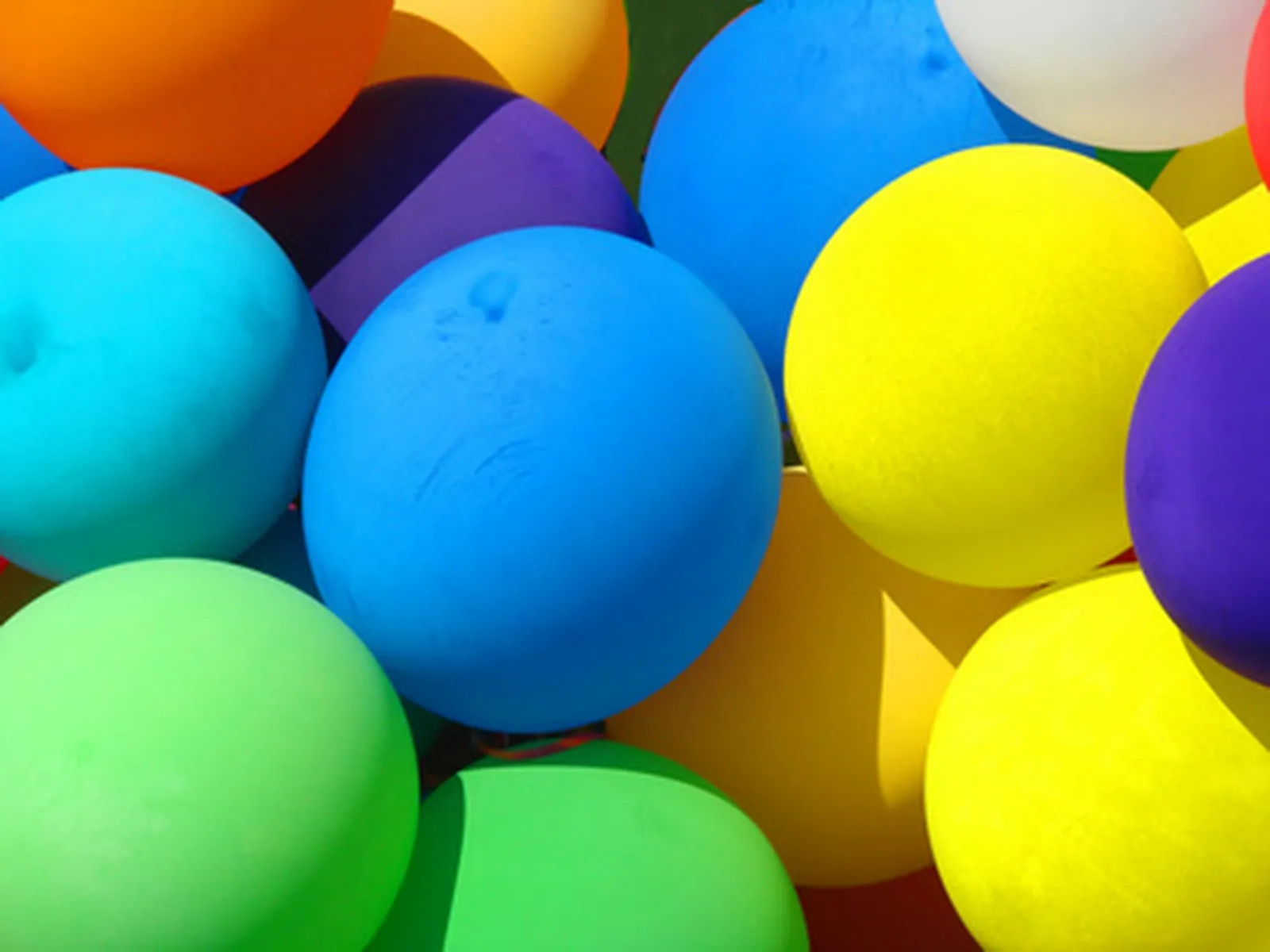
Keep balloons from oxidation; put them in plastic bags.
Maybe you spent an afternoon blowing up balloons yourself, or maybe you bought them already inflated. Either way, the vivid colors can start looking hazy within hours. The culprit is oxidation, a chemical reaction that leaves glossy balloons with a dusty, chalky surface. There is no way to prevent oxidation from occurring at all, but you can take several straightforward measures to delay it and help balloons stay bright and shiny for as long as possible.
What Makes Balloons Oxidize
Oxidation does not affect every type of balloon. Foil balloons and vinyl balloons do not undergo this process. The issue is limited to balloons made of latex. The majority of balloons you inflate at home yourself, along with many of the pre-inflated balloons that retailers sell, are latex, which comes from rubber trees.
Since latex is an organic material, it breaks down far faster than foil or vinyl. Some latex balloons are even advertised as biodegradable, although full decomposition can take months or even years. (That is why letting balloons go into the sky harms wildlife and the environment. Fish and other animals frequently die after eating balloons that land back on the ground; a biodegradable balloon can still do damage long before it begins to break down.)
Decomposition may be slow, but oxidation can begin within hours of inflation. Oxidation is a chemical reaction in which molecules lose electrons. What matters for your decorations is that oxidation turns shiny, colorful balloons dull and sometimes dusty-looking. Light, heat and oxygen all accelerate the process.
Ways to Delay Oxidation
Since oxidation is a natural chemical reaction, your only option is to slow its effects on latex balloons. The easiest approach is to place inflated balloons inside plastic bags, then keep them in a cool, dry, dark location until you need them. Plastic dry-cleaner bags or large garbage bags work well for holding inflated balloons.
Think about oxidation when you pick balloon colors, particularly if you plan to inflate them more than a few hours before an event. The effect shows up most clearly on clear balloons or bright balloons in jewel tones. Balloons with a pearly or opaque finish tend to hide oxidation better.
Treating Balloons With Spray
Shielding balloons from light and heat helps slow oxidation, and you can prolong their appearance further by using a product created for this specific purpose. HI-FLOAT is a liquid formulated to keep balloons from deflating and oxidizing quickly. According to the product instructions, soak deflated balloons in the liquid before inflating them. If your latex balloons are already inflated, combine two parts water with one part HI-FLOAT and gently pour the mixture over the outside of each balloon.
You might also come across another product marketed as an anti-oxidation spray for balloons. Check your local party store or any shop that sells inflated balloons to find these items and get advice from staff.
Avoid trying balloon shine tricks with things like silicone spray or oil. They create a mess and are unlikely to produce the outcome you want. Some people suggest using hair spray on balloons to keep them from losing air too fast, but that method does little for the look of the latex itself. After balloons have oxidized, you probably will not be able to restore the shine they had right after inflation.