Organizing a Successful Beer Festival: A Step-by-Step Guide
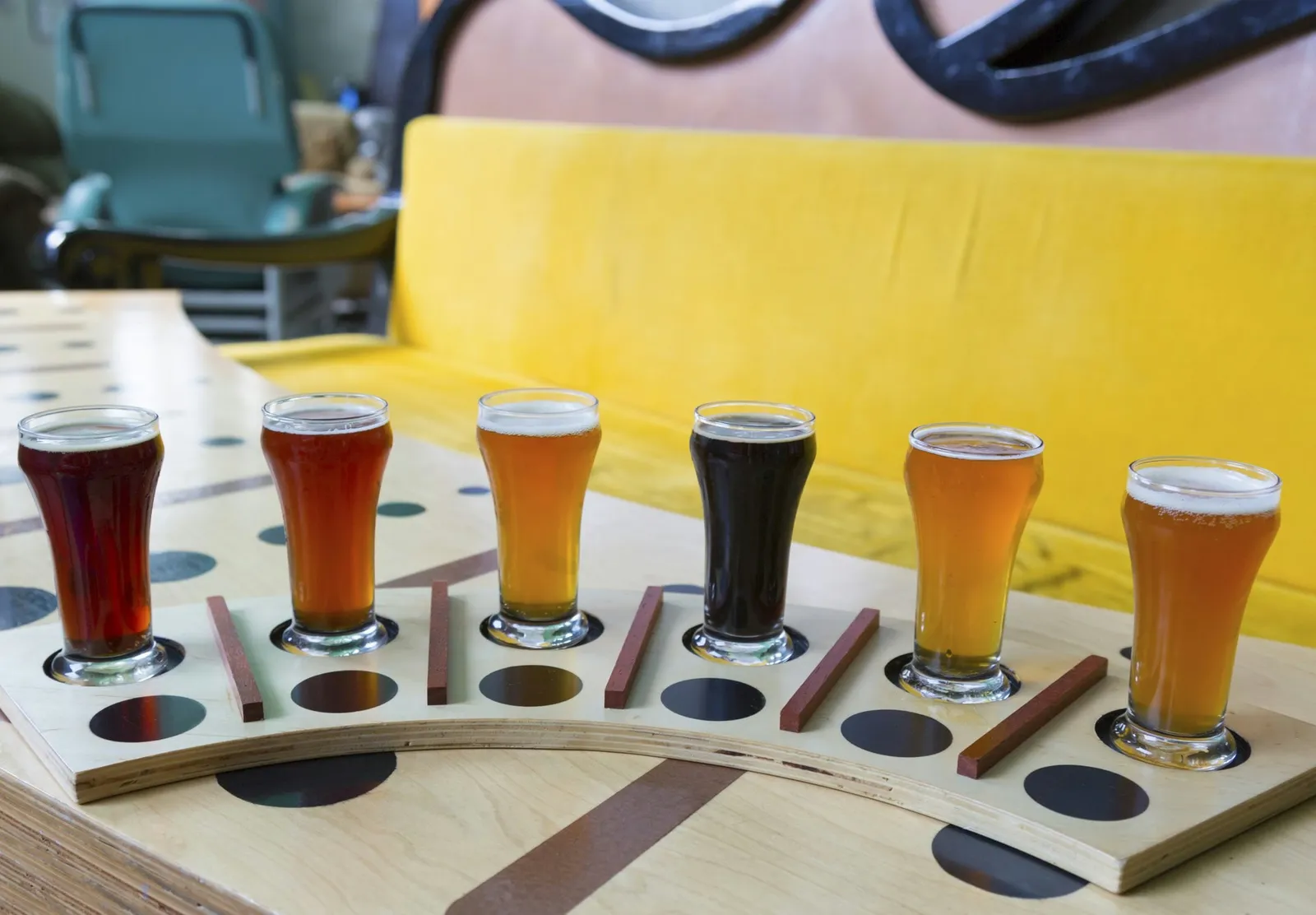
Beer festivals serve as a popular way for nonprofits to raise funds for a cause or for businesses to showcase a new craft beer. Communities often host them to draw visitors to local breweries. While summer is a common season for outdoor festivals, winter versions can be equally enjoyable. Regardless of scale or objective, a safe and well-executed beer festival demands significant effort and meticulous planning.
By Blake Williams
x
Currently, beer festivals have become a popular trend. For nonprofit organizations, these events provide an excellent opportunity to generate funds for a worthy cause, while for businesses, they serve as a platform to launch a new craft beer. Frequently, communities organize beer festivals with the aim of drawing visitors to high-quality breweries in the area. While summer is the peak season for outdoor beer festivals, winter festivals can be just as entertaining. No matter the scale or the goal, a safe and efficiently managed beer festival calls for diligent effort and thorough planning.
Legal Requirements
Every state has regulations governing alcohol sales, though the exact licensing requirements can differ. A temporary special event license is often necessary. Licensing authorities might also impose limits on serving sizes or the number of samples allowed. Typically, food is offered alongside beer, and most state liquor licensing agencies mandate at least two or three substantial food items, such as pizza, hot dogs, chicken, or sandwiches. A temporary food service permit is usually required as well. Insurance is another crucial element, and most providers offer comprehensive event coverage. If other organizations are involved in the event, they must also have insurance coverage.
Planning Timeline
Set aside at least six to eight weeks to plan a beer festival. Check a community events calendar and choose a date that avoids clashes with other major, established events. Holidays can be ideal because people are out and about, seeking fun activities. Decide on the duration; while festivals can last several days, they are frequently one-day or weekend affairs.
Selecting a Location
The choice of venue is mostly influenced by the expected number of attendees. Consider beginning with a small festival and then growing it year by year as you gain experience, confidence, and a positive reputation through word of mouth. The venue should be easy to reach and must have sufficient restroom facilities. For outdoor events, you might need to rent portable toilets. An outdoor event also necessitates a contingency plan for providing shelter in case of rain.
Key Considerations
Beer festivals are frequently free to enter, with revenue generated from beverage sales. If you plan to charge admission, you can sell tickets at the entrance or in advance. Also, decide whether the festival will be for adults only or a family-friendly day. If families are invited, think about activities for children, such as face painting, games, or a bouncy house. Beer festivals often include live music, and the musicians' fees should be included in the event budget. Compile a list of necessary items for the beer festival, such as chairs and tables, tents, serving counters, signage, and garbage cans. Security is vital and can be handled by volunteers or a professional security firm. If you opt for volunteers, organize them in advance and provide proper training. You could add a chili cook-off or barbecue to your activities, which can bring in more revenue for the event. Alternatively, consider inviting nonprofit organizations to sell food at the festival.
Promotion
The local newspaper is a good starting point for advertising the beer festival, and many papers offer free listings for upcoming events. Share the event on social media platforms. Hand out fliers or posters and place a banner at the venue. Giving free tickets to local radio stations is often an effective way to secure low-cost or free advertising. Frequently, local businesses are eager to sponsor the event, which aids in promotion and reduces costs.