Turning Your Knitting Hobby Into a Money-Making Venture
A knitting business can be launched with minimal upfront investment, making it an appealing option for crafters who want their pastime to help cover the rising cost of yarn. Knitters who sell their work often do so primarily for enjoyment while offsetting hobby expenses.
By Hayden Scott
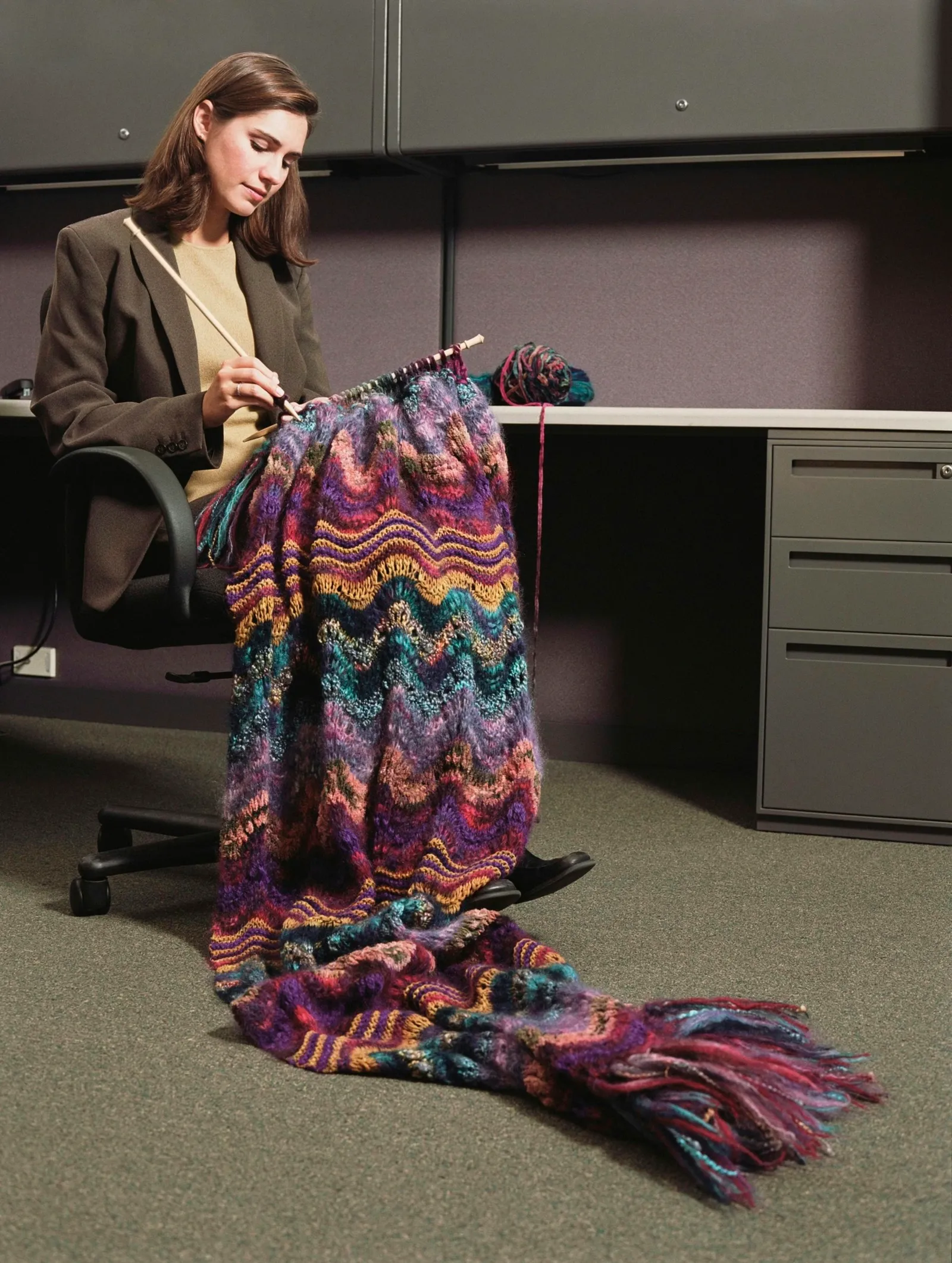
Knitting as a hobby-turned-business may not be highly profitable, but be sure it stays enjoyable.
For those who find pleasure in knitting and are searching for a small business idea, launching a knitting business could be worth considering. A number of knitters who sell their creations do it for enjoyment and to fund their hobby, since yarn expenses can accumulate rapidly. Overhead for a knitting business is minimal; knitting can be done in nearly any location, and at the time of publication, initial costs should not exceed a couple thousand dollars, which would cover yarn, essential needles and other equipment.
Creating a Business Plan
Before opening your knitting business, consider the type of operation it will be and whether your knitting abilities are advanced enough to create items that look professional. As with any venture, the first step is to work out all the specifics. You might choose to knit items you personally enjoy and offer them for sale. Alternatively, you may be open to accepting commissions from people who like your work and have a particular request in mind. Another way to generate income is by designing and selling knitting patterns.
Resolve these questions before making a commitment:
- The scope of your business
- Your pricing structure
- Your approach to marketing your products
- Whether you will accept custom orders
Marketing Your Finished Knits
Once you have decided what you want to knit, consider the methods you will use to sell your completed items. Options include participating in craft shows with a table display, setting up a presence on an online craft-selling website, or building your own website. It can also be worth asking local yarn shops whether they bring in knitters to produce samples that showcase their yarns and patterns. Independent gift shops that carry handmade goods represent yet another possible outlet.
Monetizing Your Patterns
If you have the ability to design your own knitting patterns, selling those designs can provide an additional revenue source for your knitting business. Present your patterns in an attractive layout, including straightforward directions and photographs of the completed item, and store them as PDF files, which are simple to print and attach to emails. In addition to offering your patterns through your business website and at craft shows you participate in, consider pitching them to local yarn stores and even knitting publications.
Setting Prices for Your Work
Determining how to price handknitted items for sale can be a challenge. At the time of publication, the yarn alone for a basic hat might run anywhere from $10 to $30 or more, depending on the fiber and its quality. When you factor in the value of the time spent knitting that hat, the resulting price may exceed what a prospective buyer is willing to pay. Some knitters handle this by having customers purchase the yarn for a specific project and then charging only for the knitting labor. Others look into what comparable hand-knitted items currently sell for and attempt to set their prices in line with what the market supports.