Building Your Own Spinning Wheel: A Practical Guide
Hand spinners often pay hundreds of dollars for a spinning wheel, but with woodworking skills, you can construct one yourself. This guide covers design options from simple to complex, the basic mechanics, and factors to consider before starting, so you can create a functional wheel tailored to your spinning needs.
By Kai Wood
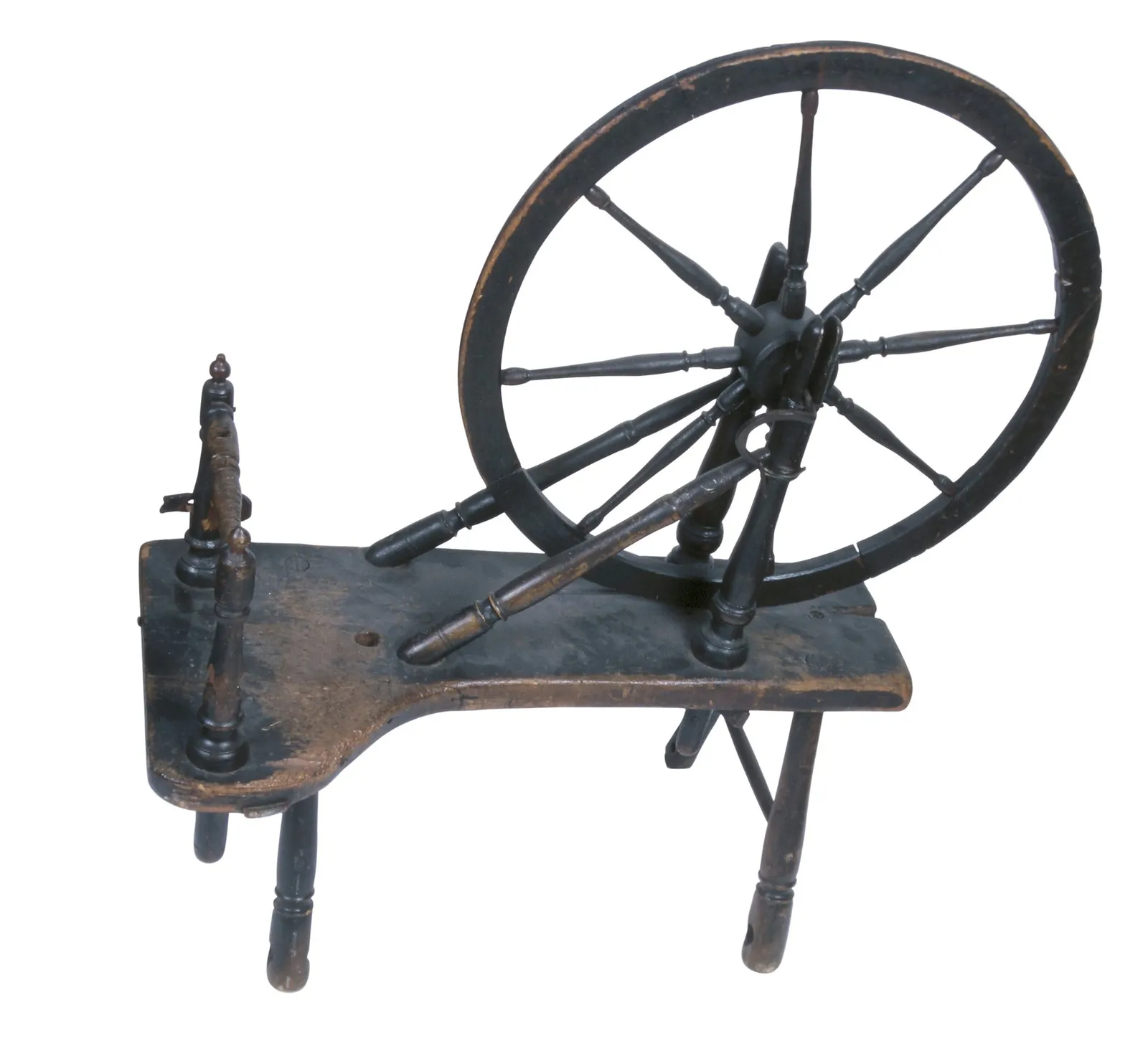
Spinning wheels are more than mere storybook decorations; they are functional tools that introduce twist into fiber, enabling you to produce your own yarn and thread. While commercial spinning wheels can cost hundreds of dollars, those with woodworking ability can build a working wheel on their own.
Determining Complexity
A spinning wheel might be as basic as a bicycle tire attached to a large box, or it could be as elaborate as a double treadle model. Prior to construction, assess your comfort level with tools and the type of wheel you feel capable of building.
Understanding Wheel Mechanics
Numerous hand spinners begin with a spindle—a weighted vertical shaft that is rotated to insert twist into fiber. A spinning wheel performs the same function through mechanical means. Rather than relying on a weight, a drive wheel and pulley system rotate the spindle. Various spinning wheel configurations exist, all utilizing these three fundamental components, and getting acquainted with these parts is advisable before you start building your own.
Selecting a Design
Plans for numerous spinning wheel styles are available for purchase. One possible resource is Richard Schneider's book, "A No-Lathe Saxony-Style Spinning Wheel Construction Manual." For a simpler option, you can construct a charkha tabletop wheel using a cigar box.
Matching Wheel to Fiber
Different fibers require different spinning approaches. For instance, short staple fibers such as cotton demand significant twist, whereas wool fibers are longer and can be spun with less twist. Before deciding on a wheel design, think about the types of fiber you prefer to spin and select a wheel that suits them. A charkha, for example, excels at producing fine yarns with high twist.
Preparation Steps
Once a design is chosen, go through the instructions to confirm you can manage all required techniques. If certain techniques are unfamiliar, practice on scrap wood. Also, verify that you have all the tools necessary to finish the wheel.
When you feel confident with both the design and the techniques involved, collect your materials and begin construction. Before long, you'll be spinning on your newly built wheel.
Exploring Other Materials
While wood is the most common material for spinning wheels, you can also build one from PVC pipe.