Understanding Drying Times for Kilz Oil-Based Primer
Kilz offers multiple oil-based primer formulations, and the manufacturer's suggested drying windows span from 15 minutes to an hour, though real-world conditions often shift those timeframes.
By Hayden Ward4 steps
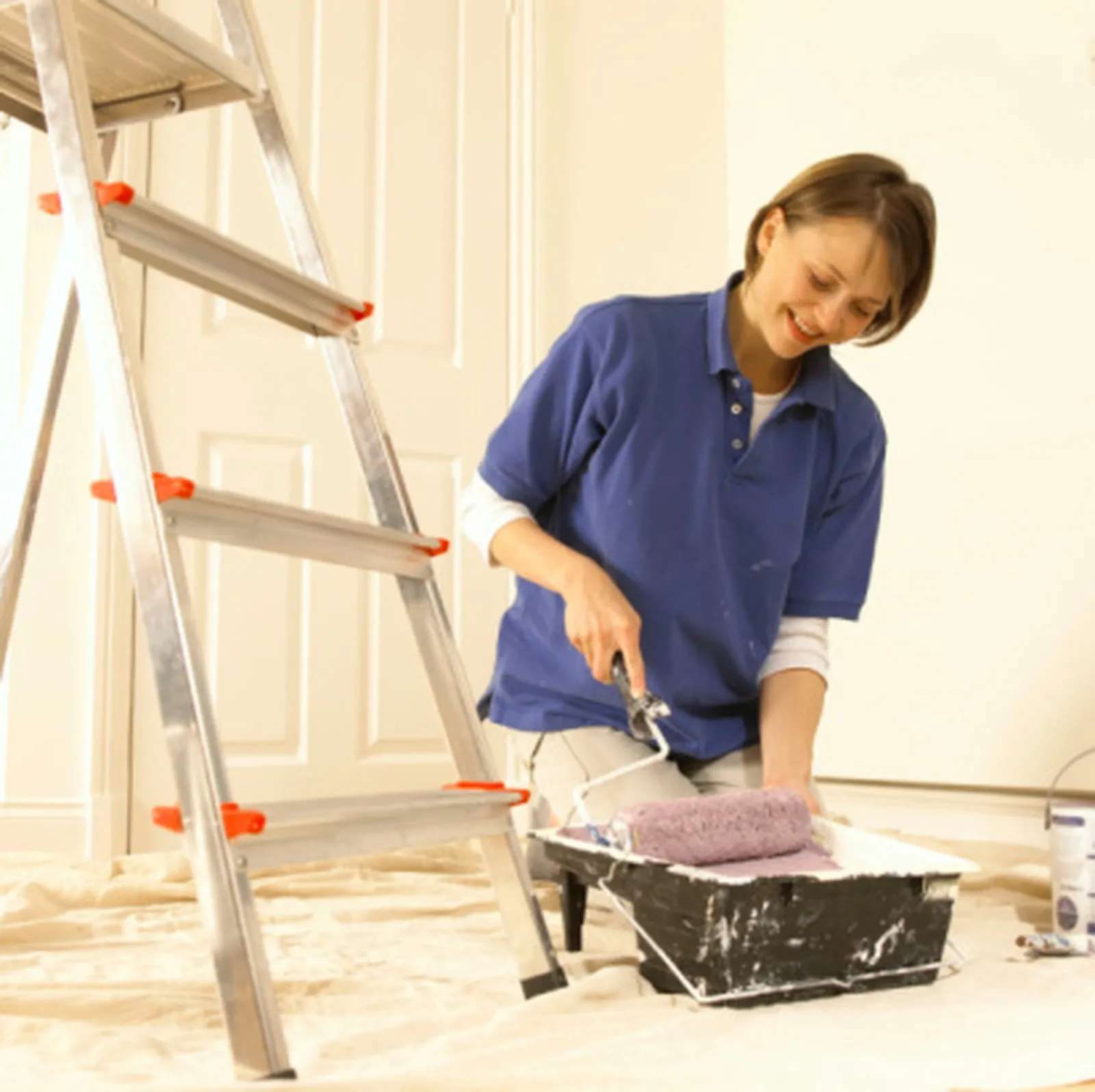
Primer must dry, or cure, completely before being recoated.
When it comes to hiding stains and dealing with uneven surfaces—like wood knots that would otherwise seep through a finish coat—oil-based primers are especially effective. Kilz manufactures a range of oil-based primers designed for different uses, covering both indoor and outdoor projects. While the company's recommended cure times fall between 15 minutes and one hour, a number of variables can influence how long the primer actually takes to dry.
Step 1
Look over the instructions provided with the paint. The container's label specifies the amount of time needed for the primer to become dry to the touch, as well as when a second coat or a top coat may be added if conditions are ideal. This gives you a useful baseline for estimating the primer's actual cure duration.
Step 2
Take temperature and moisture into account. The cure times suggested by the manufacturer generally assume an environment of 77 degrees Fahrenheit (25 degrees Celsius) with 50 percent humidity. When temperatures drop or humidity rises, the primer will need more time to cure.
Step 3
Think about how thickly the primer was applied. The spread rate—meaning how heavy the coat is—also plays a role in curing time. A thick layer of paint dries more slowly than a thin one.
Step 4
Improve airflow in the space. Drying primer is largely a matter of the liquid components evaporating out of the paint. Better ventilation accelerates that process. Where you can, open windows and doors, and use a fan to keep air moving through the area as much as possible.