Layering Washes for a Luminous Lunar Scene
By applying translucent coats of acrylic mixed with water, a painter can build a gentle radiance around the moon. This technique, set against a dark nocturnal backdrop, produces a feeling of dimension and mood. Washes are made by thinning paint with different proportions of water.
By Charlie Watson6 steps
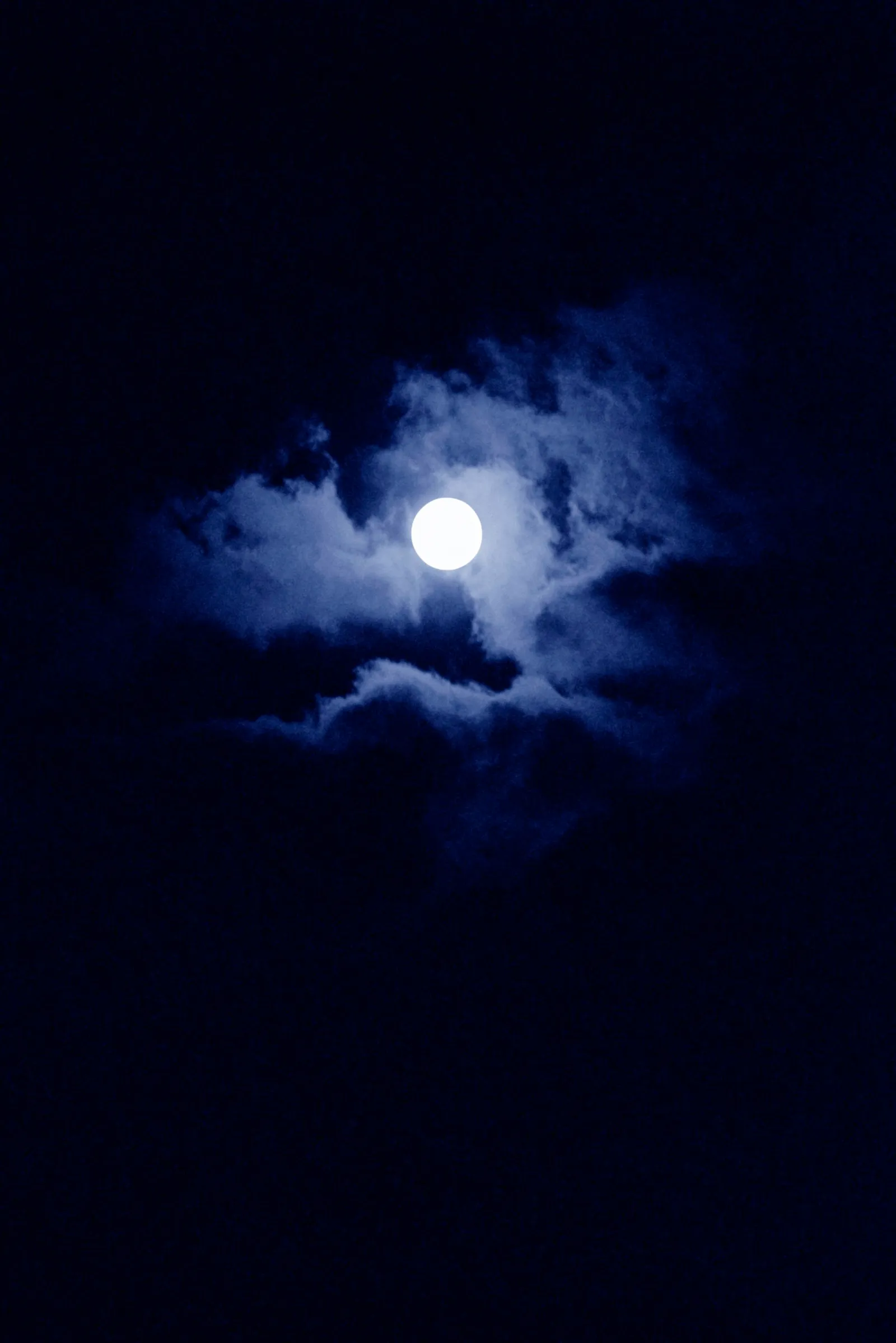
Simulate a glowing moon with layers of acrylic paint.
To achieve a gentle, luminous look for a painted moon, an artist builds up delicate coats of color. When set against a dark night sky, this technique adds dimension and atmosphere to the artwork. A wash is prepared by combining acrylic colors with different quantities of water. This diluted mixture is then brushed on in thin, incremental layers to reveal the focal point. Introducing a convincingly radiant moon can lend a romantic or mysterious quality to your painting.
Step 1
Place the canvas on a flat, clean workspace.
Step 2
Using a wide brush, cover the whole canvas with a layer of black acrylic paint. Use a blow dryer to set this coat, then add another layer.
Step 3
While the second black coat is still damp, take a mid-sized brush and spread blue acrylic paint over the middle area of the canvas. Leave irregular borders roughly two inches from the canvas edges to mimic a cloudy night sky. Once done, dry this layer with a blow dryer.
Step 4
Combine one part white paint with two parts water to make a runny white wash. Using a mid-sized brush, apply this wash to the center of the painting. Brush it on slowly and softly in a circular shape, but preserve soft, fading edges. When finished, dry this layer with a blow dryer.
Step 5
For a denser wash, mix one part white paint with one part water. Begin at the center of the earlier wash and move outward with a mid-sized brush to strengthen the glow. Keep this layer more compact than the first wash so that both stay noticeable.
Step 6
Now add the moon itself. With a fine brush, outline the moon using white paint, then fill the shape entirely with white.