Three Approaches for Creating Art Across Several Canvases
There are three primary techniques for producing one artwork that spans multiple canvases. The simplest is creating a series of related paintings meant to hang together, though each remains a standalone work. The other two options are joining the canvases physically while painting, or sketching a design across each panel first and then matching colors along every shared edge to blend the smaller surfaces into one larger composition.
By Hayden Adams7 steps
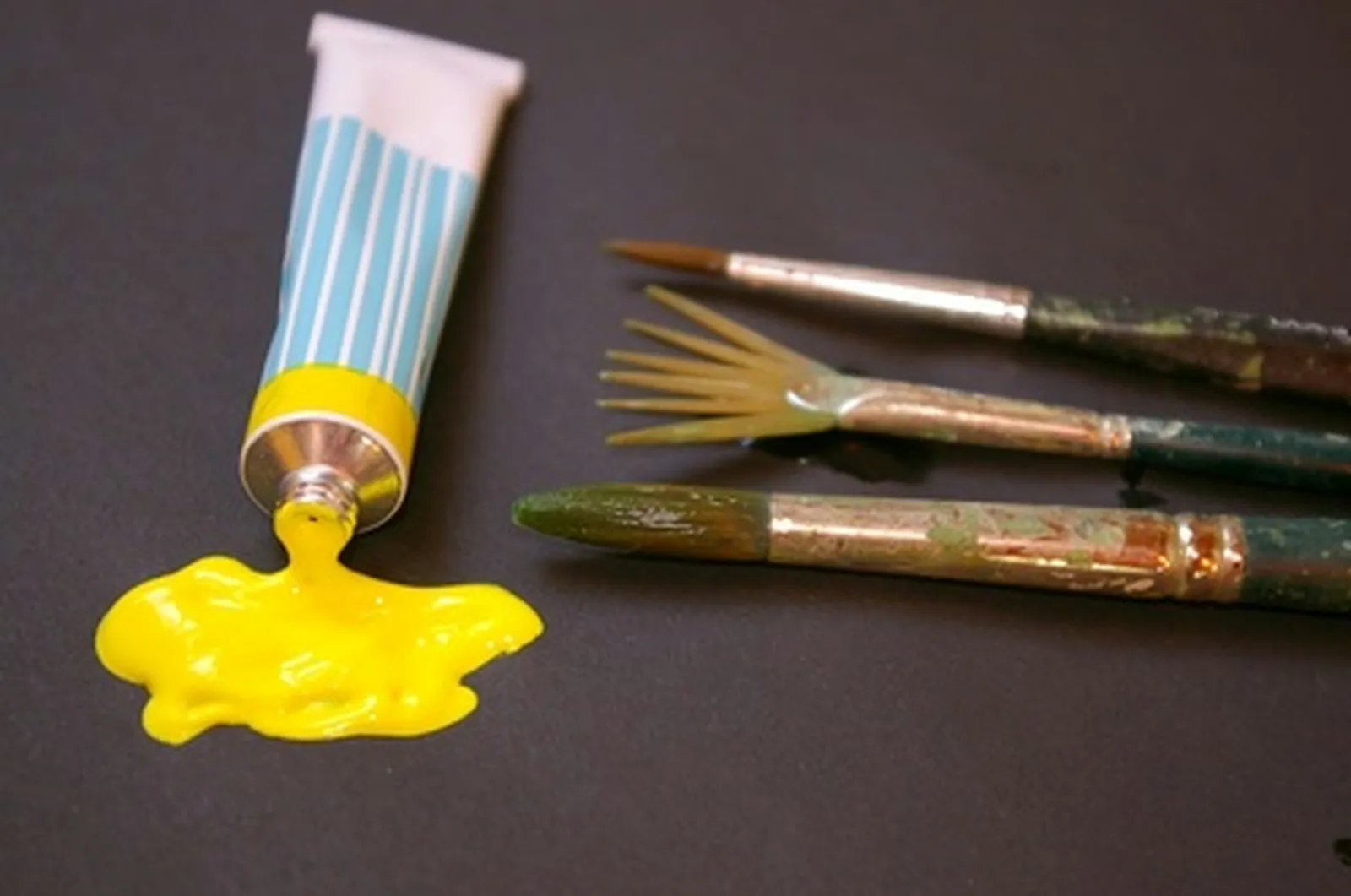
Any painting can be made more dynamic with multiple canvases.
Producing a single artwork that stretches across several canvases can be done in three main ways. One option is to create a series of themed works designed to be displayed side by side, even though each canvas is technically its own painting. The other two approaches demand more effort: either fastening the canvases together while you paint, or sketching the outline of the finished image onto every panel and then carefully matching colors at each seam where the canvases meet, so that the smaller pieces merge seamlessly into one larger work.
Step 1
Place every canvas face down on a clean floor, arranging the frames in the sequence you want the finished multi-canvas painting to follow, with their edges touching. Shapes that are symmetrical tend to work best because they will still fit on an easel.
Step 2
Tighten the C clamps so that each canvas edge presses against its neighbor, while the clamp grips the inside of the canvas backs. Position four C clamps at even intervals to create a firm hold across all the pieces.
Step 3
Carefully raise the clamped canvases onto the easel and paint the work as you normally would. Let the paint dry. Then separate the canvases with a craft knife, using a slow and careful cutting stroke in a single direction.
Step 4
Loosen the clamps from the back of the painting one by one, gently freeing each segment from the multi-canvas piece and setting it aside before removing the next.
Step 1
Arrange all the canvases side by side on a large table or another flat, clean surface. Join them loosely with masking tape. This tape is only temporary, and any individual piece can be lifted away if the artist needs to draw underneath; its purpose is simply to stop the pieces from shifting.
Step 2
Sketch a rough outline of all the shapes in the final painting, letting the lines cross from one canvas to the next.
Step 3
Take off each piece of masking tape and paint the picture one frame at a time on the easel. Whenever you reach a canvas edge, immediately paint the adjoining objects in the other frames to keep the colors consistent; this matters especially when you are working with blended colors.