A Guide to Coating Water Pipes with Paint
Bare water pipes often look out of place in a home, but painting them can help them blend in. The process requires an acidic primer designed to etch metal, along with careful cleaning and the right paint for the pipe's location to ensure the finish lasts.
By Hayden Adams5 steps
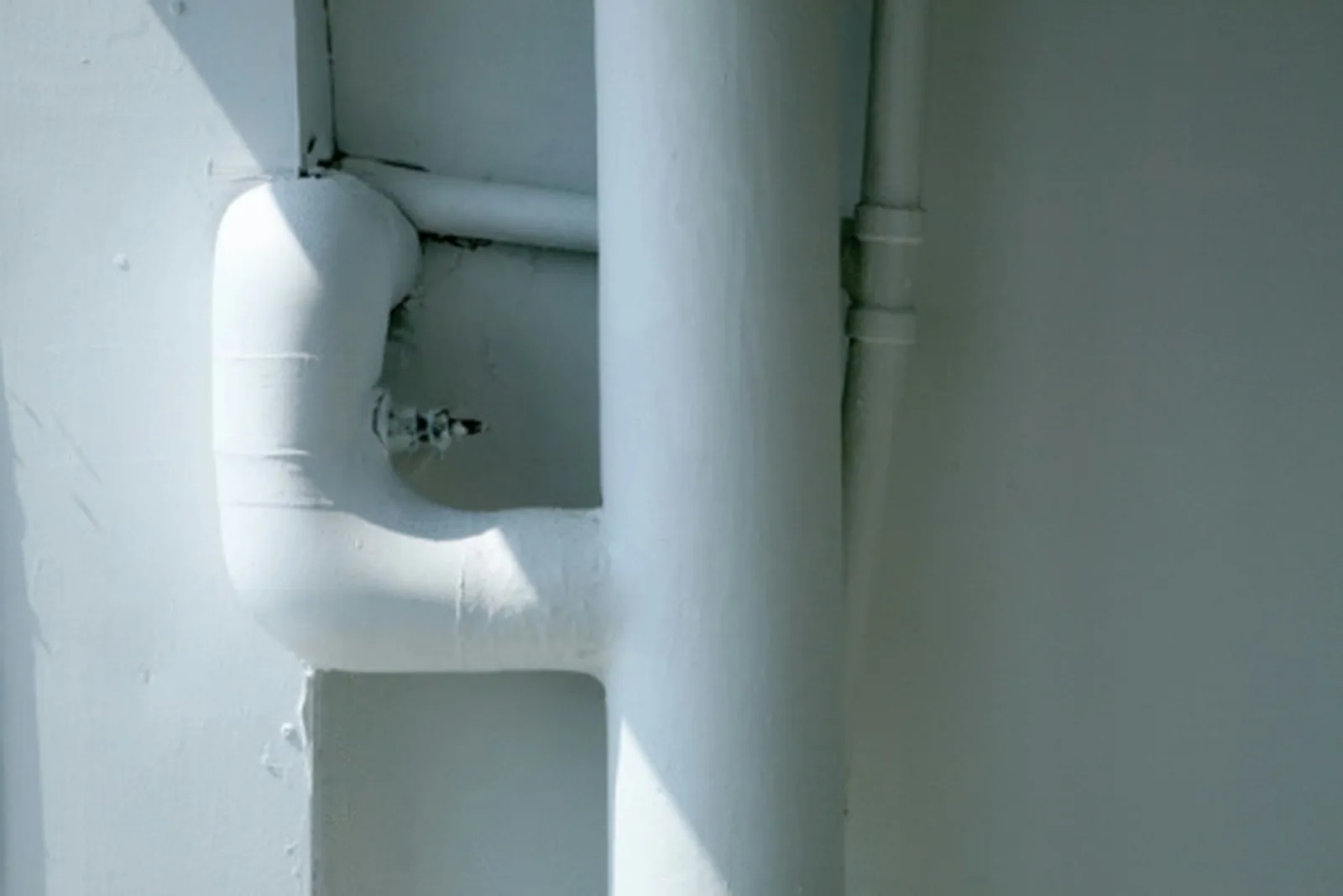
Help your pipes blend in better by finishing them with paint.
Unpainted water pipes are frequently viewed by homeowners as unattractive and out of step with the rest of the interior. Coating them with paint can make them less noticeable. The key is to first apply an acidic primer formulated to etch metal, so the paint can grip. If the pipes are not cleaned thoroughly, adhesion problems will arise. Also, choose the paint according to where the pipe is located, otherwise the coating may not hold up.
Step 1
Use steel wool and a degreasing cleanser to wash the water pipes. Then rinse them with a water hose or damp rags. Let them dry for at least 2 to 3 hours. Painting unwashed pipes will lead to serious primer adhesion issues.
Step 2
Protect the areas around and beneath the pipes using painter's tape and heavy-duty drop cloths. Work carefully and patiently to avoid unwanted paint overlap and drips.
Step 3
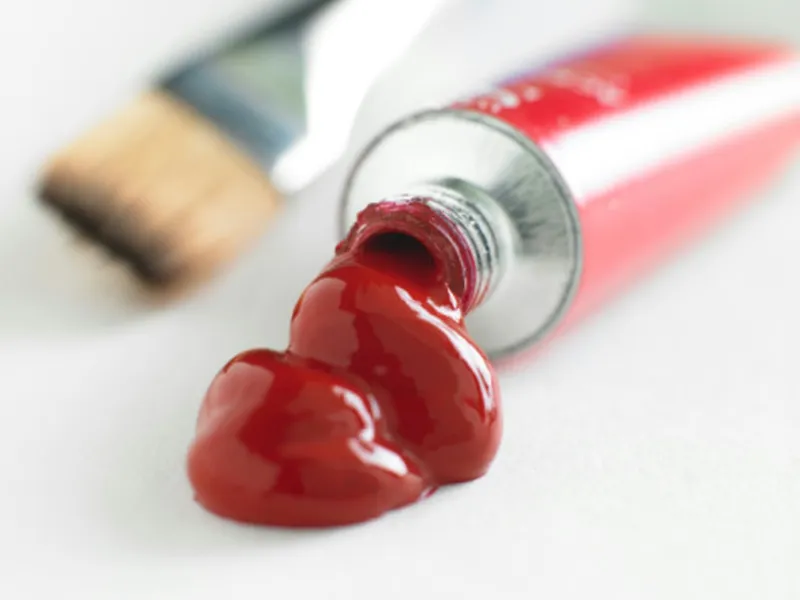
With a nylon paintbrush, apply a metal etching primer to the water pipes. Put on a thin coat, and smooth out any drips or runs as you see them. Let the pipes dry for 3 hours.
Step 4
Rinse the metal etching primer off the nylon brush with tap water.
Step 5
Paint the water pipes in the same manner as you applied the primer. For exterior pipes, use an acrylic latex paint. For interior water pipes, use a satin or semi-gloss latex paint.