Assessing the Worth of Scrimshaw: A Practical Guide
Scrimshaw generally denotes the American practice of carving or engraving whale teeth or bones, though the craft has expanded to include materials like horn, ancient ivory, and plastics. Because of this variety, putting a value on a piece can be challenging. This guide outlines steps for examining a piece, researching comparable sales, and when to seek expert authentication.
By Robin Hill8 steps
Evaluating scrimshaw accurately requires knowledge.
Carving or engraving bone, teeth, and ivory is a practice that dates back to ancient times. The term scrimshaw, however, is typically applied to the American tradition of working with whale teeth or bones. Today's scrimshanders—those who carve or engrave scrimshaw—have had to broaden their materials to include horn, ancient ivory, and even plastics. As a result, appraising scrimshaw or other carved objects can be a complex task.
Step 1
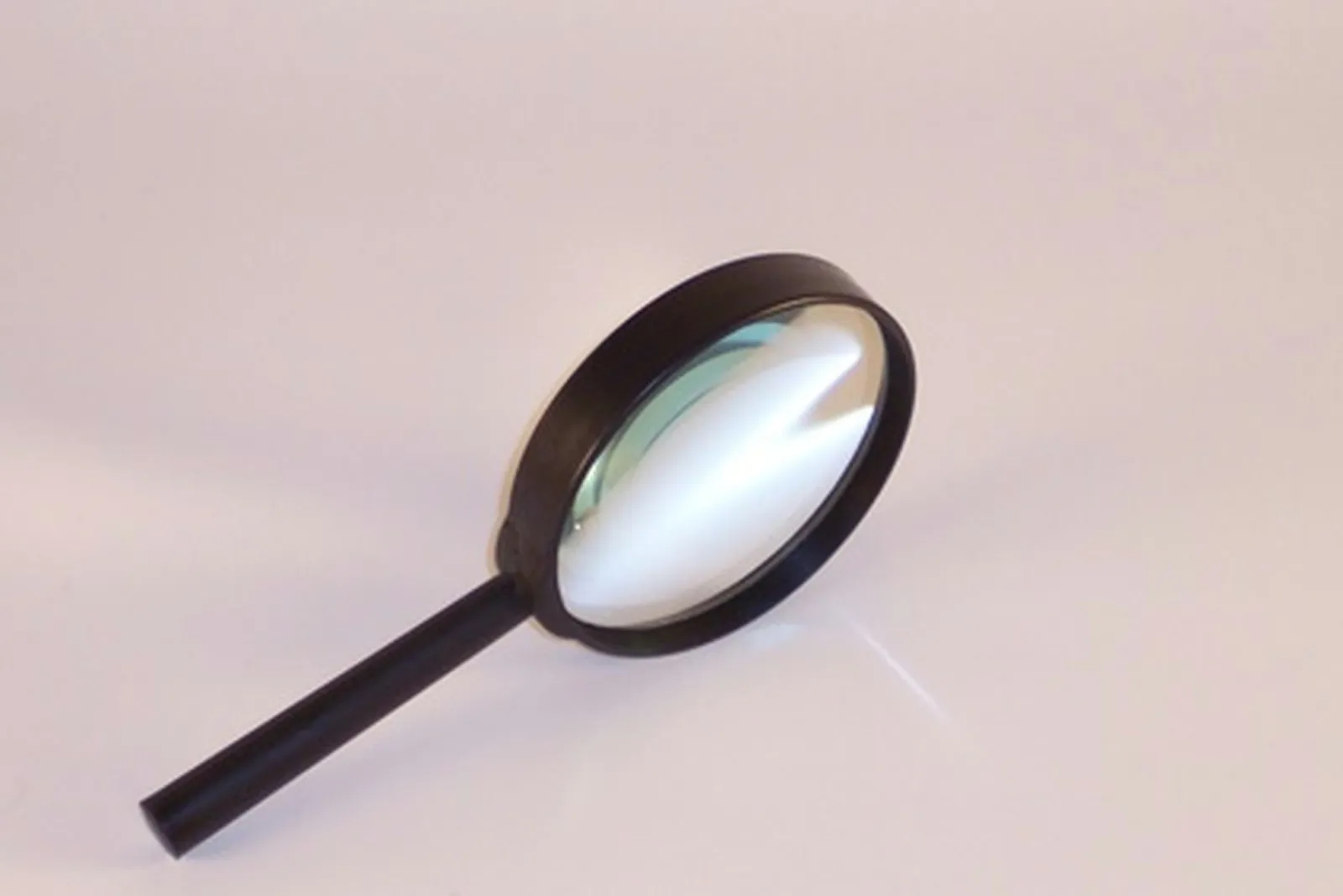
Use a magnifying glass to inspect the piece. Plastic surfaces will appear smooth. Natural materials like ivory and horn display a grain.
Step 2
Take note of the item's color and overall condition. Ivory acquires a yellow tone as it ages. Moreover, ivory that has not been properly cared for may show cracks and other flaws over time.
Step 3
Document the history of the item to the best of your knowledge. Knowing the age and origin will be useful for later comparisons.
Step 4
Make a list of the piece's key characteristics, including size, shape, any natural features that remain, and the subjects depicted in the carving or engraving. Whaling scenes are the most frequently collected, but other nautical, domestic, and patriotic scenes also hold value.
Step 5
Look for signatures, artist marks, or dates. Not every scrimshaw piece has these, but the most valuable ones carry one or more. Such marks also help with identifying the piece.
Step 1
Search public auction websites for similar items. This is the simplest way to gather more information about your pieces. You can search using multiple known factors such as age, origin, material, scene, and/or artist. A systematic approach might start with as many keywords as possible, then gradually broaden the results by removing keywords. A search for "scrimshaw whaling scene" will yield more results than "1821 scrimshaw whaling scene."
Step 2
Purchase a book on scrimshaw. This is a sensible second step if you own several pieces that could be valuable.
Step 3
If the piece's provenance or the results of your earlier searches suggest your scrimshaw is valuable, was made from whale ivory, or dates before 1910, consult an expert in American art. Should you intend to sell the piece, an art auction house will need to authenticate your scrimshaw. Many large American cities also have art appraisers who can authenticate scrimshaw for a fee. Alternatively, a local art museum or university art department might be willing to examine your heirloom scrimshaw at no charge.