Supplies and Setup for Drawing Caricatures
Caricature has a serious artistic pedigree, counting Leonardo Da Vinci and Monet among its practitioners. The form relies on exaggerated bodily proportions, typically pairing oversized heads with compact, energetic bodies shown skateboarding, bowling or battling villains. Long used to mock politicians by rendering them absurd, caricature calls for specific tools and an understanding of the person being drawn.
By Avery Hill
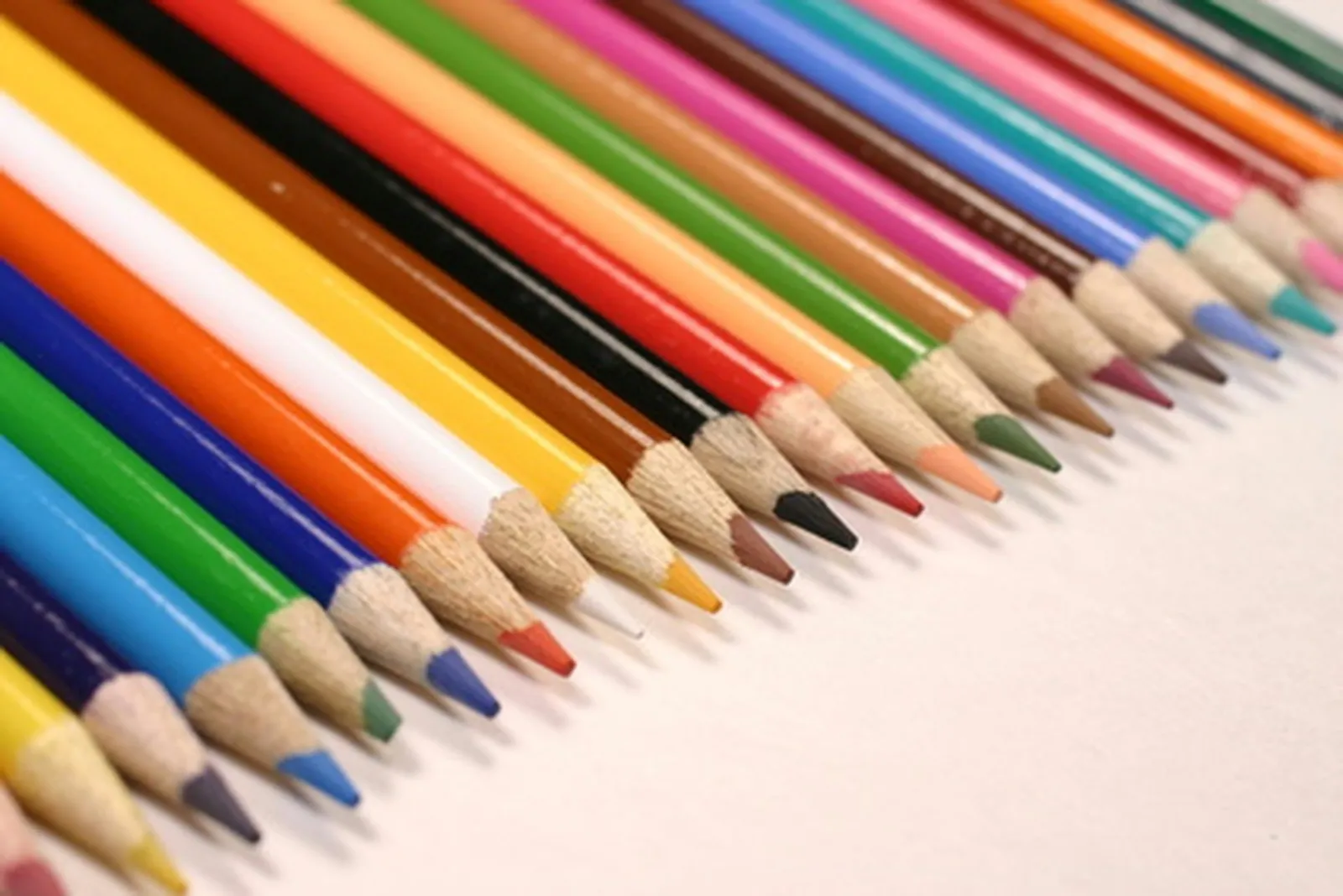
Caricature artists often use colored pencils.
Drawing caricatures is not merely the pastime of lighthearted artists. Leonardo Da Vinci and Monet both produced caricatures. The style works by distorting the human form in ridiculous ways, commonly giving the figure a huge head atop a much smaller body, and that body is often shown in motion — skateboarding, bowling or fighting crime, for instance. Caricature has also served a satirical purpose for centuries, particularly in making political leaders look foolish, and its history is both lengthy and rich.
Choosing Paper
A non-bleeding paper is the better choice, since it keeps markers from seeping through. Color fidelity matters too. Papers made of 100 percent rag or 100 percent cotton are among the suitable options, and they handle pencil, pen-and-ink and charcoal well. Pads and spiral notebooks are common formats for buying paper. Should you intend to sell the finished caricature, look for perforated sheets; tearing from a spiral otherwise leaves a jagged edge.
Drawing Tools: Markers or Pencils
Brush markers and colored pencils are frequent choices among caricature artists, though charcoal is another possibility. A brush pen's tip has some give, gliding across the paper and producing brush-like marks while avoiding the complications of paint. In effect, brush pens sit somewhere between painting and pen-and-ink drawing. They are also waterproof and do not bleed. Various colors are available for both brush pens and pencils, yet a caricature drawn only in black and white is equally viable.
Using an Easel
An easel is optional rather than required, but it simplifies caricature work considerably. Options include full-size standing models and table-top versions, the latter usable on a table or resting on the artist's lap. With an easel, the artist can keep attention fixed on the subject, living or not.
Working With a Subject
Most caricature artists draw from a living person nearby or from a photograph. Talking with the subject helps reveal her interests and activities. If superheroes are a favorite, for instance, you might depict her in a superhero costume or in flight. If the ocean appeals to him, a surfboard could be placed in his hand. Personalizing the caricature so it fits that specific person is the goal. Before putting ink to page, listening matters a great deal. When only a picture is available, you can ask whoever provided it some questions, or study the photo closely for clues about the person.