Cardboard as a Canvas: Oil Painting on an Everyday Material
Numerous renowned painters, such as Picasso, Miro, Vuillard, Toulouse-Lautrec, and Degas, have created oil paintings on cardboard. This support is inexpensive and easy to obtain, and despite not being ideal for oil paint, many such works have endured in museum collections for more than a century.
By Sage Campbell
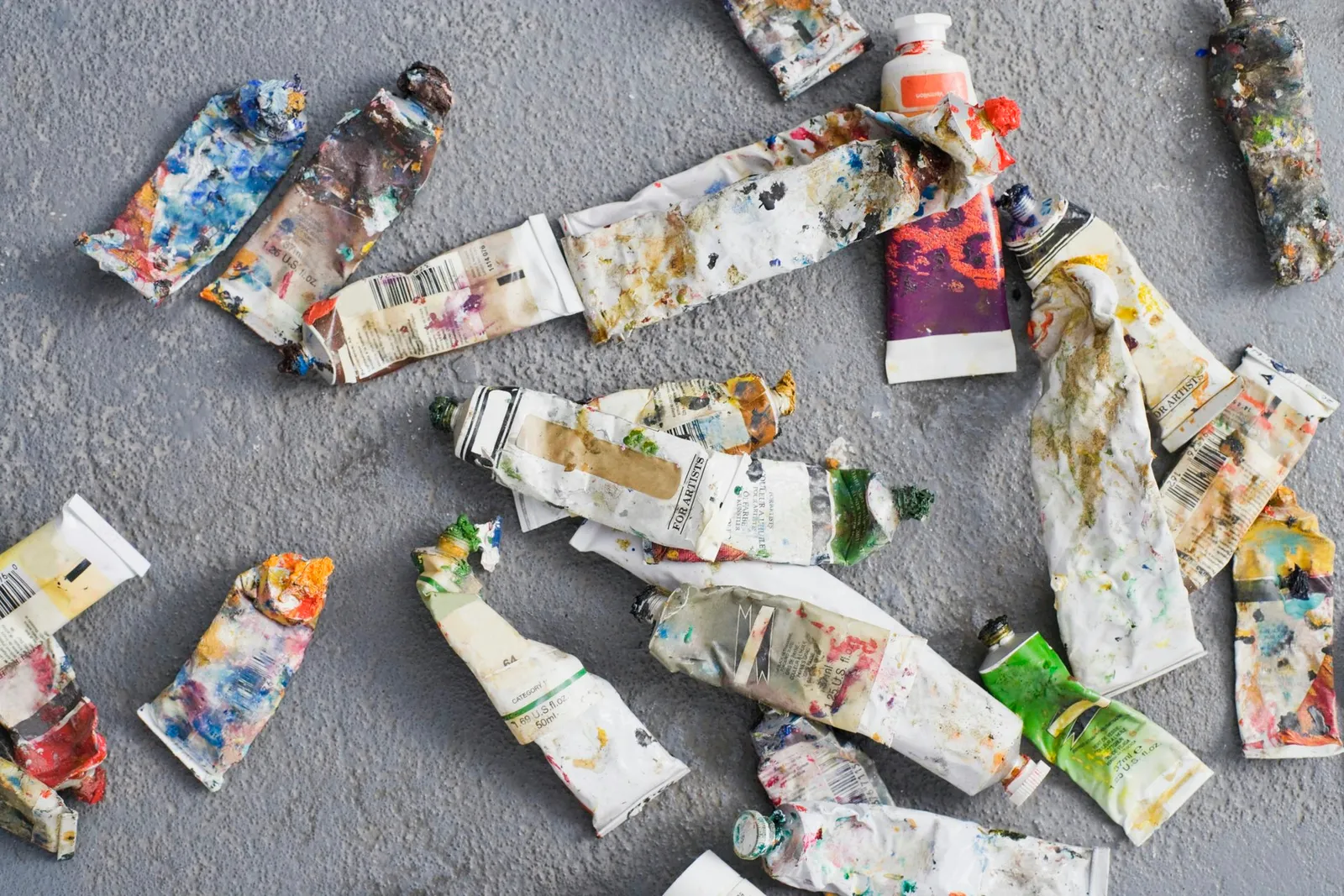
Oil paint studies and sketches can be done on cardboard.
Cardboard has served as a painting surface for several well-known artists, among them Picasso, Miro, Vuillard, Toulouse-Lautrec, and Degas. The material is low-cost and widely accessible. Although it is not the most suitable support for oil painting, numerous fine art pieces on cardboard have been preserved in museums for over a hundred years.
What Is Cardboard?
In painting, the surface that holds the artwork is referred to as the support. The term cardboard covers a wide range of paper-based products. These span from costly, high-quality, 100 percent cotton-rag museum and illustration boards to inexpensive, ordinary brown corrugated boxes. The more expensive archival type, known as cartón, is acid-free and has been treated with epoxy resin or other substances to improve its stability and lifespan. On the other hand, cheap cardboards contain lignin from wood pulp as well as acids left over from production, which lead to deterioration.
Practical Applications
Artists turn to cardboard for making quick oil studies and detailed sketches. Such studies act as helpful references and visual guides when working on large, intricate compositions. Lower-cost cardboard is a suitable support for practicing brushwork and trying out new materials. It works well for disposable experiments, color swatches, and value scales. For children, cardboard from cereal boxes or packing materials can serve as a starting point for learning oil painting fundamentals.
Getting the Support Ready
To keep cardboard from warping and soaking up too much oil from the paint, most artists apply a primer. Excessive oil absorption into the paper speeds up its deterioration. You can purchase pre-treated cardboard or apply acrylic gesso yourself. Put on a thin layer of gesso; otherwise, the water in it may cause the cardboard to curl and become wavy. To size the paper, brush on a coating of gelatin, resin, shellac, or polyvinyl acetate glue. Applying sizing to the back side of the cardboard helps prevent distortion.
Visual Outcomes
Cardboard was a preferred surface for many French Impressionist painters when creating finished pieces. They valued its texture and the warm brown tone of the background. The cardboard was intentionally left visible through the paint layers and became part of the painting's composition. When oil paint is used on an unprimed cardboard support, the oil gets absorbed, resulting in a smooth, matte finish that artists found appealing. In some cases, artists glued pieces of cardboard onto oil paintings to make papier collé, or paper collage works.