Baking Soda and Other Household Items for Septic Line Maintenance
Septic systems can be maintained with DIY mixtures containing vinegar, baking soda, lemon juice, sugar, and cornmeal. Commercial biological additives are also available in various forms that can be flushed down the toilet.
By Alex Ross
How to Use Baking Soda to Clean Septic Lines
To keep a septic system functioning well and support the bacteria that break down household waste, routine treatments and cleanings are helpful. If your home relies on well water and lacks an incoming water meter, you are not billed for sewer services since a septic system is in place rather than a municipal sewer connection.
Treating Your Septic Tank
Monthly treatment of septic tanks is often advised by professionals, and certain DIY recipes can be effective. These same professionals caution against hydrogen peroxide. Although it does not harm the tank or its contents, it can break down soil components and may reduce the drain field's capacity to absorb and filter wastewater.
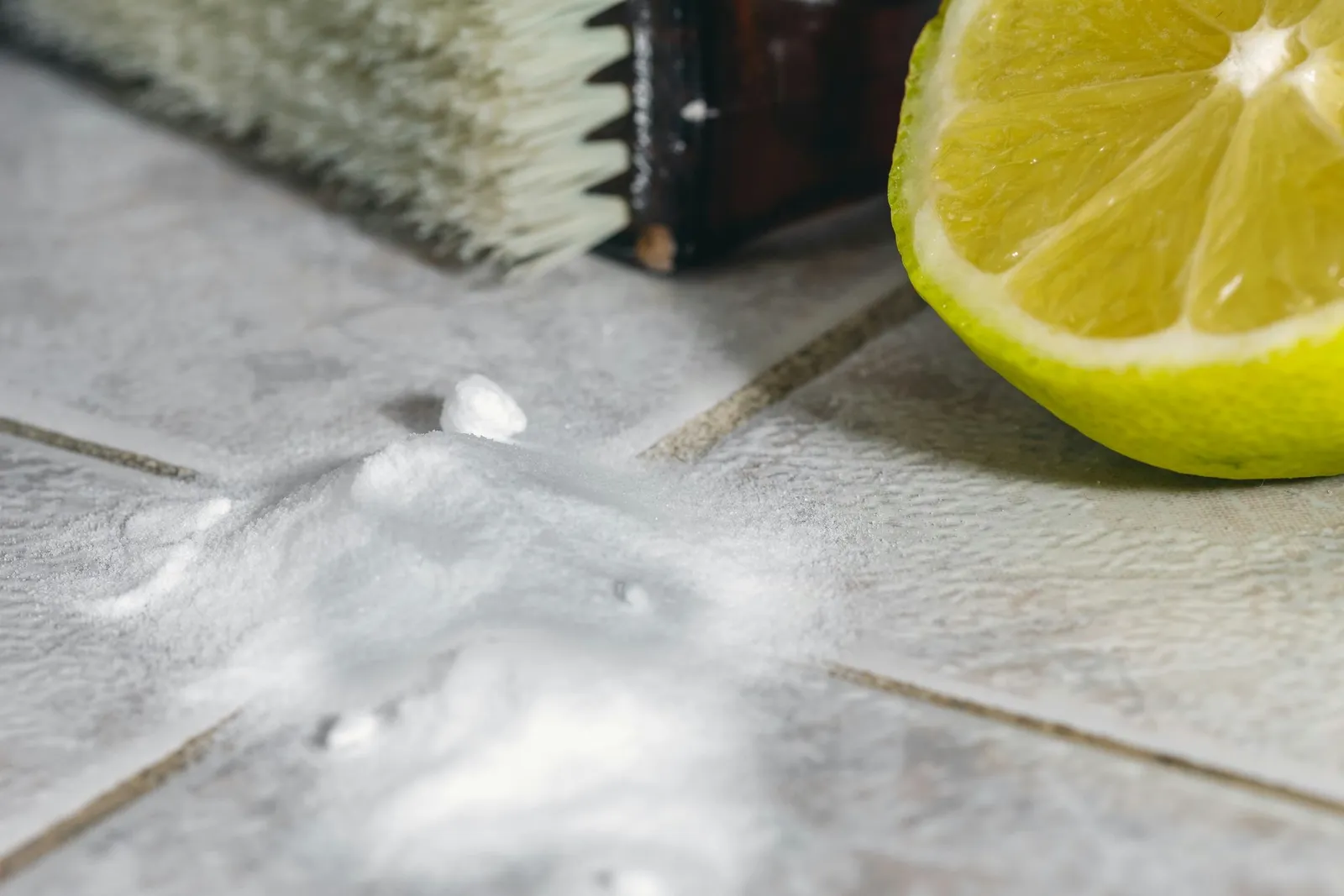
Instead of hydrogen peroxide, baking soda can be used in septic tank treatments, and the blend can be poured directly into a toilet as a cleaner. Combine 1/4 cup of baking soda with 1/2 cup of vinegar and pour it in. Adding 2 tablespoons of lemon juice will cause the mixture to fizz. This not only cleans the toilet but also acts as a septic-safe drain deodorizer and helps clean septic lines. It is a natural cleaner that won't disturb the beneficial bacteria in your septic system.
A Homemade Septic Tank Treatment
To make a natural septic tank treatment, bring 1/2 gallon of water to a boil in a large pot and stir in 2 cups of sugar. Let the water cool to room temperature, then add 2 cups of cornmeal. The cornmeal will absorb quickly, and you can stir it in. Next, add three packets of dry yeast and mix again.
Carry this mixture to your bathroom and flush it down the toilet. After the water returns to the bowl, flush a second time to send everything into the septic tank. Avoid flushing the toilet again for at least five hours, then flush once more to help mix the contents in the tank. This can be done roughly every six months. This solution also serves as a septic-safe drain deodorizer and an effective treatment.
Septic Tank Treatment Products
According to experts, biological additive treatments are the optimal method to foster healthy, natural bacterial ecosystems, functional drain fields, and improved local groundwater quality. If you prefer not to use household items for septic tank treatment, there are effective commercial options to consider. Select products sized appropriately for your septic tank, as indicated on the label.
Biological-additive septic tank treatments are available as liquids, pods, powders, and tablets. Like homemade treatments, they can be flushed directly down toilets. Some frequently recommended choices include Cabin Obsession Septic Tank Treatment, Instant Power 1868 Septic Shock, and Green Boggler SEPTIC SAVER Bacteria Enzyme Pacs. However, if these cleaning or treatment approaches do not seem to resolve issues and your system appears clogged or emits odors, contacting a plumber is the best course of action.