Common Reasons Your Dishwasher Leaves Dishes Dirty
A dishwasher is supposed to take the effort out of washing up, but a load can still come out grimy after a full cycle. Several things, from the wash setting and water heat to detergent choice and clogged components, can determine whether the results are spotless or disappointing.
By Avery Howard
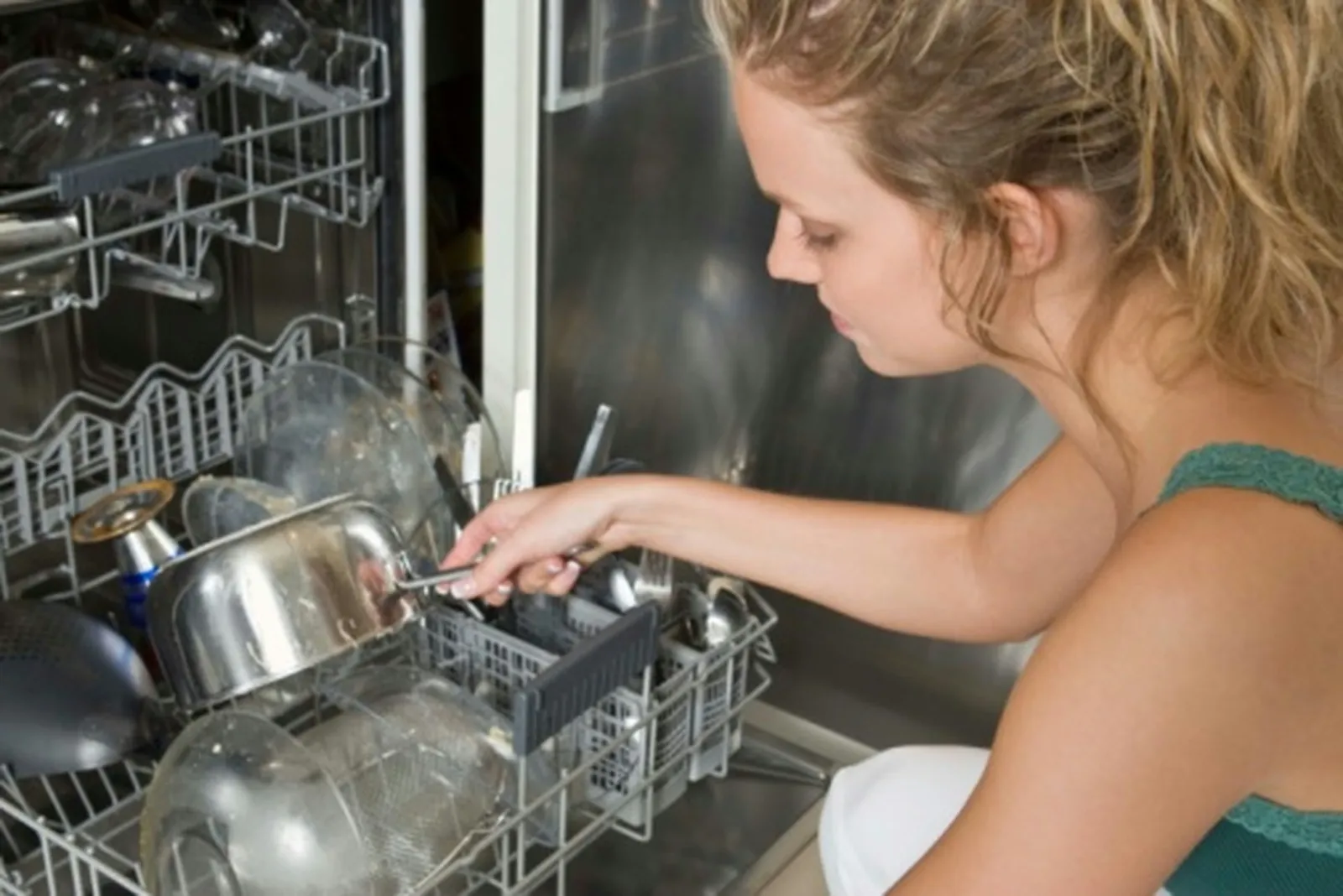
Inspect your dishwasher to figure out why the dishes are still dirty.
Dishwashers are meant to simplify cleanup: load the machine, add detergent, and let it handle the job. Even so, a cycle can finish with dishes that are still soiled. Whether a load comes out clean or not depends on several different factors.
Choosing the Wrong Wash Cycle
A shorter wash cycle uses less water and energy, but it might not deliver the cleaning results you expect. Such cycles are designed for lightly soiled items, so when a load needs deeper cleaning, select a full wash cycle instead. Before loading, remove leftover food and debris, and give the dishes a rinse under hot running water.
Water Heat
The temperature of the water matters for clean dishes. Cool or merely warm water does not clean as effectively as hot water. Verify that the dishwasher's water temperature setting is set to hot. Also inspect the hot water tank in your house; it should be set at roughly 120 degrees Fahrenheit.
Detergent Selection and Amount
Detergent plays a key role in getting dishes clean, and using the wrong kind or quantity can leave them dirty. Follow the label and use only the recommended amount. Choose a detergent made for automatic dishwashers. In areas with hard water, a little extra detergent may be needed to achieve clean dishes. Test strips are available to determine whether your water is hard or soft, so you can adjust detergent levels to match.
Clogged Filter, Spray Arms or Detergent Dispenser
At the bottom of the dishwasher is a filter. Inspect it and remove any debris or buildup that has collected there. When the filter is clogged, water cannot circulate freely, which may result in dirty dishes.
Buildup can also block the spray arms. These are typically found at the bottom of the dishwasher, though some models have one at the top as well. Clear anything stuck in the spray arms using a toothpick or similar tool.
To remove soap buildup, scrub the detergent cups with an old toothbrush and hot, soapy water. If the cups are caked with grime, they may fail to open properly or at the correct time, leaving dishes dirty.
Additional Causes
A dirty or faulty drain valve can prevent dishes from being cleaned properly. This valve is what allows dirty water to leave the machine. Inspect the drain valve and confirm it is free of debris. If you can hear water running through the drain pipes attached to the dishwasher, the drain valve may be defective and need replacing.
Loading the dishwasher correctly helps the spray arms and other components work as intended. Keep dishes from obstructing the spray arms, and leave enough room between items so water can flow through.
Minerals from tap water can accumulate on the heating elements and other internal parts over time. To remove these mineral deposits, put white vinegar in the detergent dispenser and run a full wash cycle.