Italian Renaissance Residences: A Look at Their Building Materials
Filippo Brunelleschi is widely regarded as the first architect of the Italian Renaissance, a style that began in the 15th century and later appeared in American house designs during the early 1900s. The construction of such homes typically involved stucco, stone, marble, and terracotta, combined with classical elements like columns, domes, arches, pediments, and pilasters.
By Rowan Rivera
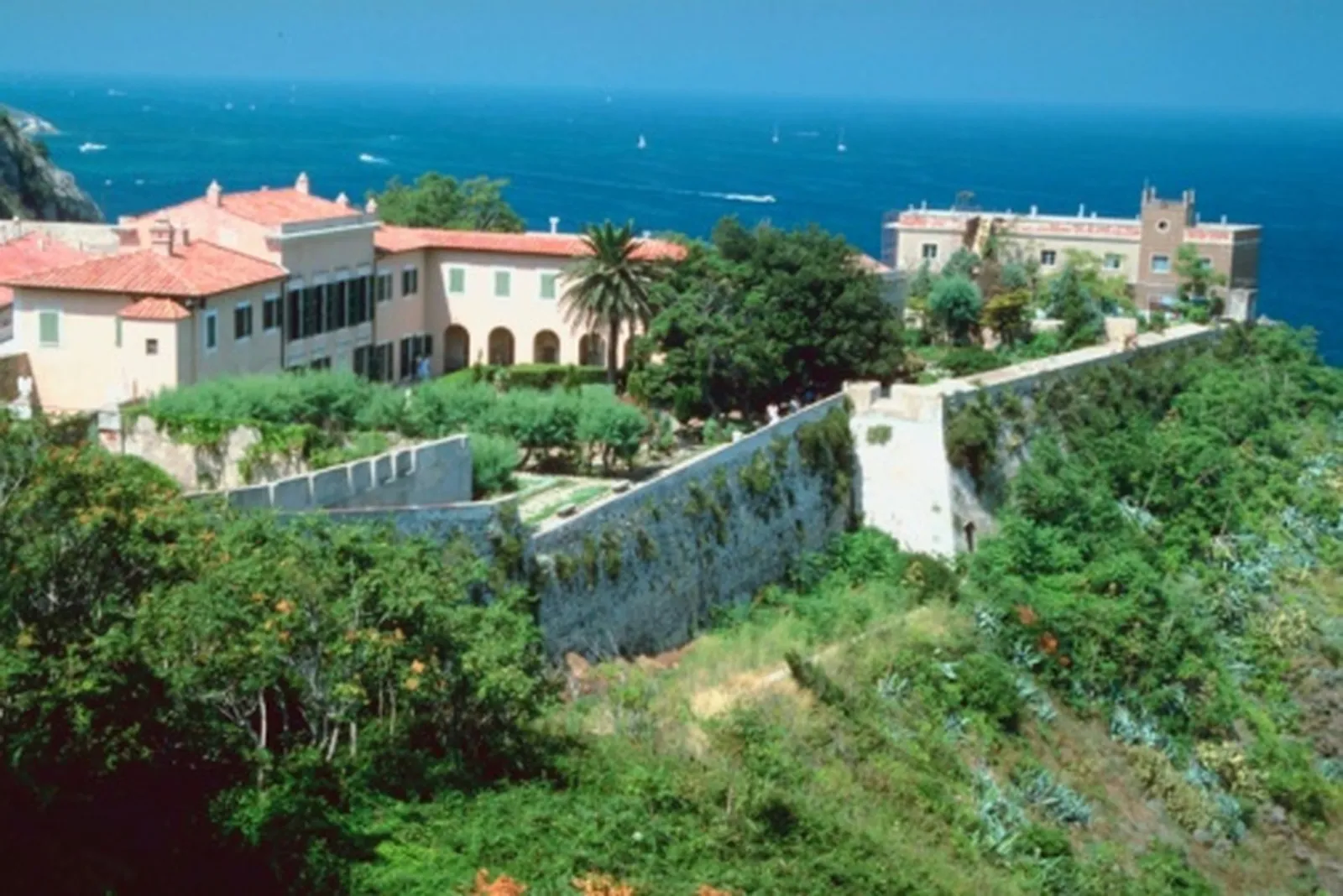
Stucco is a common exterior for Italian Renaissance style homes.
Filippo Brunelleschi is commonly acknowledged as the earliest architect of the Italian Renaissance, with the style emerging in the 15th century. Early in the 20th century, American house plans began to incorporate elements of Italian Renaissance design. This architectural approach features robust classical Roman components such as columns, domes, arches, pediments, and pilasters. For construction, materials like stucco, stone, marble, and terracotta tile are characteristic.
Exterior
Stucco and stone are frequently employed in building the exterior of an Italian Renaissance home. A typical roof is low-pitched and hipped—meaning all sides slope down toward the walls—and covered with terracotta tiles. Decorative brackets that support boxed eaves with moderate overhangs are a notable element. The overall design is symmetrical, often including recessed porches with arched openings, along with classical columns, pilasters, and pediments.
Interior
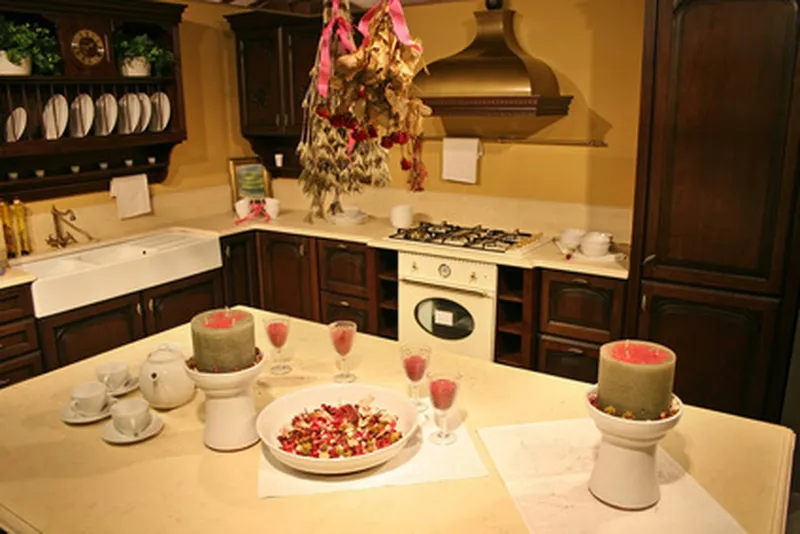
Floors in Italian Renaissance homes often consist of planked or parquet hardwood, marble, or terracotta tiles. Area rugs are used to add warmth and comfort to these surfaces. Wall-to-wall carpeting is rarely found in this style. Marble is used for countertops, fireplace mantels, and columns to enhance the ambiance. Scagliola serves as a more affordable alternative to natural marble. Venetian plaster, a decorative form of stucco, is applied to walls to introduce texture.
Lighting
Lighting fixtures in Italian Renaissance construction commonly use wrought iron, distressed copper, bronze, and cast iron. Twisted metal chandeliers, antique wall sconces, and hanging lanterns are typical complements to the decor. Table or floor lamps made of wrought iron or copper are both practical and consistent with the design.
Vizcaya
Vizcaya, a estate in Florida, stands as one of the most renowned and intricate examples of an Italian Renaissance home in the United States. Industrialist James Deering began constructing his dream residence in 1914 in Miami, Florida. Inspired by an Italian Renaissance palace, the entire building was made of concrete to resist hurricane winds. Steel-reinforced floors were resistant to decay and termites. Clay tiles sourced from old Cuban homes were transported to Florida and used for the roof.