How to Match Lamp Height to Different Tables
Picking a lamp involves more than just style—its dimensions need to suit the table it sits on and the purpose it serves. Whether for a side table, nightstand, dining table, or desk, the right proportions help the fixture look intentional rather than out of place. This guide outlines height and placement suggestions for each setting.
By Jamie Williams
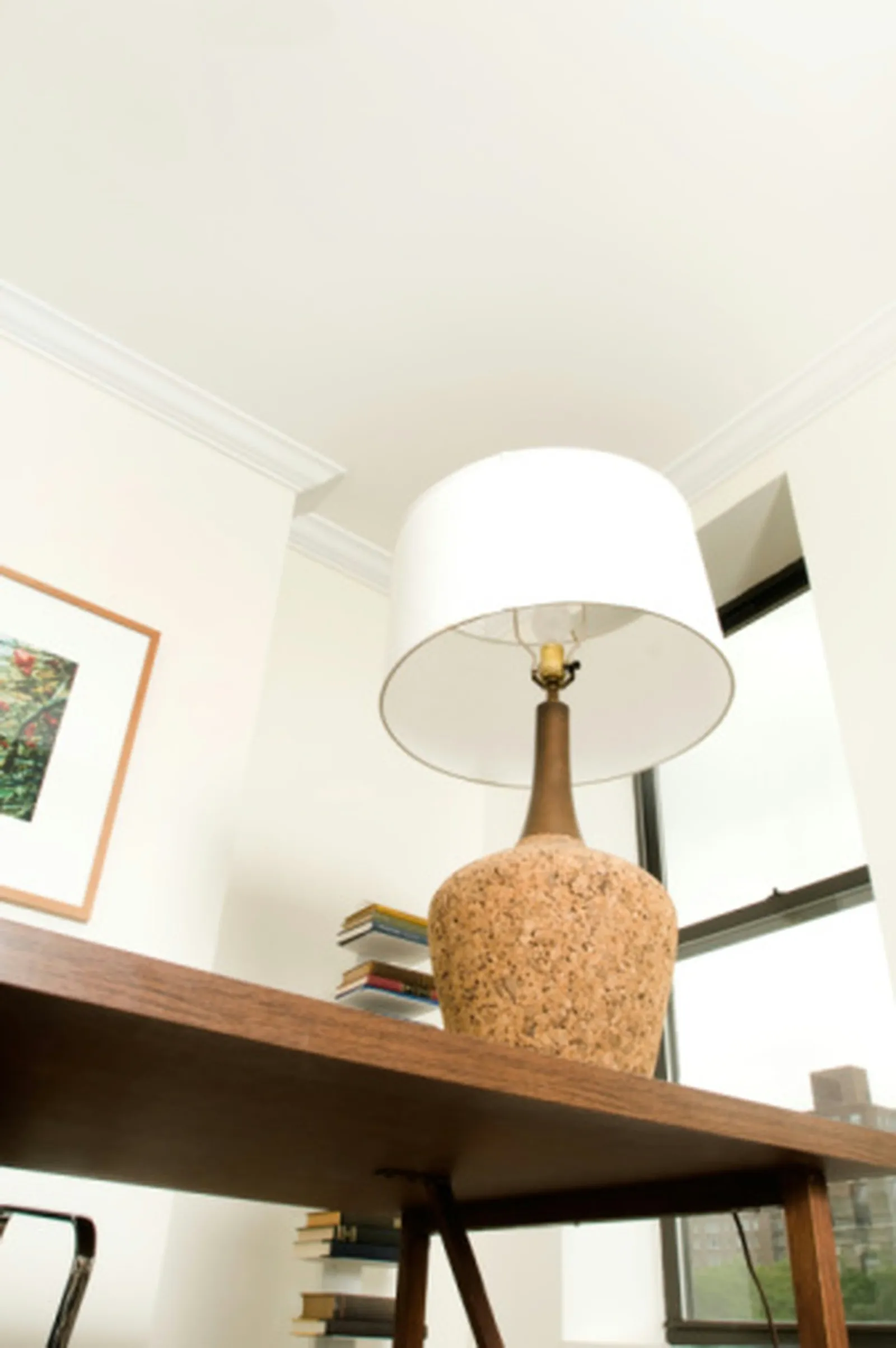
Lamps should be gauged not only by their height and width, but by where their light falls.
Beyond providing illumination, lamps can act as decorative accents within a room. They contribute atmosphere and a finished look, provided they are sized appropriately. Several factors determine how tall a lamp should be: the room itself, the dimensions of the table beneath it, and what the light is needed for. What matters most is that the lamp's size relates well to the surrounding furnishings.
Accent or Side Tables
When a small accent or side table is the surface, a more petite lamp tends to look right. For a side table with a slim, delicate design, a slender candlestick-style lamp works well. The base of the lamp should also be proportioned to a smaller table; an overly wide base risks being knocked off with ease. Should the side table sit beside a chair, the lamp's height becomes a consideration. Jamie Young, a lighting designer based in Los Angeles, told the Real Simple website, "You don't want to be looking up into the hardware." Her recommendation for checking whether a lamp is the right height is to take a seat on the sofa or chair beside it, adding, "The bottom of the shade shouldn't fall higher than eye level."
Bedside Tables
A larger lamp—both taller and wider—can suit a bedroom that is fairly spacious and a bedside table bigger than an accent table. For a lamp on a bedside table, 29 inches in height is typically a suitable figure. According to William Miller Design, a lamp placed next to a bed "should be tall enough to be able to read a book comfortably, but not so tall that it looks out of proportion with the headboard or nightstand that it is placed on."
Dining Tables
Above dining tables, pendant lamps and chandeliers are the fixtures seen most frequently. Where the lights are placed and how high they hang in a dining room is determined by the size of both the table and the room. In a smaller room, suspending a lamp closer to the table can produce a cozy, intimate atmosphere. Over a long table, a chandelier positioned nearer the ceiling can lend a grand appearance. In a room with an 8-foot ceiling, the Heavenly Lights website states, "The general rule is that the bottom of the light fixture should hang between 30 and 34 inches off of the tabletop."
Writing or Work Desks
Lighting on a desk typically functions as task lighting or reading light. It needs to sit near enough to the work area to supply adequate light. A number of table lamps designed for desks are shorter and come with a swing arm, which helps aim light toward the area being focused on. CSN Lighting advises on its website that the light source within a desk lamp be positioned 16 inches above the surface and 13 inches back from the front edge of the desk.