How Horizontal and Vertical Bidets Differ
Bidets are bathroom fixtures shaped like toilets, frequently seen in European and Asian countries but less so in the United States, though they do appear in some American homes, particularly upscale ones. They are designed to support personal hygiene.
By Finley Davis
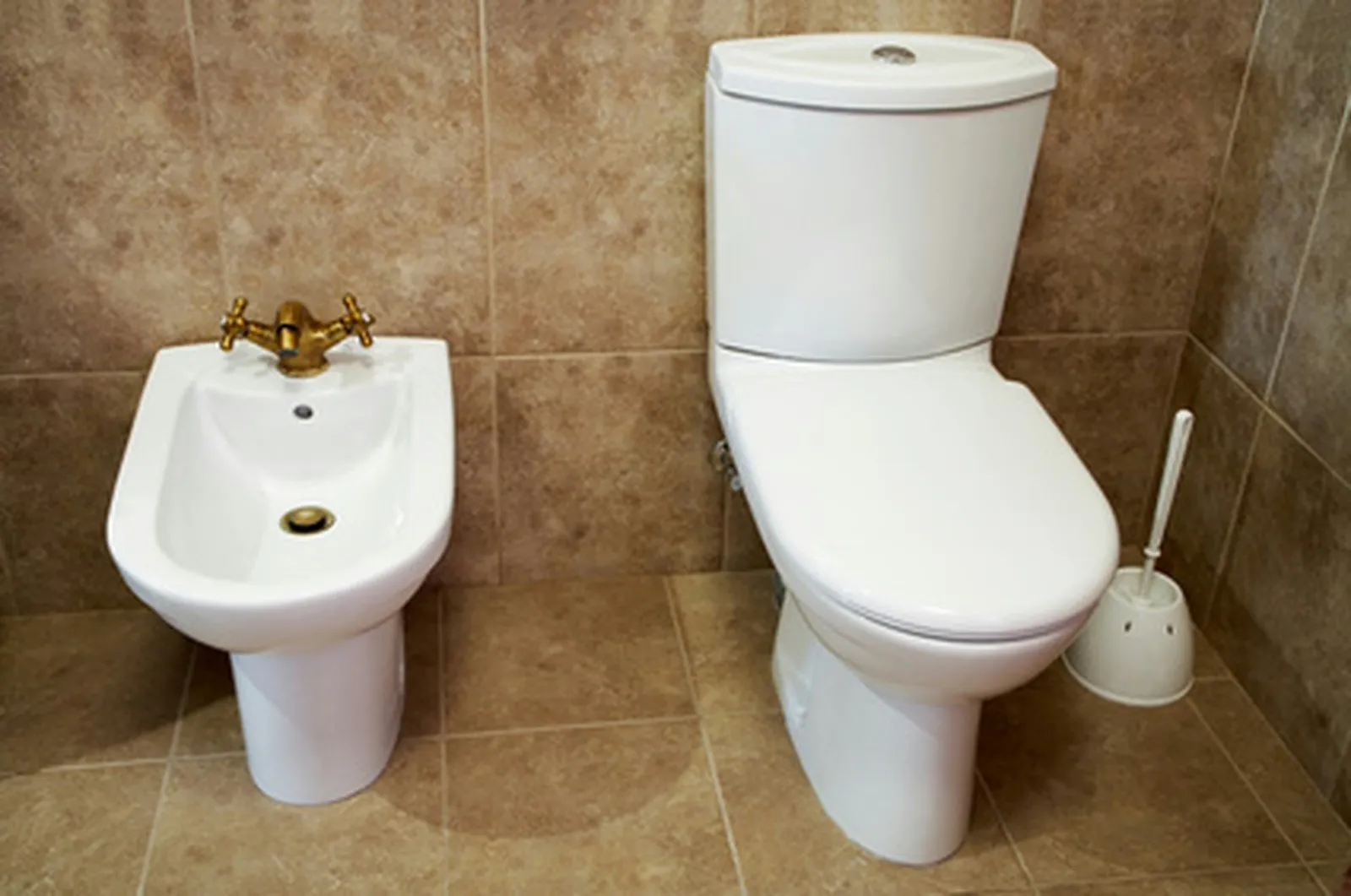
Bidets are mostly found in European countries.
In many bathrooms across Europe and Asia, bidets are a standard fixture, resembling the shape of a toilet. They are less widespread in the United States, yet some residences, especially high-end ones, still feature them. The purpose of a bidet is to promote personal cleanliness.
What a Bidet Is
A bidet is essentially a wash basin designed for cleaning the genital area after using the toilet. Typically standing about 15 inches high, it allows a person to sit astride. Although bidets are available in numerous designs, they nearly always feature either a horizontal or a vertical water spray. As Bathroom Design Guide notes, "Washing is more effective and more soothing than toilet paper and is advised by health practitioners and doctors for people who suffer from haemorrhoids in particular, since toilet paper can be an irritant."
Horizontal Models
The spray direction is the sole distinction between a horizontal bidet and a vertical one. In a horizontal bidet, a spout extends over the rim, resembling a sink faucet. Water is sprayed sideways to rinse the genital area. This kind of bidet can also be stoppered and filled with water.
Vertical Models
Vertical bidets work differently: a fountain jet sits in the middle of the bowl and sends water upward for washing. Beyond traditional vertical bidets, upward sprays are also present on more recent electronic bidet units that mount on top of toilets.