Mounting Heavy Items on Concrete Masonry Units: A Step-by-Step Guide
When securing a heavy object to a cinder block wall, you need to drill into the block and set an appropriate anchor. The anchor's load rating must be sufficient to support the object's weight.
By Reese Young7 steps
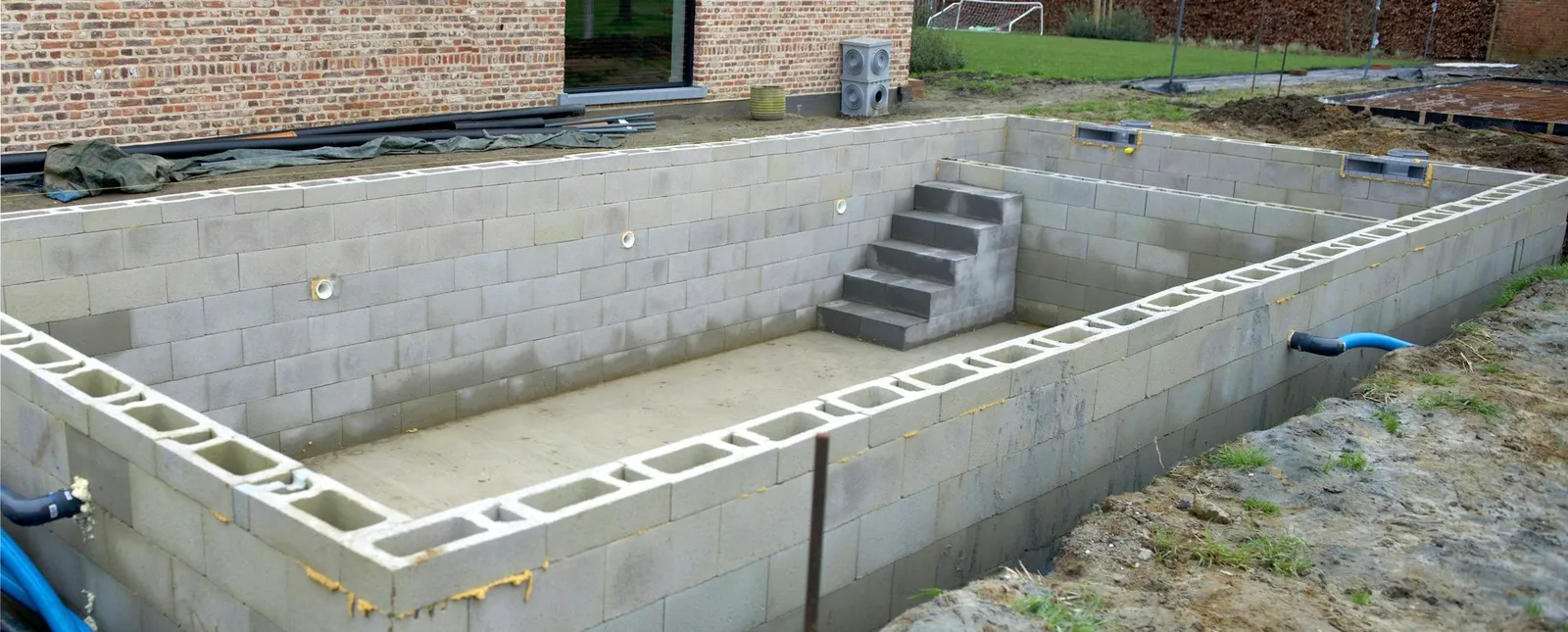
How to Hang a Heavy Object on a Cinder Block Wall
For an anchor to effectively support a heavy object on a cinder block wall, it must firmly engage the sides of the pilot hole. Spring-loaded wing anchors, designed for heavy loads, secure objects against the hollow sections of the block, while wedge-type anchors fasten objects to the solid webbing of the cinder block.
Do not place the anchor for a heavy object within 1 inch of a mortar joint in the cinder block. To safely support heavy objects on a cinder block wall, use multiple anchors whose combined rating exceeds the object's weight by 400 percent. For instance, two anchors each rated at 100 lbs. can safely hold an object weighing 50 lbs.
Step 1: Mark the Anchor Placement
On the cinder block wall, use a pencil to mark where the anchors will go and their spacing, guided by a tape measure and bubble level. The placement and spacing depend on the specific requirements of the heavy object. Take care with measurements because certain anchors, like wedge-style ones, become permanent once installed.
Step 2: Install Masonry Drill Bit
Fit an electric hammer-drill with the masonry drill bit that comes with an anchor kit. Anchor kits include the correct size masonry bit for the anchor's pilot hole.
Step 3: Drill Holes in Cinder Block
Using the hammer-drill and masonry bit, bore the pilot holes into the cinder blocks at the marked locations. If the bit breaks through the block's surface and enters a void, use a spring-loaded wing-style anchor to hang the heavy object. If the bit stays in solid material beyond a depth of 1 1/4 inches, use a wedge-style anchor.
Step 4: Remove Dust from Holes
Blow dust out of the pilot hole using compressed air.
Step 5: Prepare the Anchor for Installation
Put the anchor together. For spring-loaded wing-style anchors, thread the anchor's bolt into the hinged side of the retaining nut. The wings fold over the retaining bolt. For a wedge-style anchor, screw the bolt onto the anchor's threads.
Step 6: Install the Anchor
Insert the end of the anchor opposite the bolt into the pilot hole. For wing-style anchors, squeeze the wings and push the anchor into the hole. The wings expand once their ends reach the cinder block's cavity. For wedge-style anchors, insert the anchor completely and tighten its bolt with an adjustable wrench until the anchor's ribs press against the sides of the pilot hole.
Step 7: Install the Retaining Device
Put the heavy object's retaining device onto the end of the anchor's bolt. If necessary, tighten the bolt further, then install the heavy object. The mounting method depends on the type and style of the object.
For example, heavy objects with a hanging wire, such as mirrors and pictures, require an anchor with an exposed bolt head. Heavy objects that use brackets, such as televisions and fireplace mantels, need anchors with the bolt tightened against the bracket's mounting surface.