Carpeting Pie-Shaped Stairs: A Step-by-Step Guide to the French Tuck Method
Pie-shaped or winding staircases demand a different carpeting approach than standard straight stairs. This guide walks through template creation, carpet cutting, and installation techniques for both bull-nosed and non-bull-nosed steps, using methods like the French tuck, with tips on material selection and potential pitfalls.
By Jamie Scott
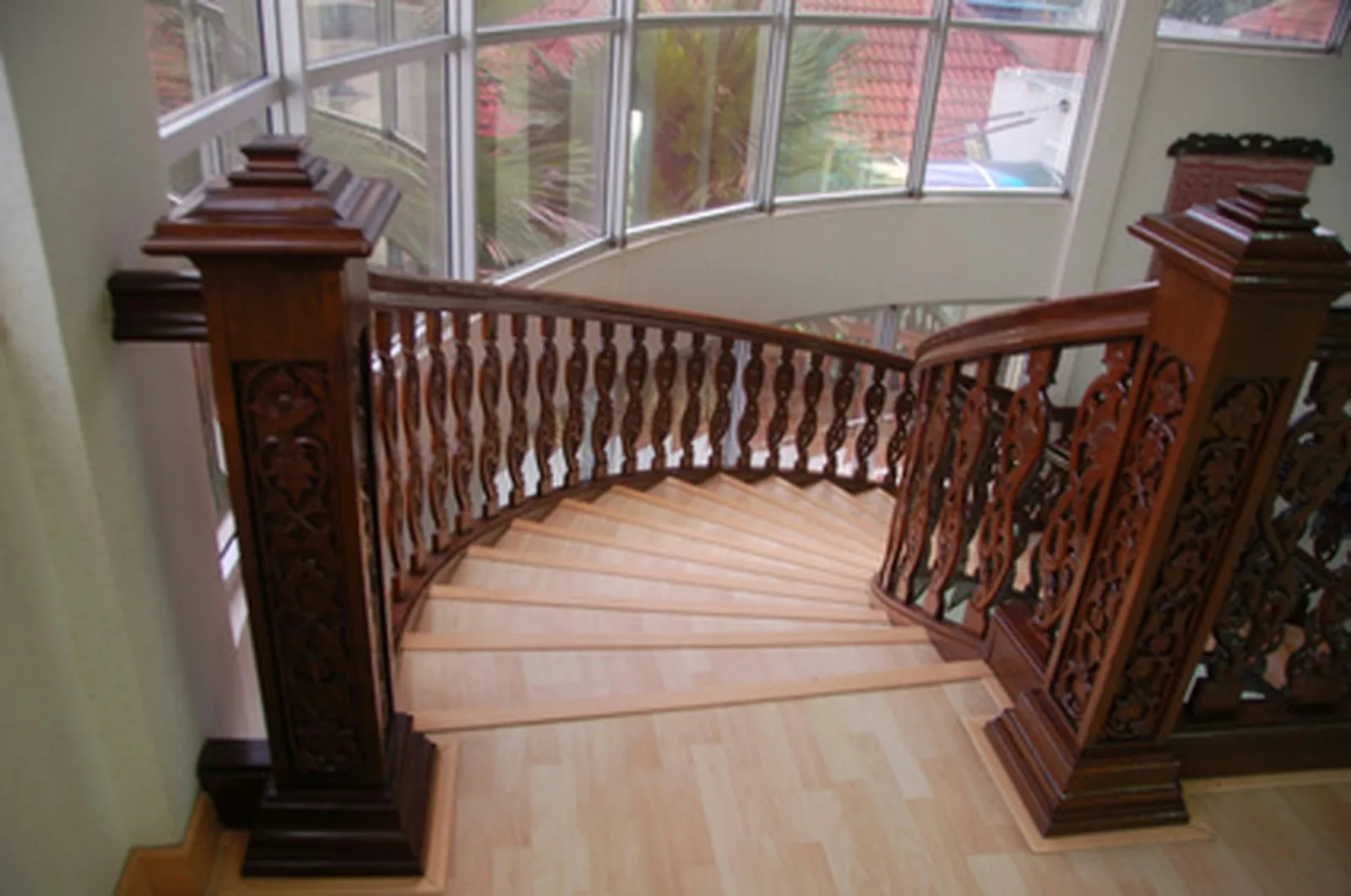
Winding staircase
Standard staircases can be carpeted in numerous ways, but winding or pie-shaped stairs call for specialized methods and additional cutting. Since you cannot run a single continuous piece of carpet over pie-shaped stairs, each step or pair of steps must be upholstered individually—this depends on whether the steps have bull-noses—using a technique often called the French tuck. This is actually advantageous. Not only are smaller carpet pieces easier to handle, but you can replace a stained section without redoing the entire staircase.
Method for Bull-Nosed Steps
Step 1
Place a sheet of newspaper on the step so it sits flush against the riser, then use chalk to mark the step's edge. Trim the paper approximately 2 inches beyond the chalk line, then reposition it on the step, creating a crease where the paper meets the riser on the underside of the bull-nose. Cut along this crease. You now have an exact template for the step.
Step 2
Using your template and a utility knife, cut carpet for the first step. Fasten the carpet at the back of the step with a tack strip, carpet tacks, or a stapler. Pull the carpet forward and under the bull-nose, then secure it. Repeat this process for each step.
Step 3
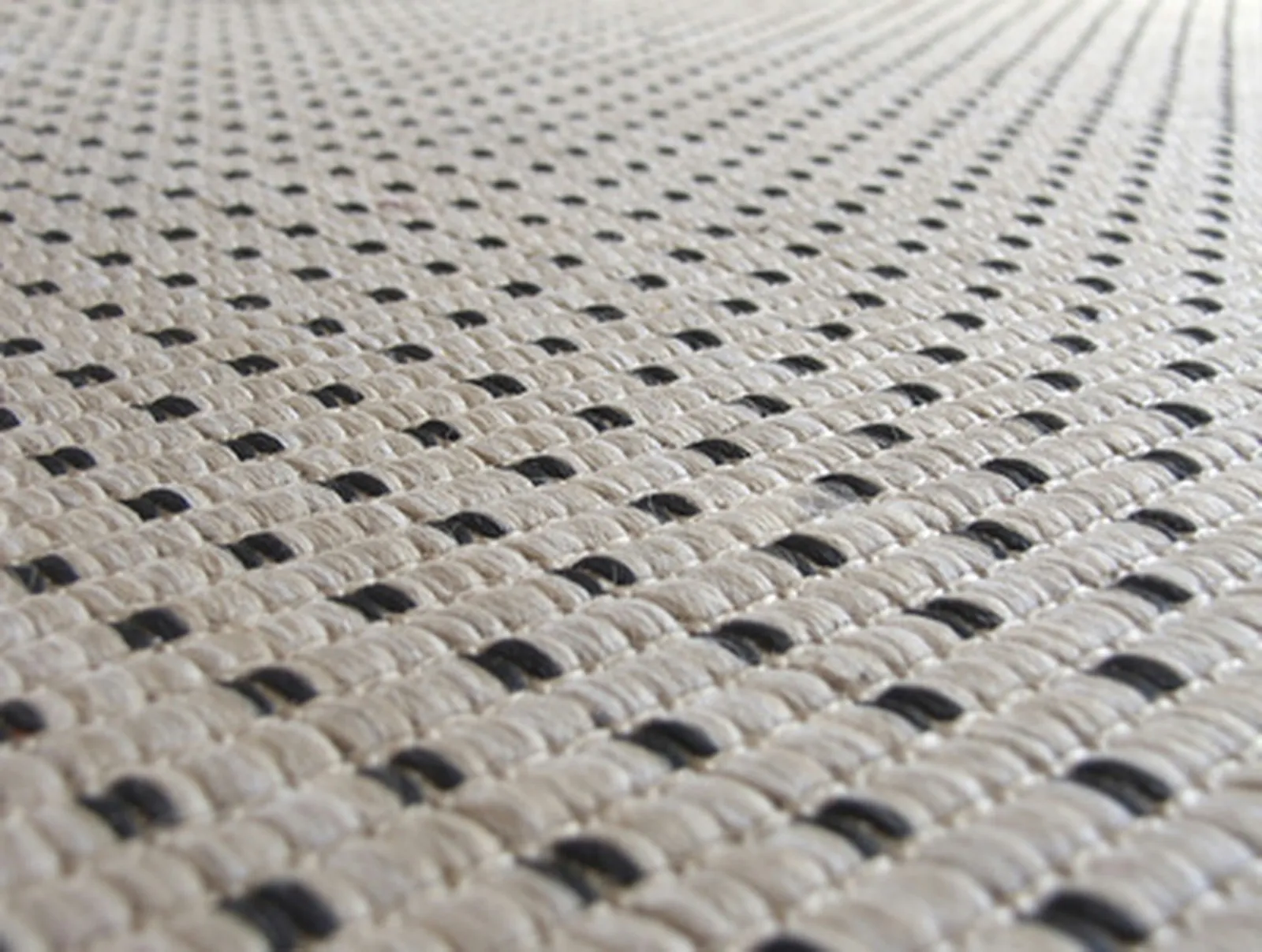
Patterned carpet
Measure the risers and cut rectangular pieces to fit. Attach carpet to the risers with hot glue or carpet adhesive to avoid visible dimpling that fasteners can cause.
Method for Steps Without Bull-Noses
Step 1
Create a newspaper template for a carpet section that will cover one step and the riser directly below it. Cut the corresponding carpet pieces and begin installation using a tack strip, carpet tacks, or staples.
Step 2
Before finishing the first step, proceed to the next lower step. This allows you to position the second tack strip and carpet before the first carpet piece is attached to the riser above. If the carpet pieces are cut accurately, the portion covering the riser will sit snugly against the carpet already installed on the lower step, making the seam almost invisible. If the first piece of carpet buckles on the riser or upper stair, trim as needed to achieve a perfect fit.
Step 3
Continue this process until installation is complete, making new newspaper templates as needed. Even if the stairs appear uniform in size and shape, verify by test-fitting your newspaper pattern before cutting a new carpet piece.