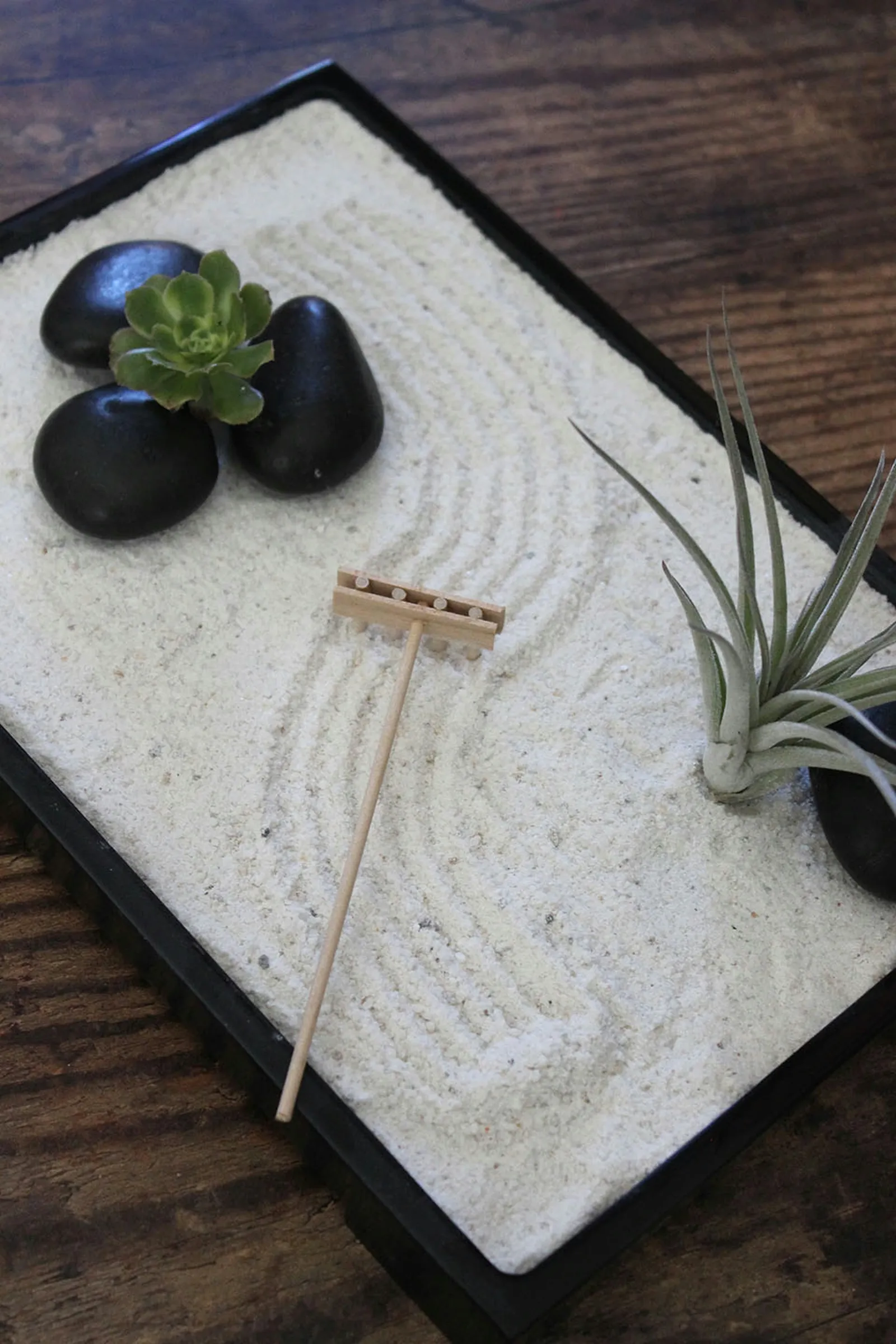
Create a Desktop Zen Garden for Everyday Calm
A compact Japanese-style garden can fit right on your desk or counter. Because the ingredient list is short — typically sand, stones, and a bit of plant life — putting one together yourself is a straightforward project that offers a hands-on way to unwind.
By Robin Watson7 steps
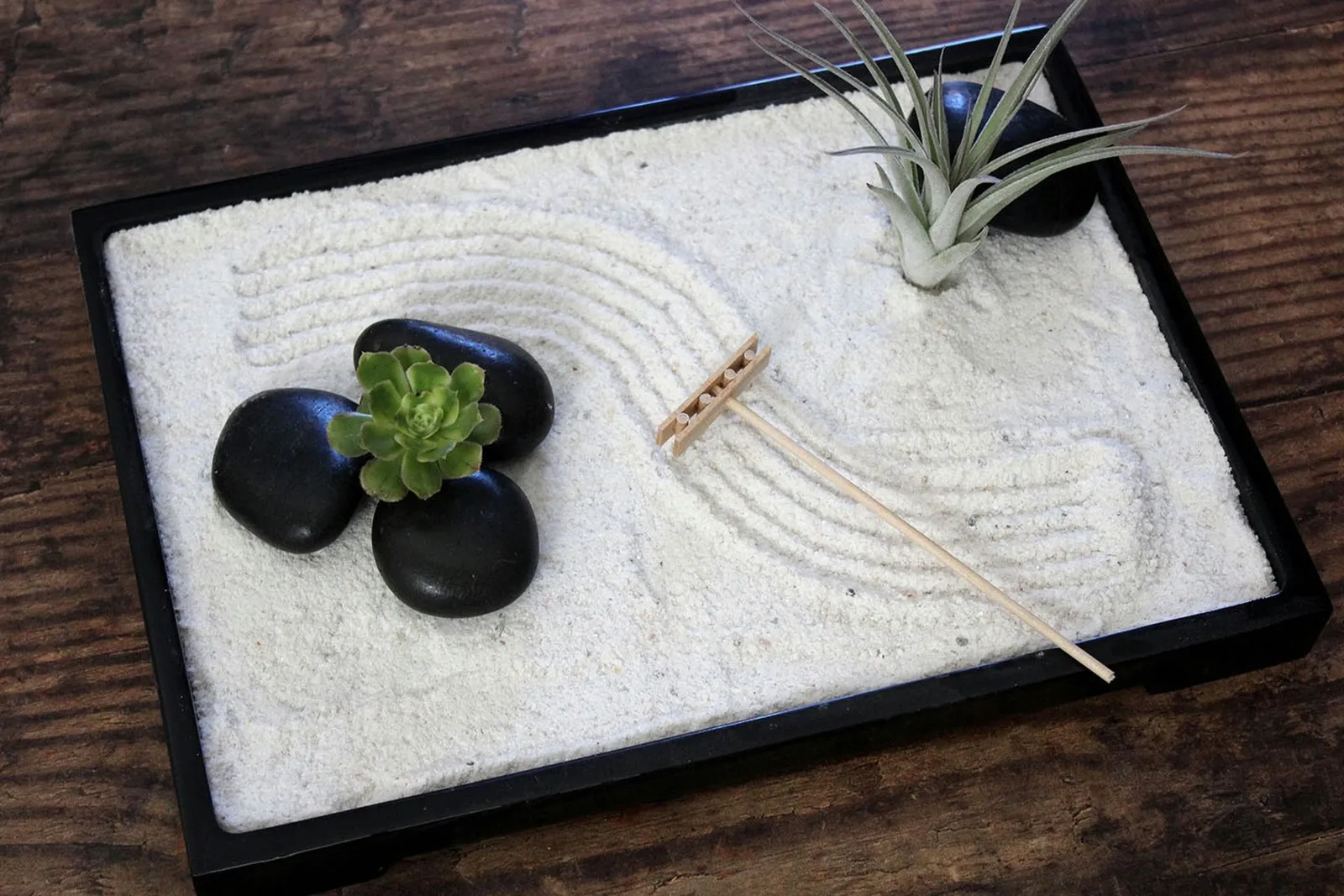
A real Japanese zen garden is built around stillness and contemplation. You can bring a similar sense of calm into your home or workspace by assembling a miniature version that sits on a tabletop. The materials are minimal, generally limited to sand, rocks, and possibly a plant, which makes the project simple to complete on your own. Raking the sand or repositioning the stones has a soothing effect, offering a practical way to reset your thoughts and ease tension during a busy workday.
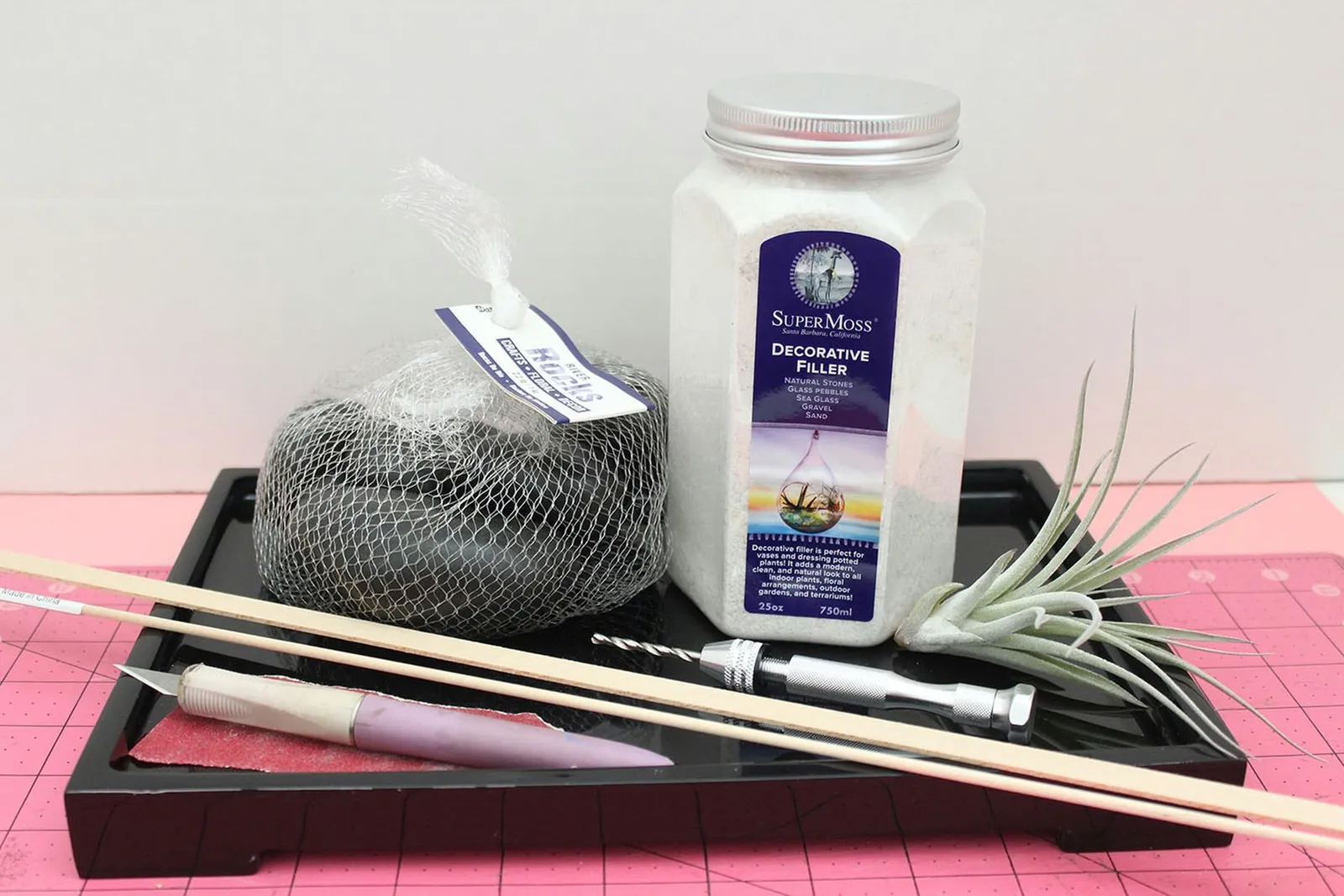
Step 1: Pick Out a Tray
Look for a shallow tray roughly half an inch deep to serve as the base of your tabletop zen garden. Bathroom vanity trays, the kind used to hold makeup on a counter, work particularly well for this purpose.
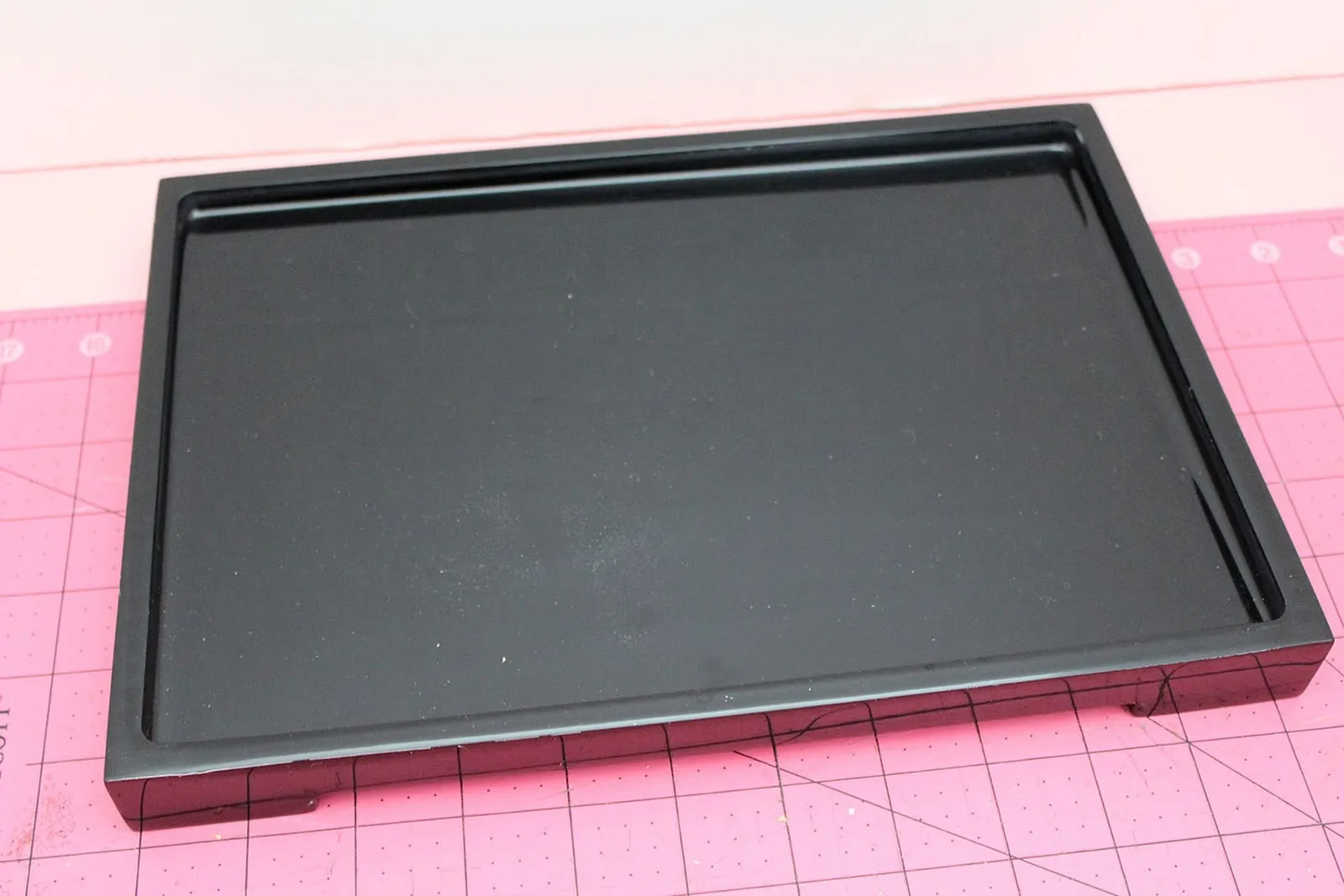
Step 2: Build a Small Rake
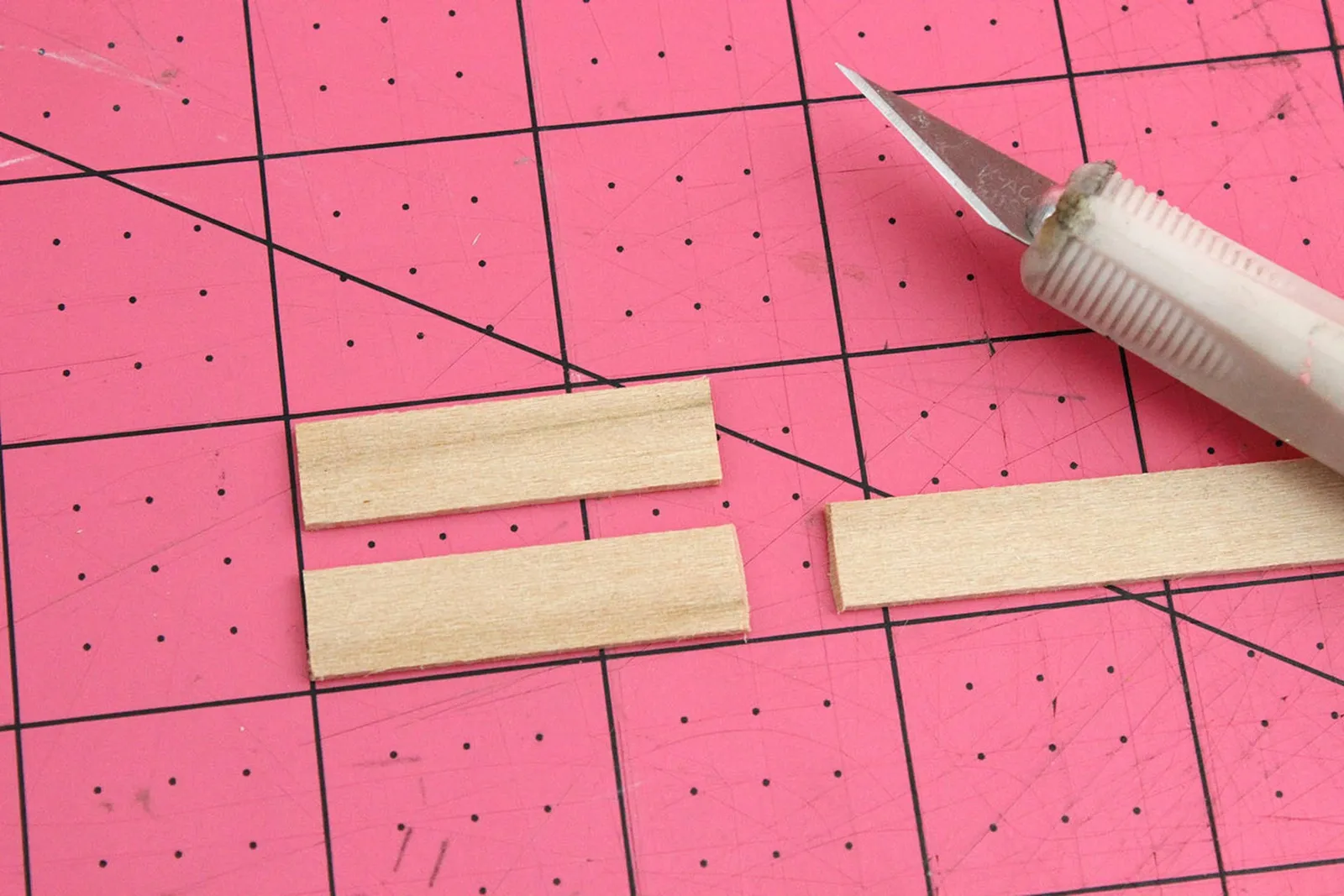
Begin with a 1/2-inch-wide strip of basswood that measures 1/16 inch in thickness; craft and hobby shops typically carry this material. Using a craft knife, cut two pieces, each 1 1/2 inches in length.
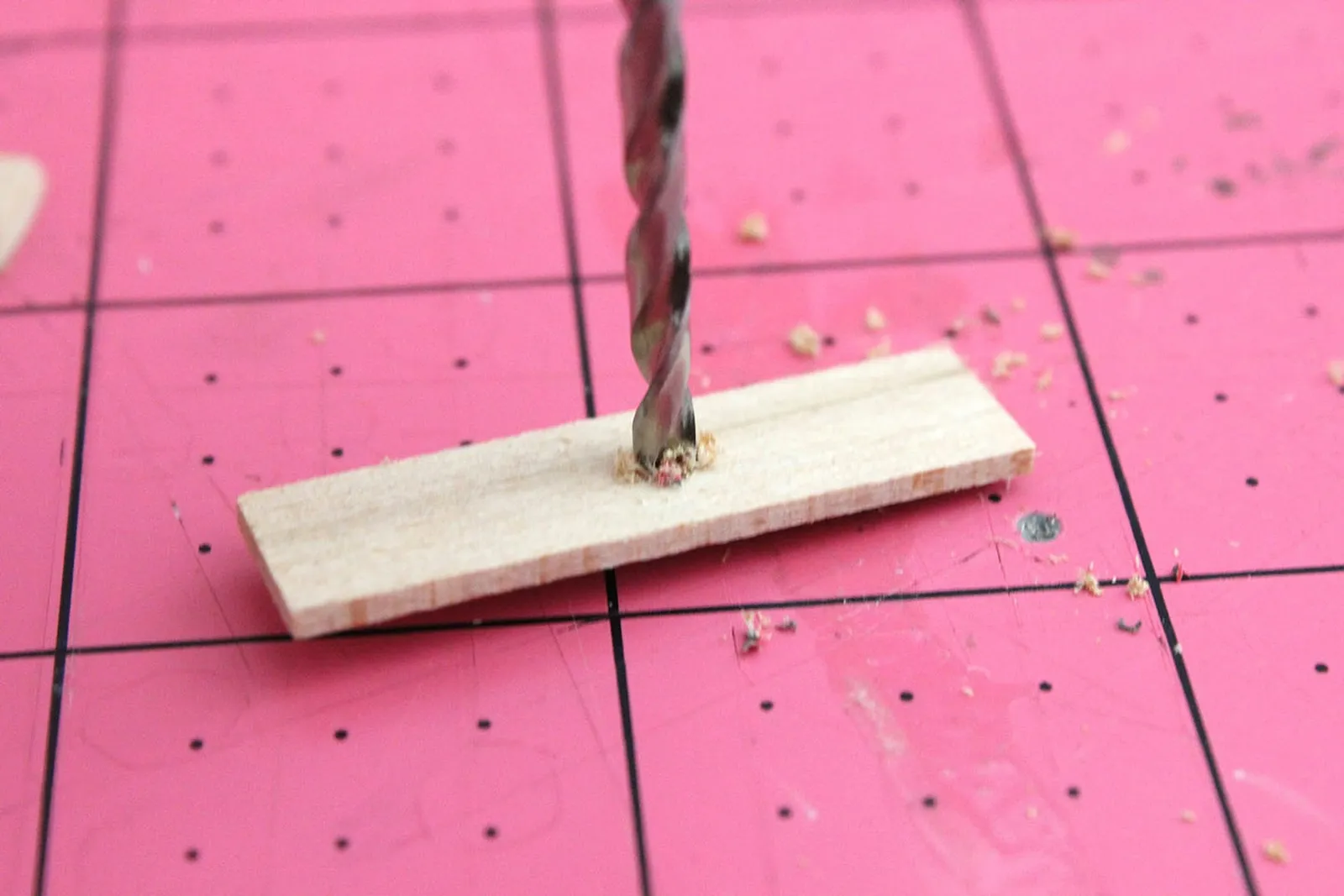
Take one of the two wood strips and drill a small hole at its center using a 1/8-inch bit. Because basswood is quite soft, a hand drill is sufficient — an electric drill is not necessary.
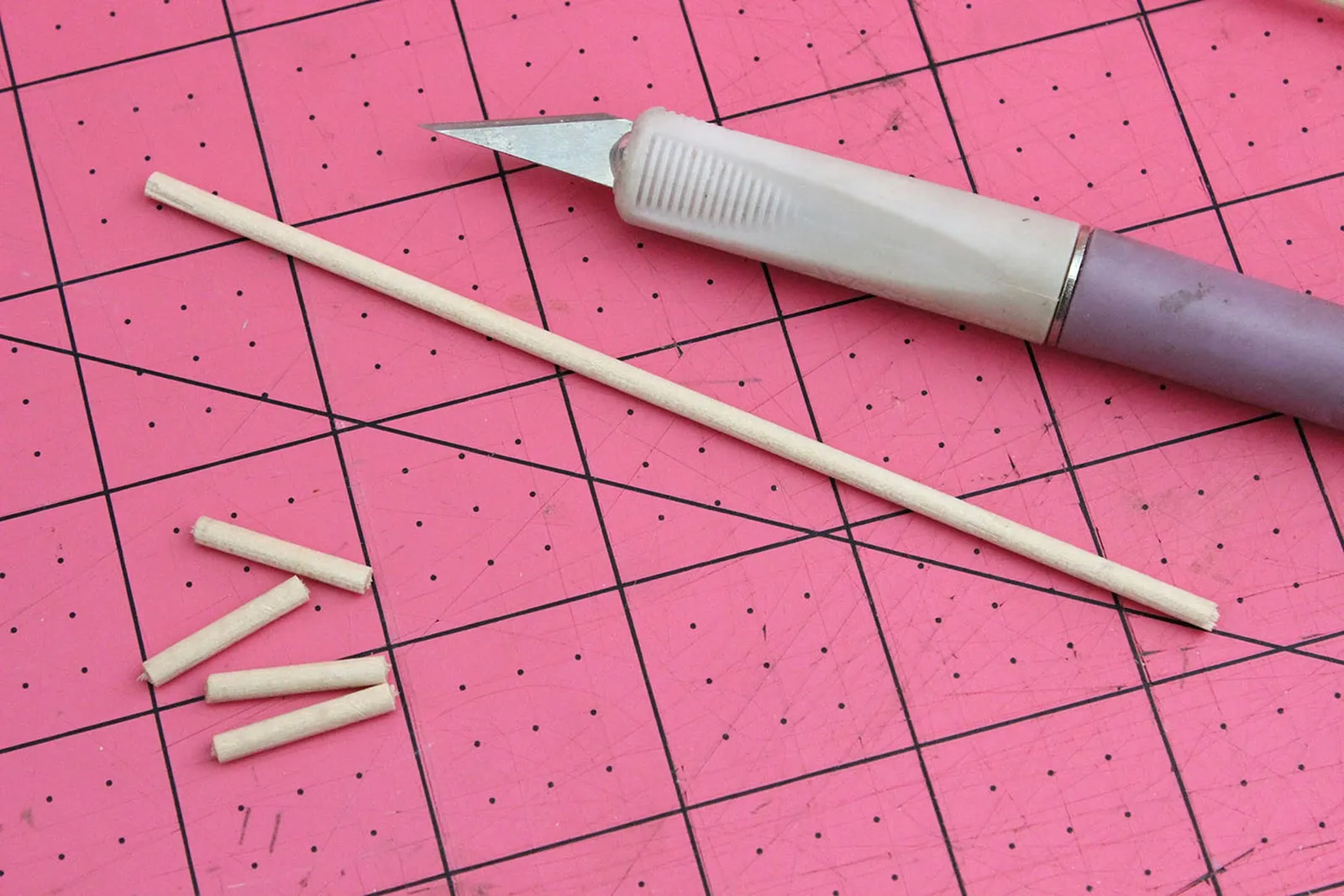
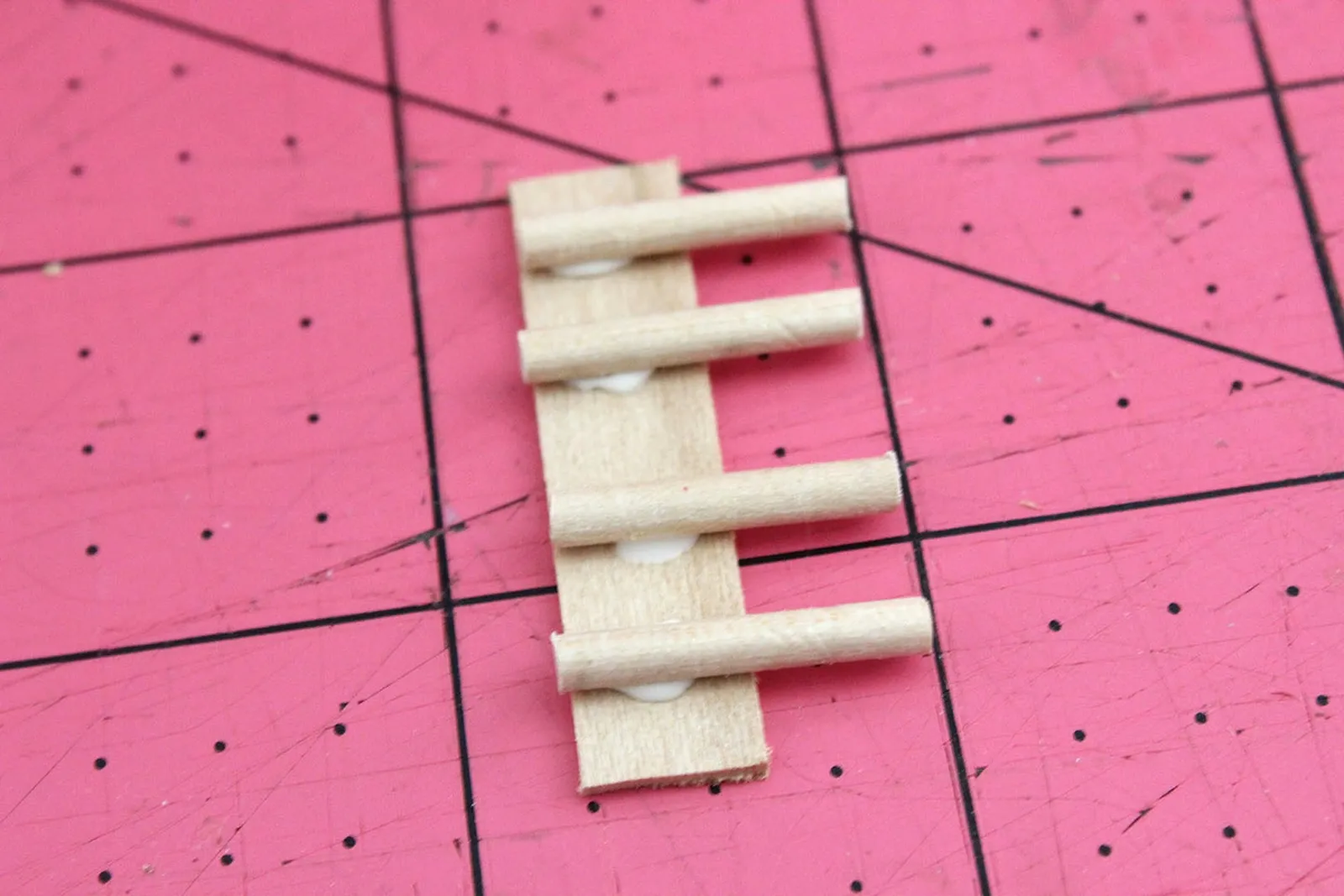
Cut a 5-inch length from an 1/8-inch-diameter wood dowel to serve as the rake handle, using a craft knife. Then cut four additional pieces, each 3/4 inch long, to act as the rake's tines.
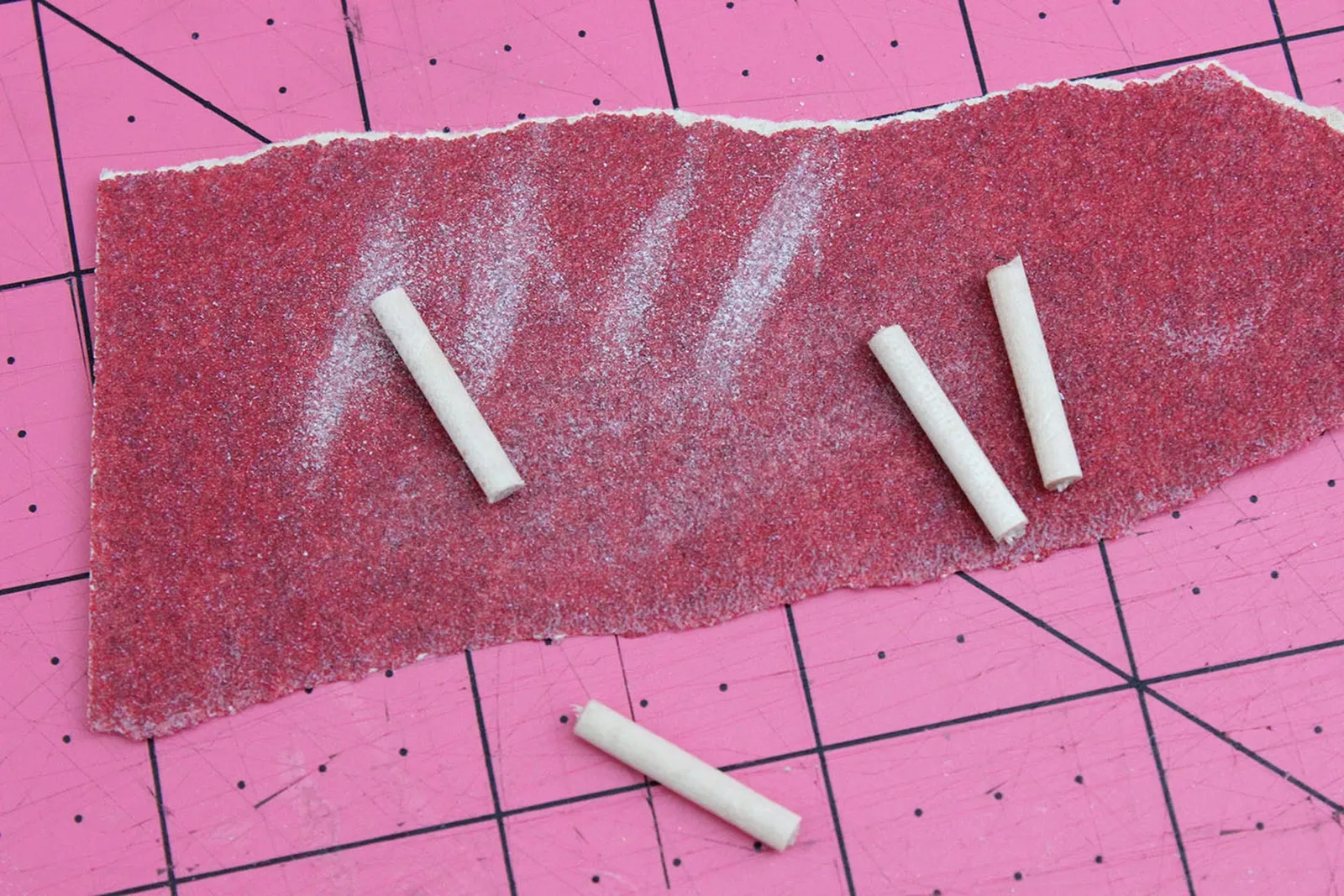
Use sandpaper to smooth the cut ends of all the dowel pieces.
Apply wood glue to attach the tines to the wood strip that does not have a hole.
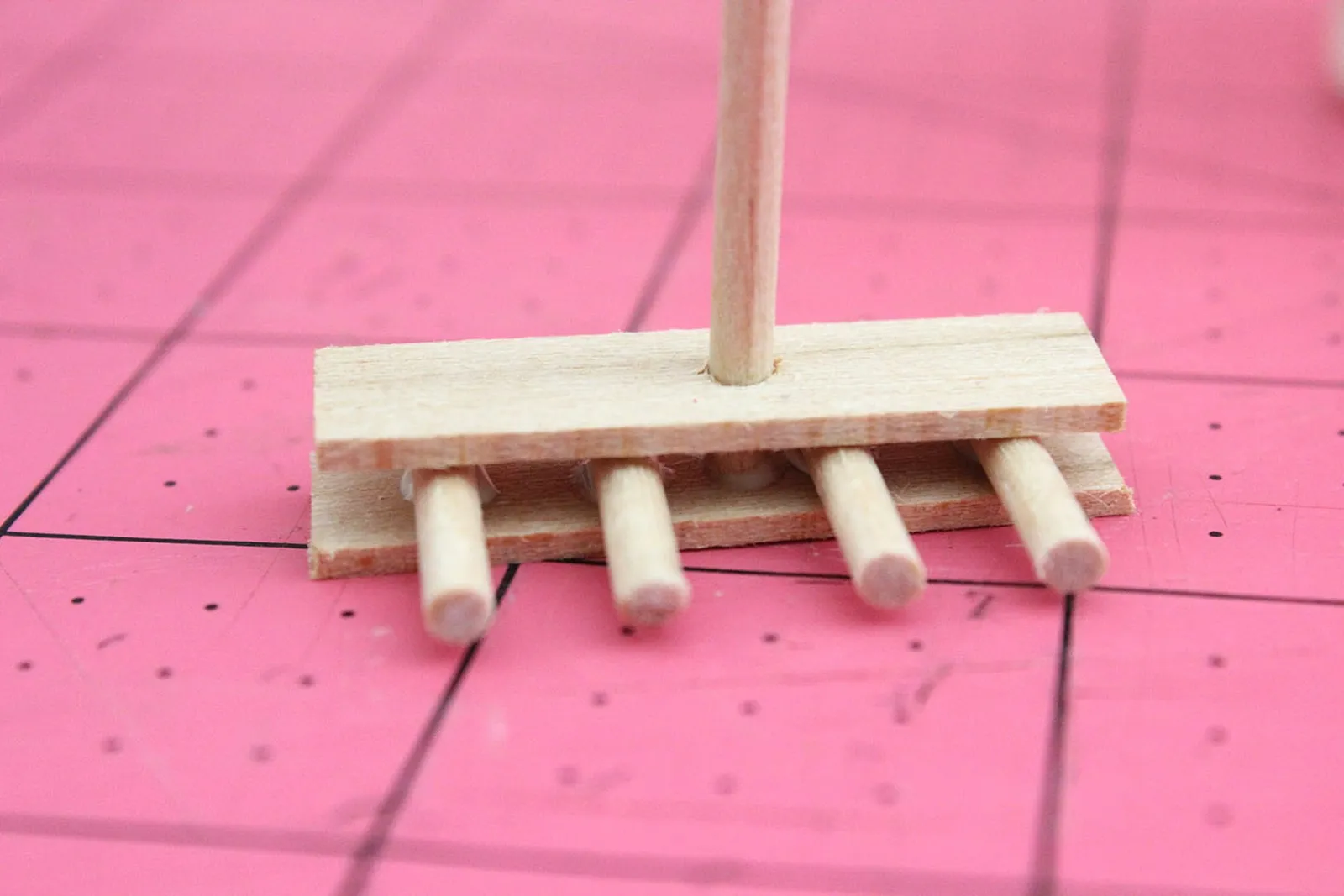
Glue the strip with the hole onto the top of the tines, so the tines end up sandwiched between the two strips. Put a dab of glue on the handle and insert it into the hole, pressing down until it touches the lower wood strip. Let the glue dry completely.
Step 3: Get the Air Plant Ready
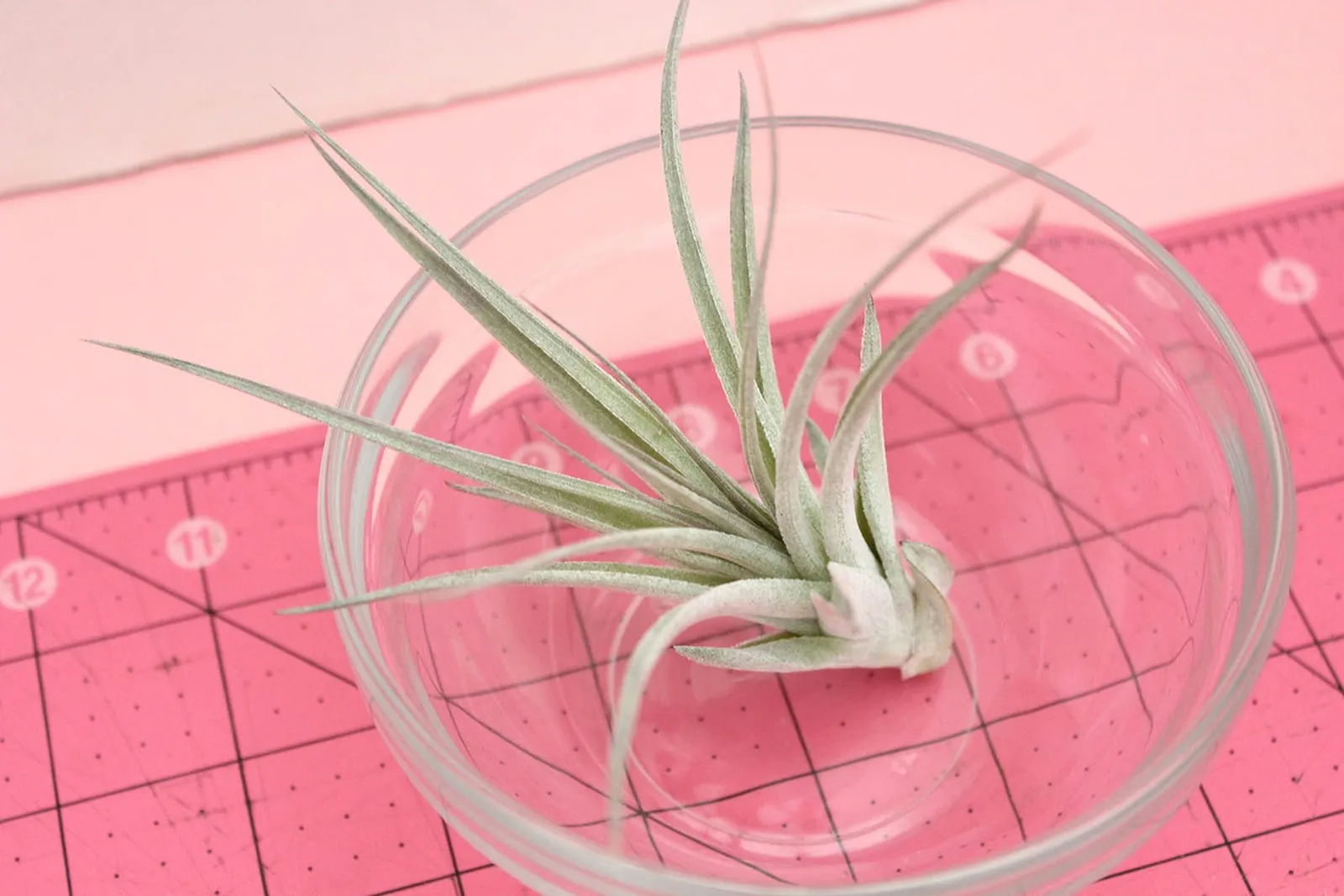
For a touch of greenery, you can use either a small artificial shrub or an air plant such as a tillandsia. If you go with a tillandsia, soak it in a bowl of water to rehydrate it, since it has probably gone without watering while sitting in the store. After an hour, take the plant out and let it dry on a paper towel for another hour.
Step 4: Add Sand to the Tray
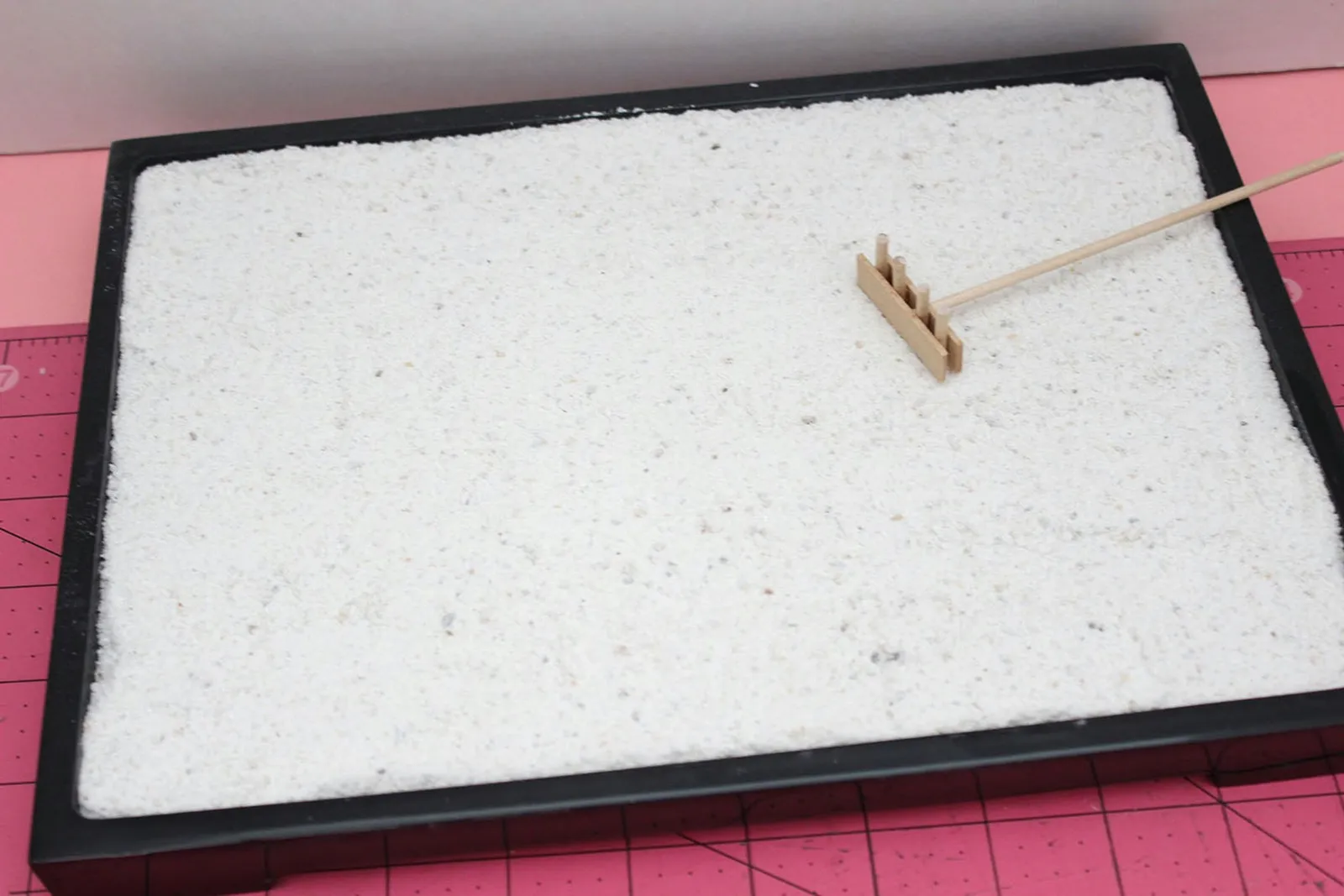
Pour fine white sand into the tray. Compared with coarse sand, a finer grade will make the rake's markings stand out much more distinctly.

Use the flat side of the rake to level the sand's surface.
Step 5: Arrange the Rocks
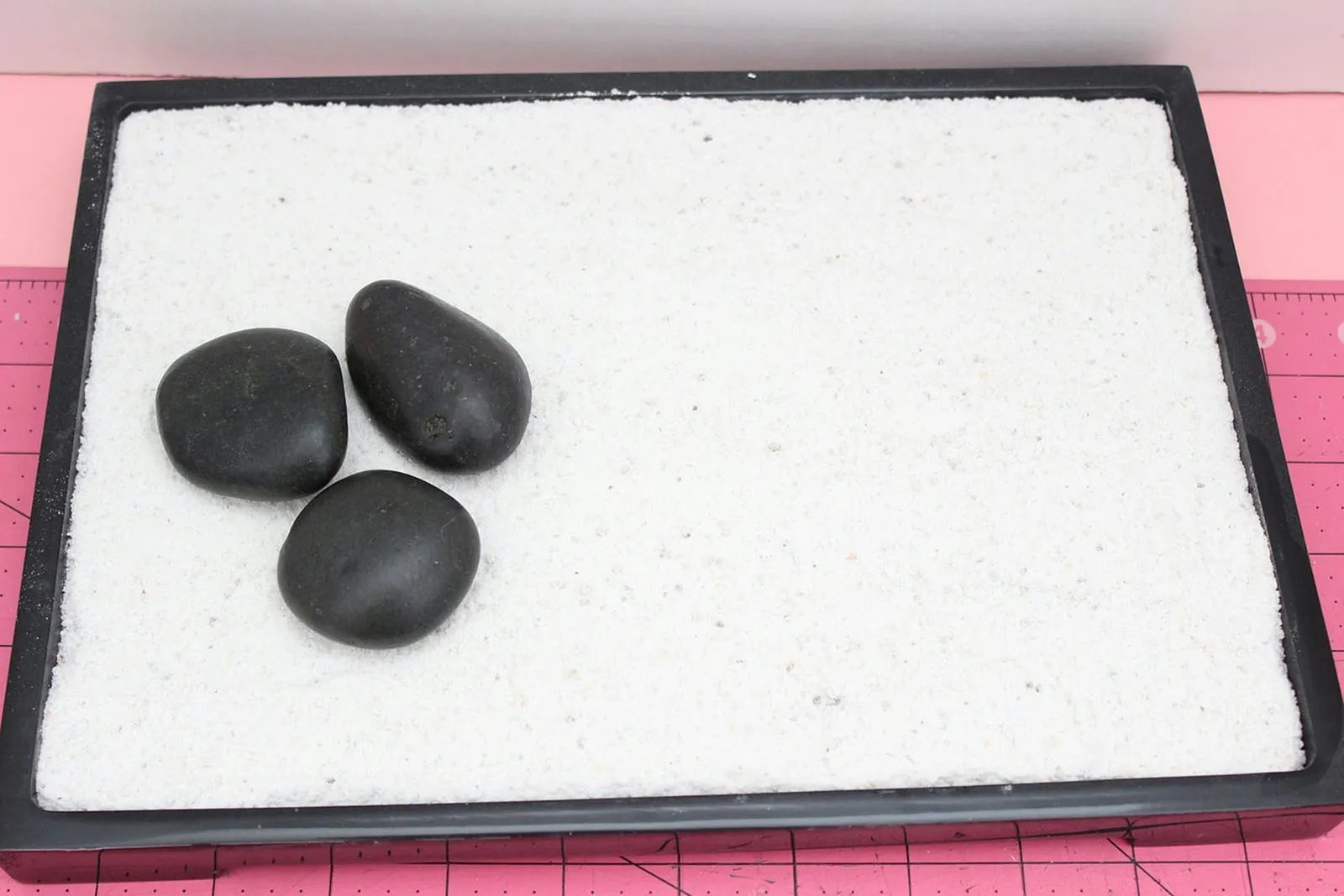
Two Japanese concepts are worth keeping in mind when you place elements in the zen garden: kanso and fukinsei. Kanso means simplicity, so limit the number of elements you add. Fukinsei describes the beauty found in asymmetry, which means uneven, off-center arrangements are preferred. Keep that asymmetry in mind as you position the river rocks. Try the rocks in various spots until the arrangement feels right to you. You can repeat this activity daily, since arranging the rocks can be deeply relaxing.
Step 6: Place the Plant
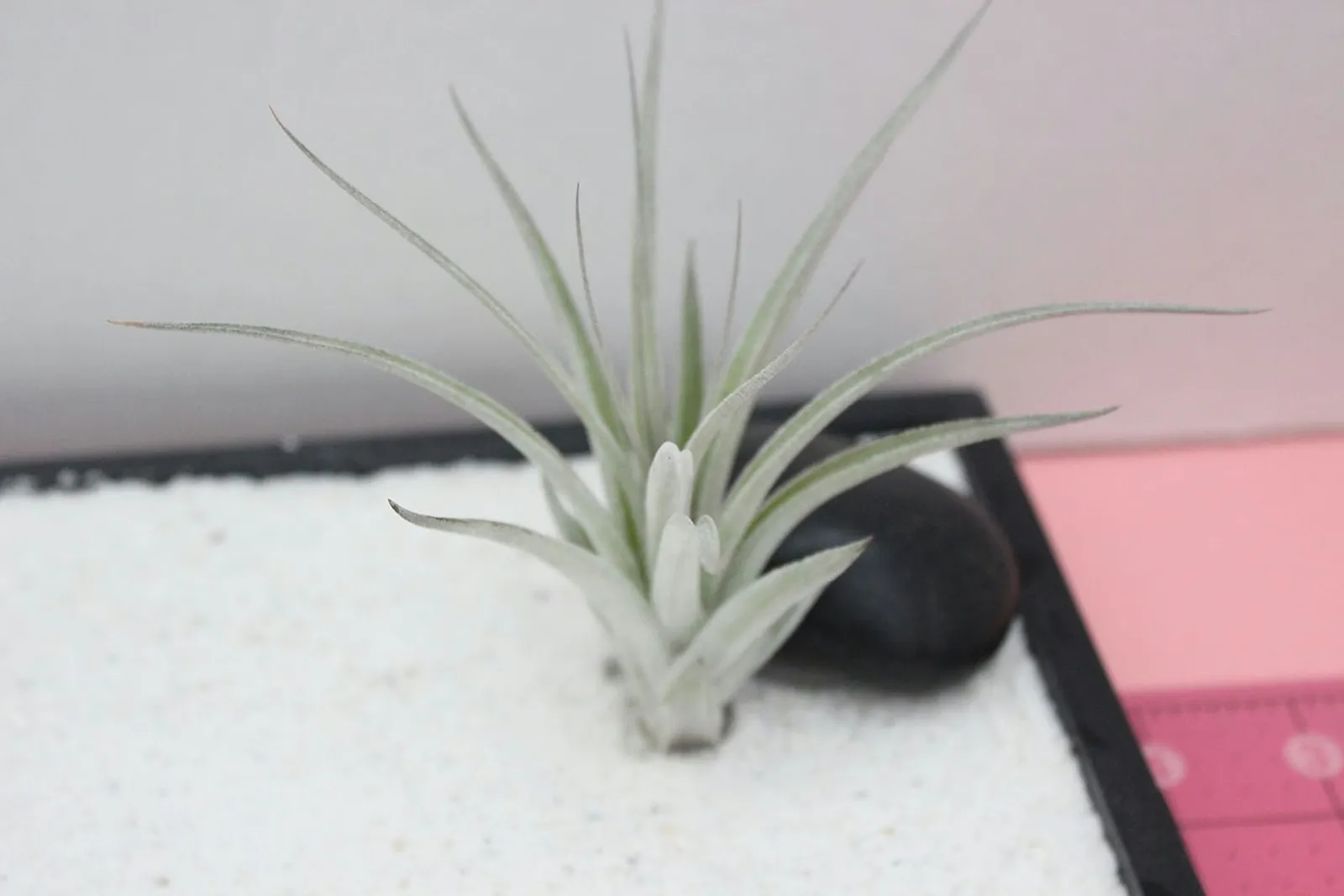
Set the air plant in the garden, testing a few different spots until you are satisfied. Keep in mind that you are free to move the plant whenever you wish. If the plant tends to topple because its top is heavy, set it beside a rock so it stays upright.
Step 7: Rake the Sand
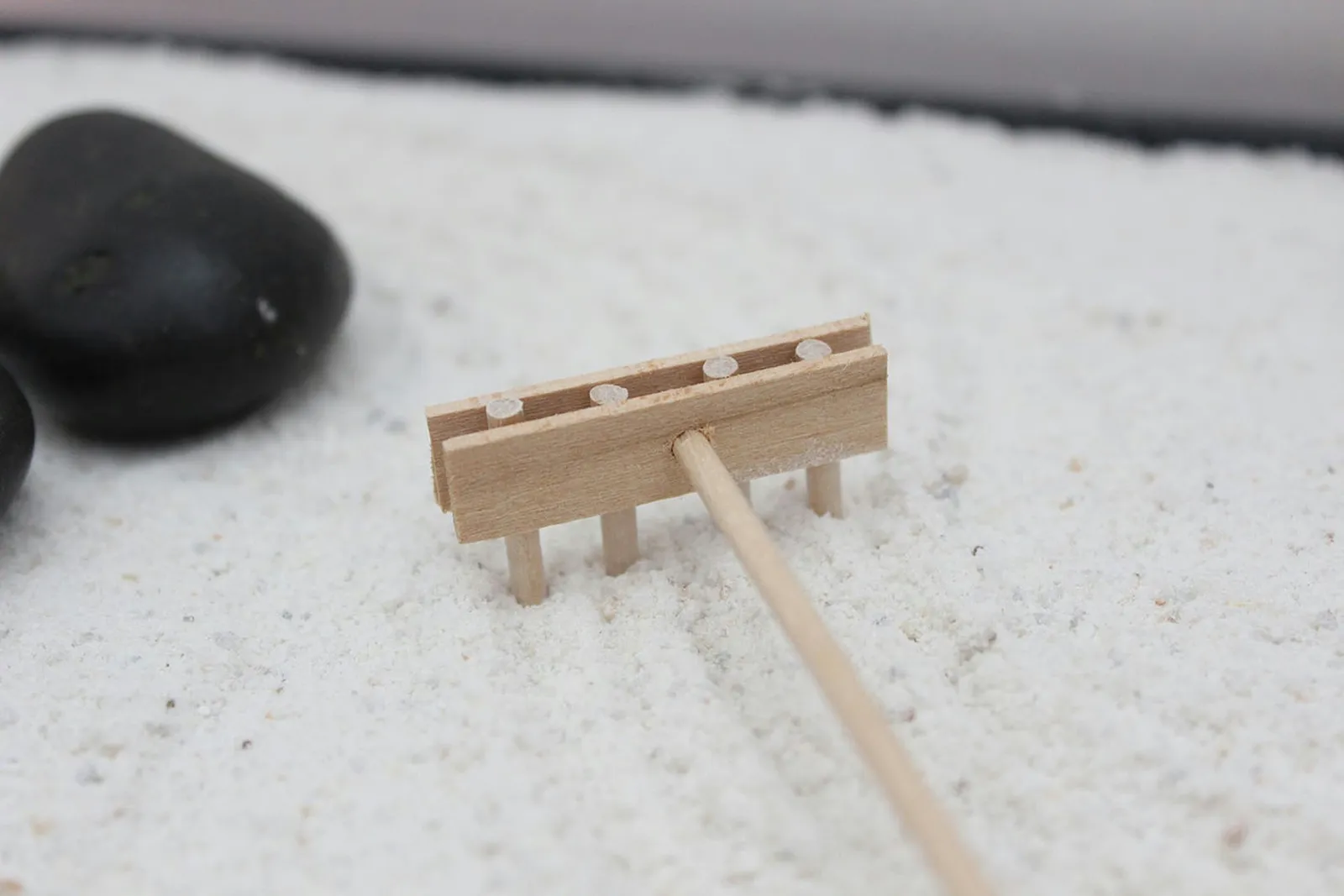
Raking the sand is the most calming activity this zen garden offers. As you draw the rake across the sand, the lines you make resemble the movement of water. Each time you return to the garden, you can create fresh patterns. To begin again, use the rake's flat edge.
Both the visual appeal of the zen garden and the repeated motions of raking sand or arranging rocks contribute to a greater sense of mental well-being.