Creating a Weathered Wood Effect on Canvas with Paint
With oil or acrylic paints, a canvas can be transformed to resemble aged timber. The fabric's natural texture, which varies from fine to rough, assists in building up the look of wood grain, whether for a backdrop or a standalone abstract work.
By Jamie Mitchell7 steps
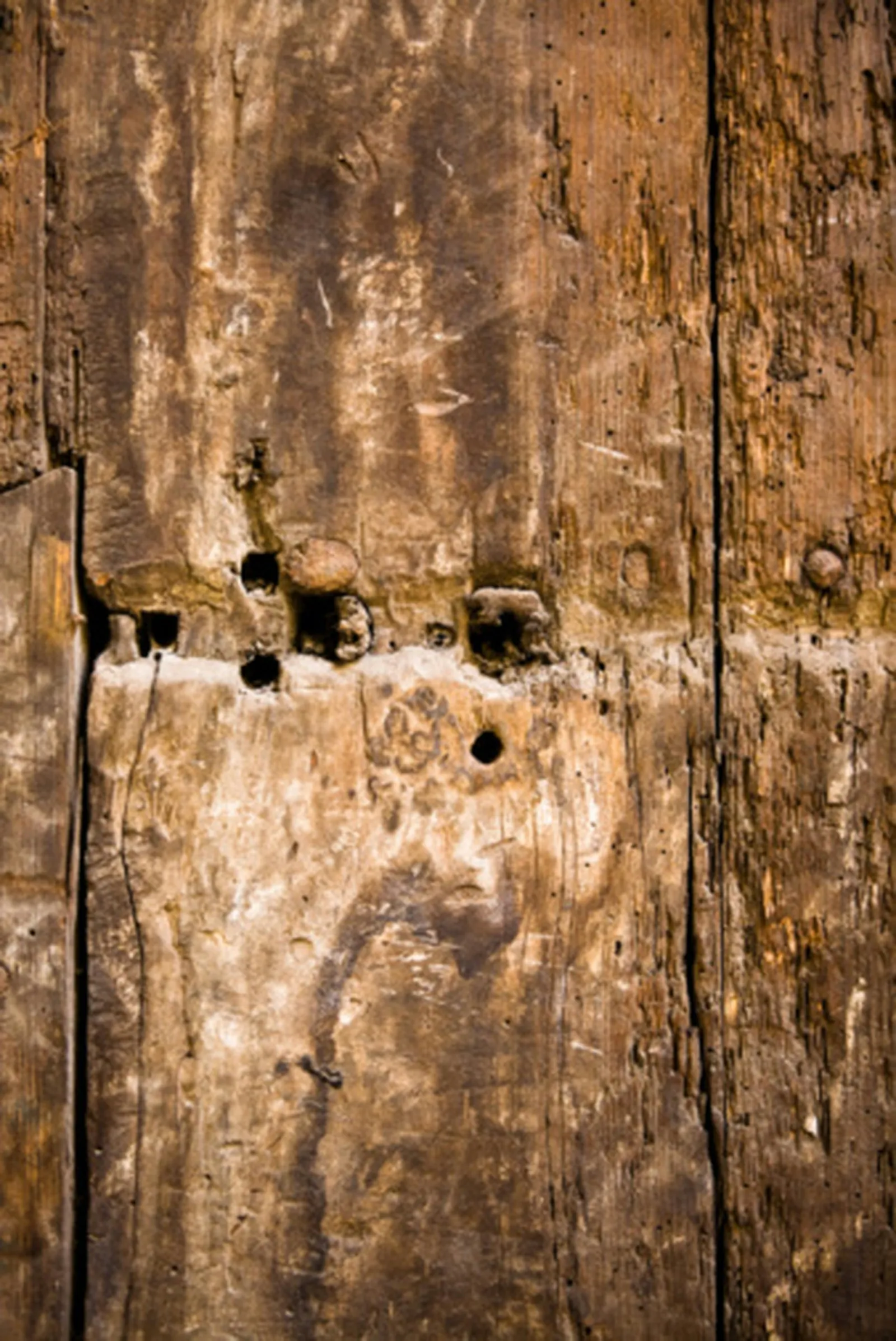
Make a canvas look like weathered wood.
An artist's canvas can be adapted to mimic almost any surface when the appropriate acrylic or oil paint is applied. The fabric comes in textures that range from very fine to quite rough, and this variation is what allows paint to build up physical texture. Among the effects you can achieve is the appearance of aged, weathered timber. Such a finish works well as a background for more elaborate compositions or as a complete piece in a soft, abstract style. You can produce this weathered wood look using standard art materials and paint.
Step 1
First, decide which kind of paint you will work with. Oil paints have a heavier texture and require mineral spirits to thin them. Acrylics tend to be lighter in body and are water-based, so ordinary tap water can be used to thin them.
Step 2
Place separate small amounts of burnt umber and white paint on your palette. Using the palette knife, take up a little of the umber and set it in another spot on the palette. Slowly mix in white paint so that you create a range of browns, from the deepest shade to a medium brown. If you want the brown to feel warmer, add tiny quantities of red or yellow paint.
Step 3
With a paintbrush, apply a mid-brown base color across the canvas. For now, keep this layer even and free of texture.
Step 4
Keep building up layers using the different brown shades you mixed on the palette. Avoid being too precise; wood occurs in nature, so it is imperfect and does not have a uniform color. As you paint, make long vertical strokes to imitate the shifting tones seen in wood.
Step 5
Moisten a rag with mineral spirits if you are working with oil paint, or with water if you are using acrylics. Remember that acrylics dry rapidly, so this step has to be done while the paint is still wet. Crumple the rag in your hand and pull it lightly down the canvas in a vertical motion. Some paint will be lifted off, giving the surface a textured appearance.
Step 6
Switch to a very small brush and use the midtone and dark-tone paints to draw vertical lines that suggest wood grain. These lines should not be perfectly straight. To give the lines texture, use short, quick brush strokes rather than a single long line.
Step 7
If you are using oil paint, let the painting almost dry. Then repeat Step 5 to weather the piece further, this time dabbing the painting rather than rubbing it. For acrylics, put a small drop of white paint into a cup of water. Apply a light layer of this whitewash and rub it with a rag to add more weathering.