Comparing 8mm and 10mm Tempered Glass: Which Thickness Fits Your Project?
Heat-treated glass, known as tempered or toughened glass, offers greater strength and durability than standard glass. An 8mm pane weighs about 20kg per square meter and works well for double glazing, shower enclosures, and everyday home applications. When panes grow larger, 10mm glass becomes the appropriate choice, weighing roughly 25kg per square meter and suiting panes up to 2250mm square.
By Robin Hill
Does thickness matter?
Where 8mm Glass Works Well: Smaller Window Panes
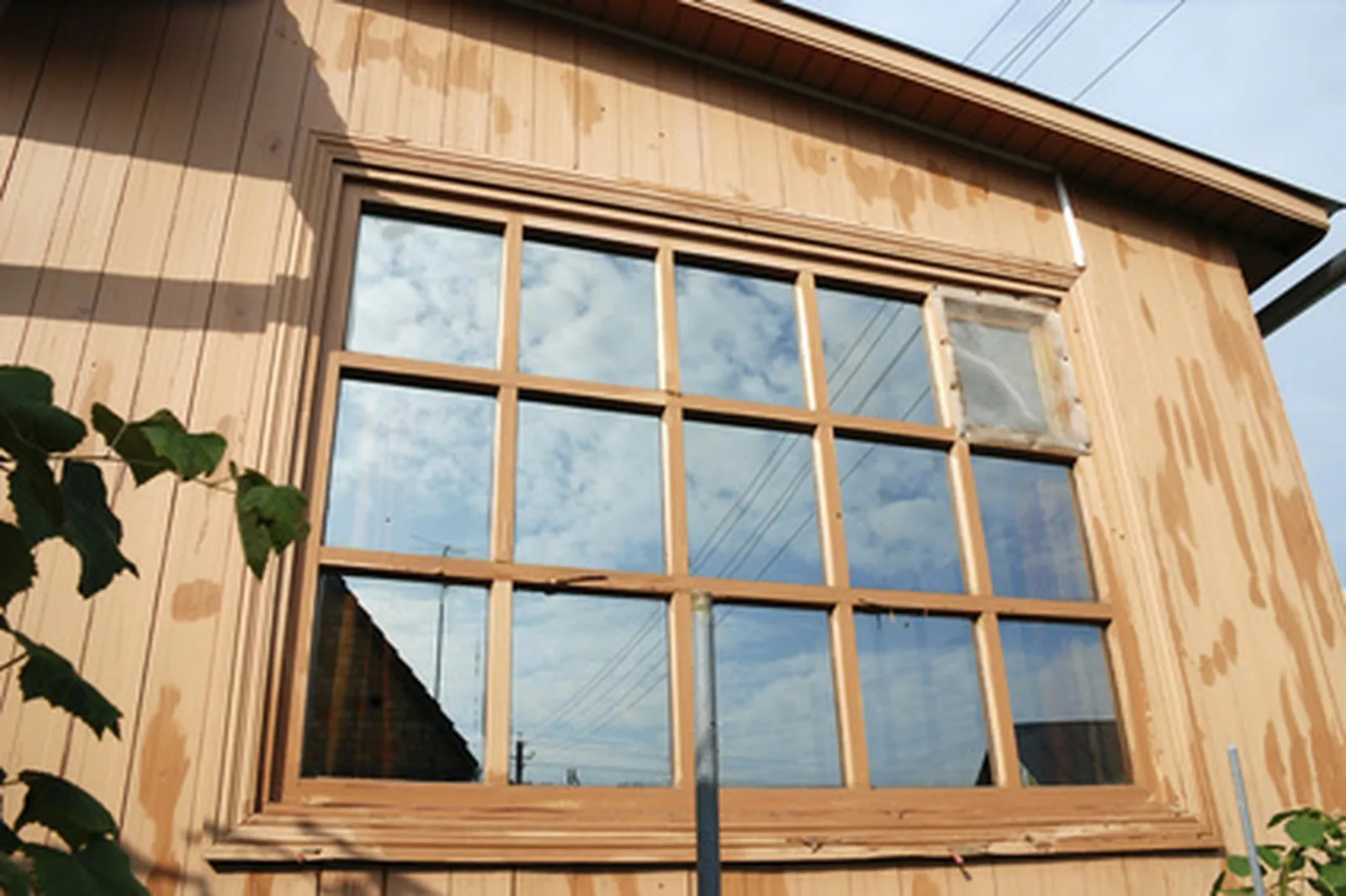
Small panes are perfectly okay at 8mm
Tempered glass—also called toughened glass—undergoes heat treatment, which makes it stronger and more resilient than glass that has not been treated. An 8mm-thick pane carries a weight of roughly 20kg per square meter, and it is entirely suitable for double glazing, shower screens, and typical household applications. Should it break, it breaks into small fragments instead of sharp, dangerous shards. Because it weighs less, handling and installation are simpler. Pilkington, a glass manufacturer, advises against using 8mm glass in panes larger than 1100mm square.
When Panes Get Larger, Thicker Glass Is Required
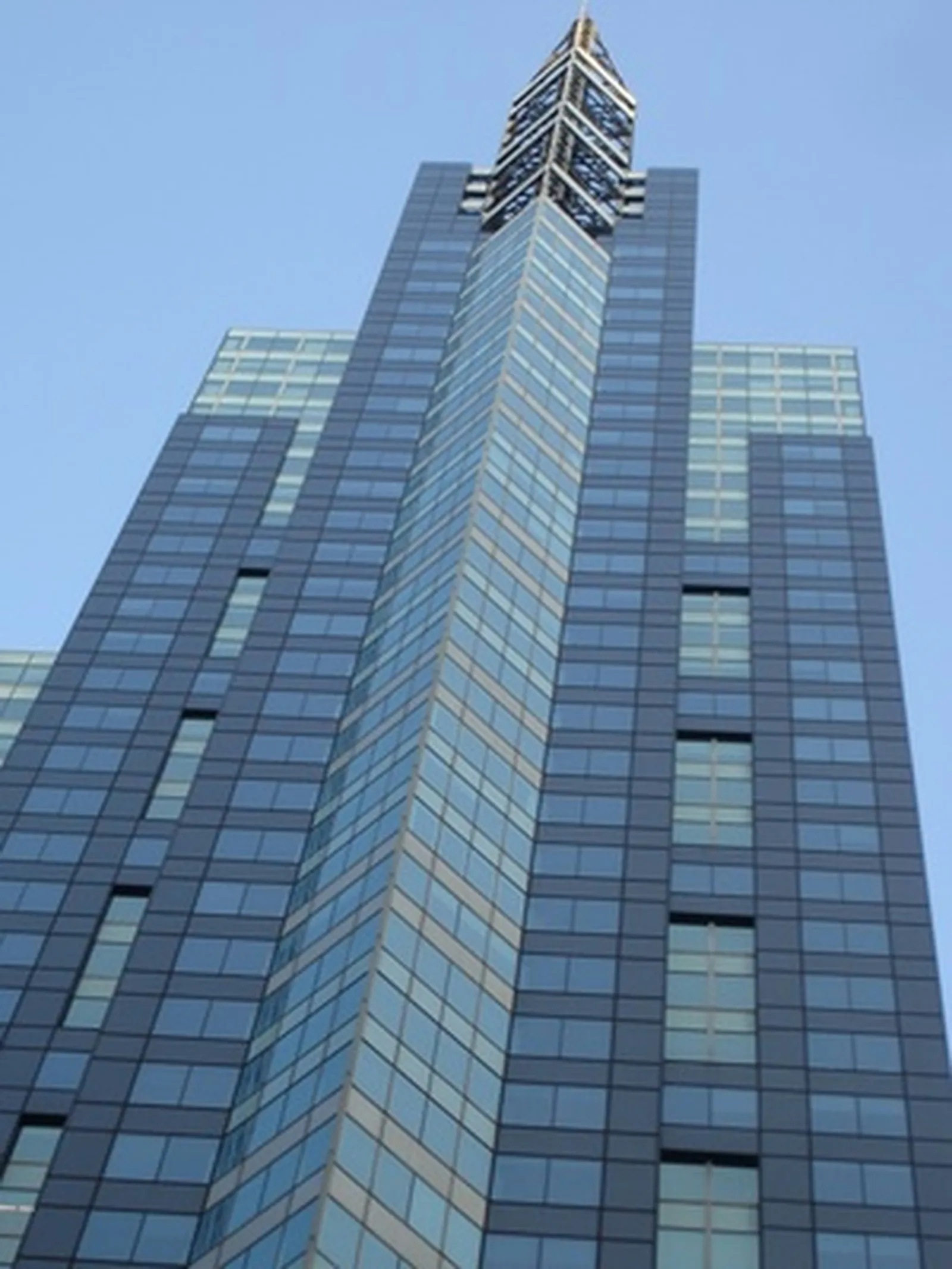
Large expanses of glass must be thicker
At 10mm, tempered glass is thicker and allows for bigger panes while maintaining comparable strength. This thickness weighs approximately 25kg per square meter. A 10mm tempered glass pane can measure up to 2250mm square. Larger panes of glass let more natural light into a space.
Final Thoughts
Since toughened glass is roughly five times stronger than untreated glass, heat-treated safety glass is the only reasonable choice. The question of whether 8mm or 10mm tempered glass is better only arises when a pane's size approaches or exceeds the recommended limit.