Alternative Blooms for Centerpieces When Hydrangeas Aren't Available
Hydrangeas are a go-to choice for summer arrangements thanks to their large, intricate blooms in colors like pink, lavender, blue, white, and green. Their substantial size works well for creating lush centerpieces. When hydrangeas are out of season, other flowers can provide a comparable classic, abundant appearance.
By Sam Murphy
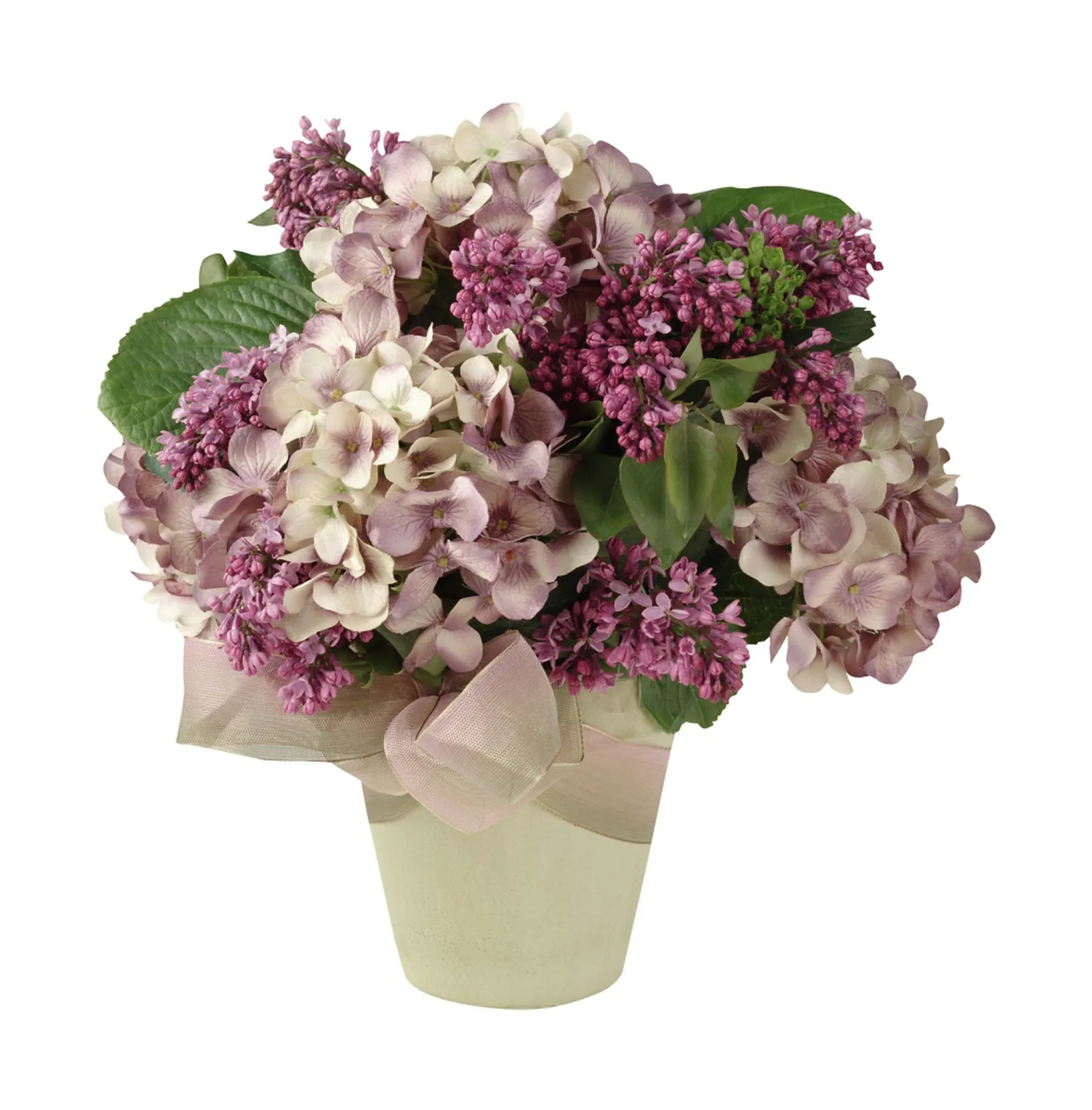
Large hydrangea blossoms make beautiful summer centerpieces.
Many florists turn to hydrangeas as a classic summer bloom, drawn to their intricate, showy flower heads that come in pink, lavender, blue, white, and green. Because of their substantial size, they work well for building a lush centerpiece. When hydrangeas are not in season, you can still achieve a similar vintage-inspired, abundant look with other flowers.
Spring
In springtime, white or pink peonies can stand in for hydrangeas quite effectively. Their size is comparable, and they bring the same enduring elegance to an arrangement. Lilac sprigs offer a delicate, airy texture that echoes the charm of hydrangeas. Alternatively, you can bunch a few stems of pink, white, or lavender hyacinths and secure them with florist's tape; the result resembles a single hydrangea bloom.
Summer
Roses reach their peak during summer. To substitute for hydrangeas, gather three stems of fully open roses. Trim the stems to your preferred length, hold them together in one hand, and use your other hand to wrap them with green floral tape. The cluster can then function as one large blossom. Alliums, which also bloom in summer, produce large lacy spheres in purple and white and can serve as an intriguing hydrangea alternative.
Autumn
Fall brings a range of chrysanthemum colors to the garden, such as white, green, and various shades of pink and lavender. These come in many sizes, including very large blooms that match hydrangeas in scale and can be used as a substitute. Smaller mums can be arranged into a single sphere to imitate a hydrangea's shape. Cut the stems to roughly 7 inches, hold seven or eight stems together between your fingers, and adjust the flower heights until they form a sphere. Wrap the stems tightly with green floral tape so the bunch can be shown as one flower.
Winter
In most areas, fresh flowers during winter come from your local florist. International growers ship blooms from all seasons during the cold months, which makes tulips commercially available in winter. Wrap florist's tape around a small bunch of tulips and combine them with sprigs of baby's breath or wax flowers to replace hydrangea blossoms in a centerpiece. White, green, or pink roses are also easy to find at this time and can be prepared the same way.
Another Option
If left on the bush through fall, hydrangeas grown in your garden will dry naturally. Pick the dried blossoms, put the stems in a dry container rather than water, and store them in a cool, dry spot. The flowers will fade to a warm vintage mauve, blue-gray, or tea color. These preserved hydrangeas can be mixed with fresh flowers in your centerpiece.