Painting Pressed Wood Furniture: A Practical Guide
Furniture constructed from pressed wood is a common sight in stores that sell budget-friendly, self-assembly pieces. While the price is attractive, the look tends to be bland, making paint a good way to add a personal touch before assembly.
By Blake Wood
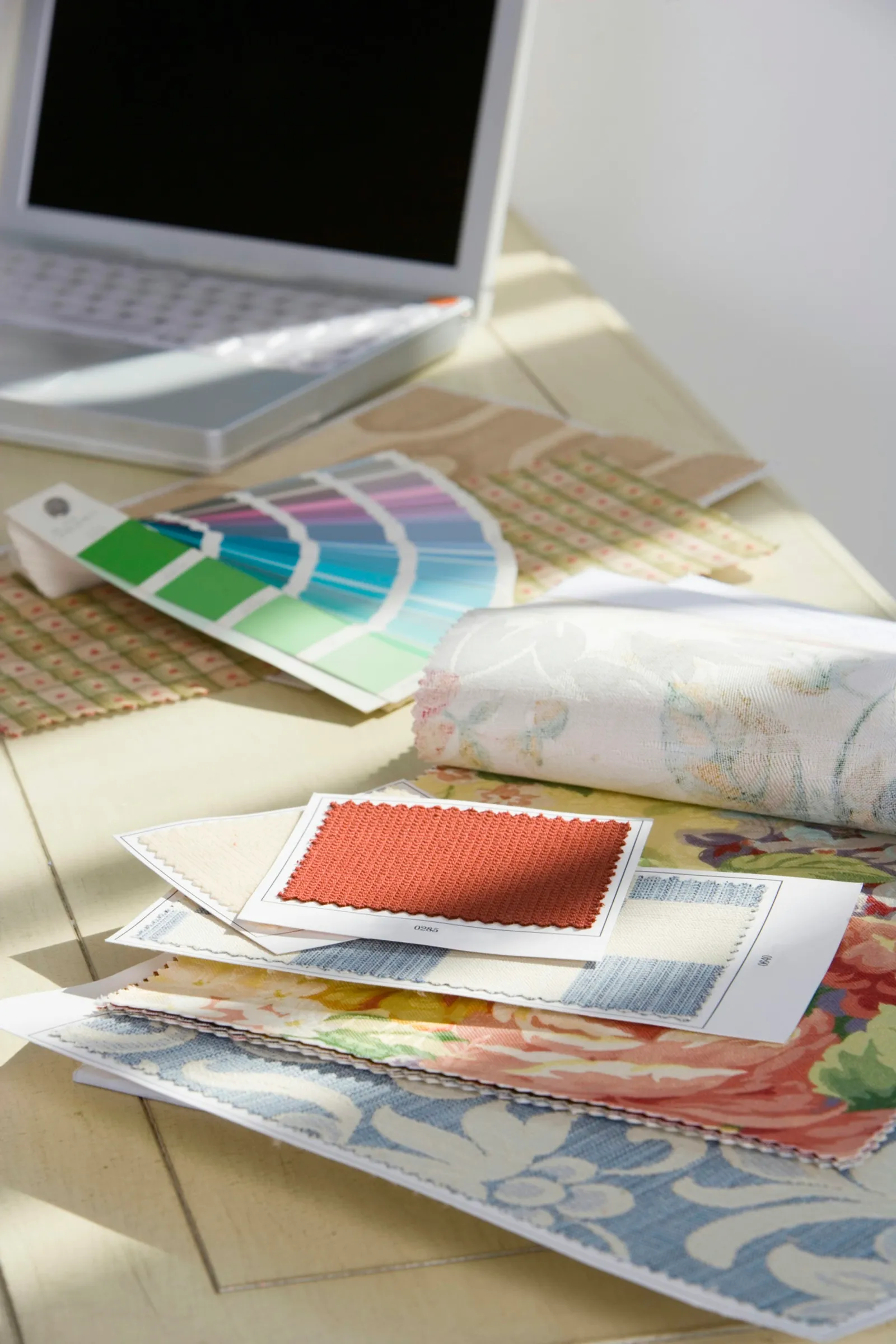
Selecting the right color for your painted furniture will personalize your living space.
You will often come across furniture made of pressed wood in big-box retailers that offer inexpensive items requiring the buyer to put them together. Although the cost is low, these pieces tend to have a plain, uniform appearance that practically invites a makeover. One way to give such furniture a unique look for your home is to paint it prior to assembly. Selecting an appropriate paint allows you to customize your space without spending a lot.
Understanding Pressed Wood
Pressed wood is used to make many different types of furniture, including chairs, tables, desks, and dressers. The material itself is produced by compressing wood pulp into boards and binding it with resin-based adhesives. A very thin layer of wood veneer is then placed on top as the final surface. This veneer is available in several species, such as walnut, birch, cherry, and oak. Because the veneer is so thin, only light sanding is possible before you risk sanding through it and exposing the pressed wood underneath. In addition, stains tend to perform poorly on pressed wood due to the many chemicals involved in its manufacture.
Choosing the Right Paint
For paint selection, solid, opaque colors are a better choice than transparent finishes, which can apply unevenly. Opaque paints provide a thicker coating that covers imperfections. There are a few types of paint to consider. Water-based paints are often preferred because oil-based paints produce fumes and require more cleanup. Oil-based paints also leave less room for error and need more time to dry. Acrylic and latex paints, both water-based, are the simplest to work with.
Selecting an Application Method
Latex and acrylic paints are available both as brush-on products and in spray cans. Brush-on paint offers a much wider range of colors because it can be mixed to your specifications at a local paint store. Spray paint generally cannot be custom-tinted, so you are limited to what is available on the shelf. Brush-on paint also provides more choices for the final sheen, ranging from flat to satin to high gloss.
How to Apply the Paint
When using brush-on paint, apply thin layers and let each one dry for a minimum of one hour before adding another. Whether you spray or brush, applying the paint too thickly will cause drips. A high-gloss finish is among the easiest to care for and can be wiped down without much effort. Dust does not cling to it, and cleaning typically requires nothing more than a damp cloth.