How Packaging Affects Food: Benefits and Drawbacks
Glass, plastic, aluminum, and paper are among the materials used to package food and beverages. For both consumers and producers, each material brings its own set of pros and cons.
By Kai Wood
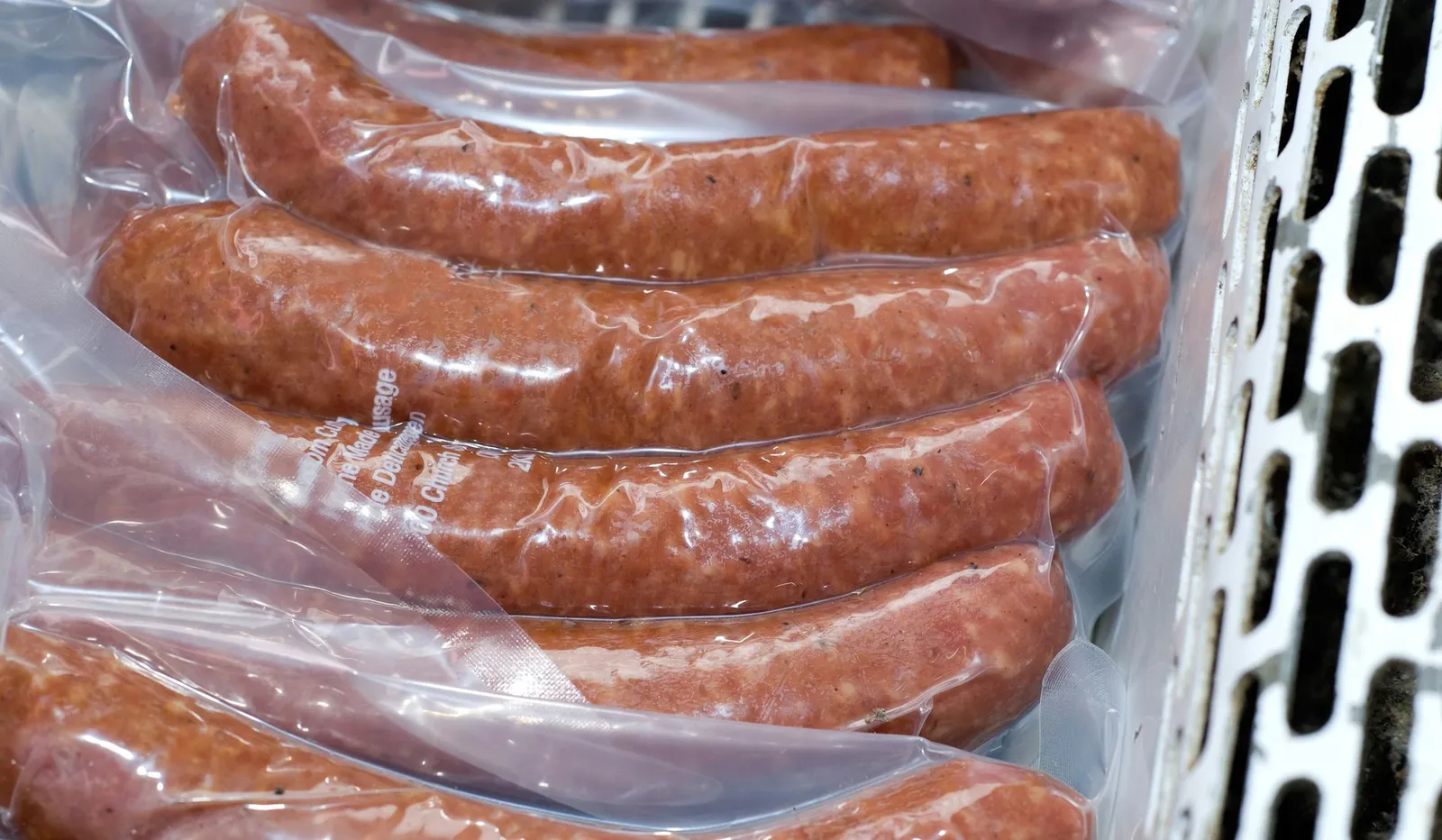
Glass, plastic, aluminum, and paper are common materials for packaging food and drink products. Every one of these options comes with benefits and drawbacks that affect both the consumer and the manufacturer.
Safety
When food is packaged, it becomes safer and less prone to contamination. The Food and Drug Administration has raised concerns regarding the safe use of recycled packaging, but it is generally regarded as safe.
Shelf Life
Successful packaging allows food to last longer and remain fresh for an extended period. Without packaging, food can rapidly become dry, moldy, or spoiled.
Waste
A significant portion of all waste in the United States comes from food packaging. Although certain types of packaging can be recycled, making most packaging more efficient is a difficult task.
Cost
For food manufacturers, packaging represents a portion of their overall costs. This expense is then included in the final price that consumers pay for each food product.
Convenience
Single-serving packages and packaged perishable items offer convenience, as consumers do not need to wrap them or place them in containers before storing.