How Erosion Sculpted Some of the World's Most Recognizable Natural Features
Wind, water, ice and waves all wear away the planet's surface at different speeds, and the results of that wear can be dramatic. From a vast canyon in the American Southwest to a sandstone formation in Arizona and a peak in the Swiss Alps, these natural processes have produced distinctive landforms both along coastlines and far inland.
By Blake Williams
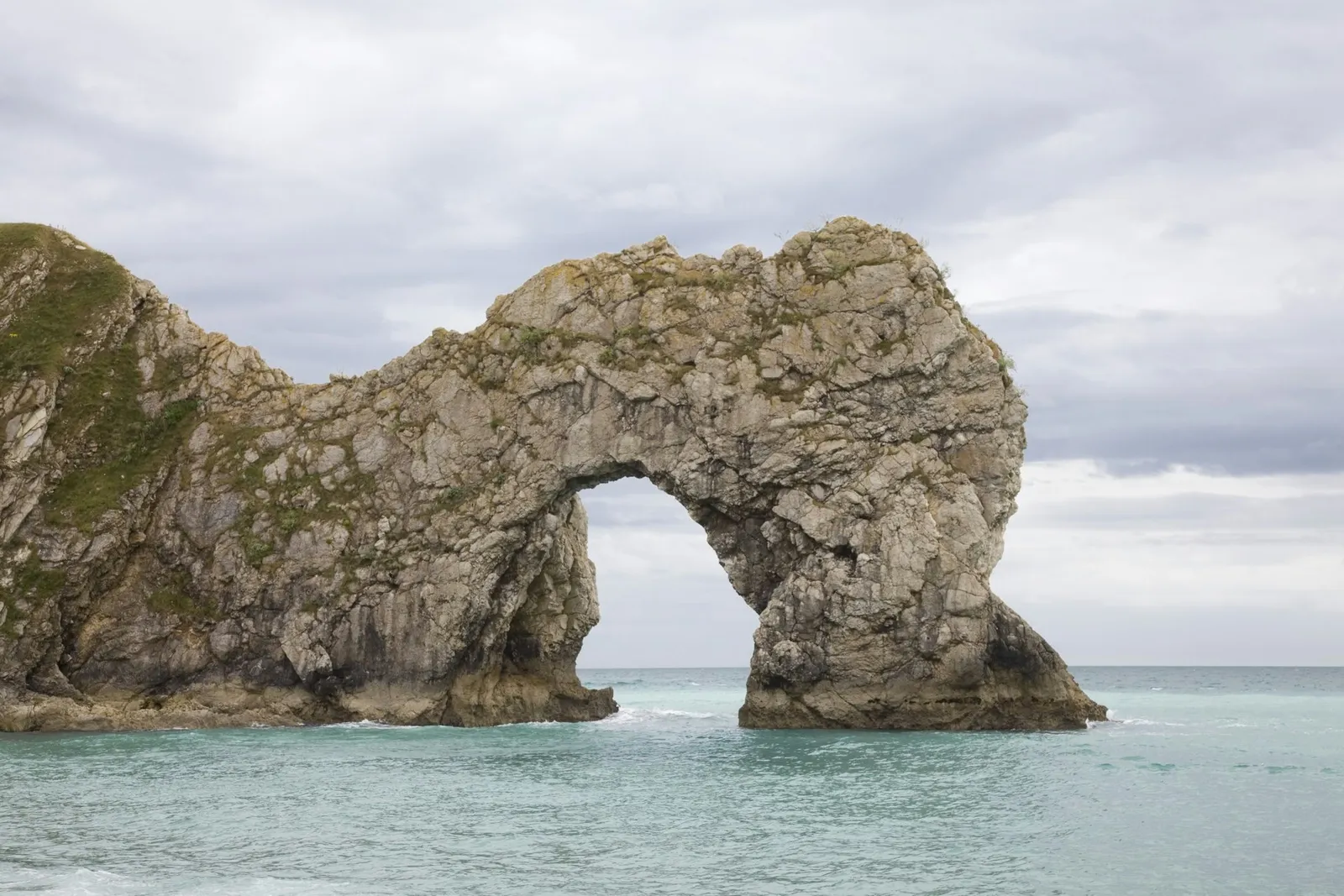
The effects of erosion can be beautiful.
Several natural processes shape the landforms found on Earth's surface, producing striking features across the planet. Among them is erosion, in which glaciers, wind and water wear away surface deposits at different rates. This ongoing phenomenon has given rise to a range of landforms in both coastal and inland settings, with well-known examples found in many parts of the world.
The Grand Canyon: Carved by River Erosion
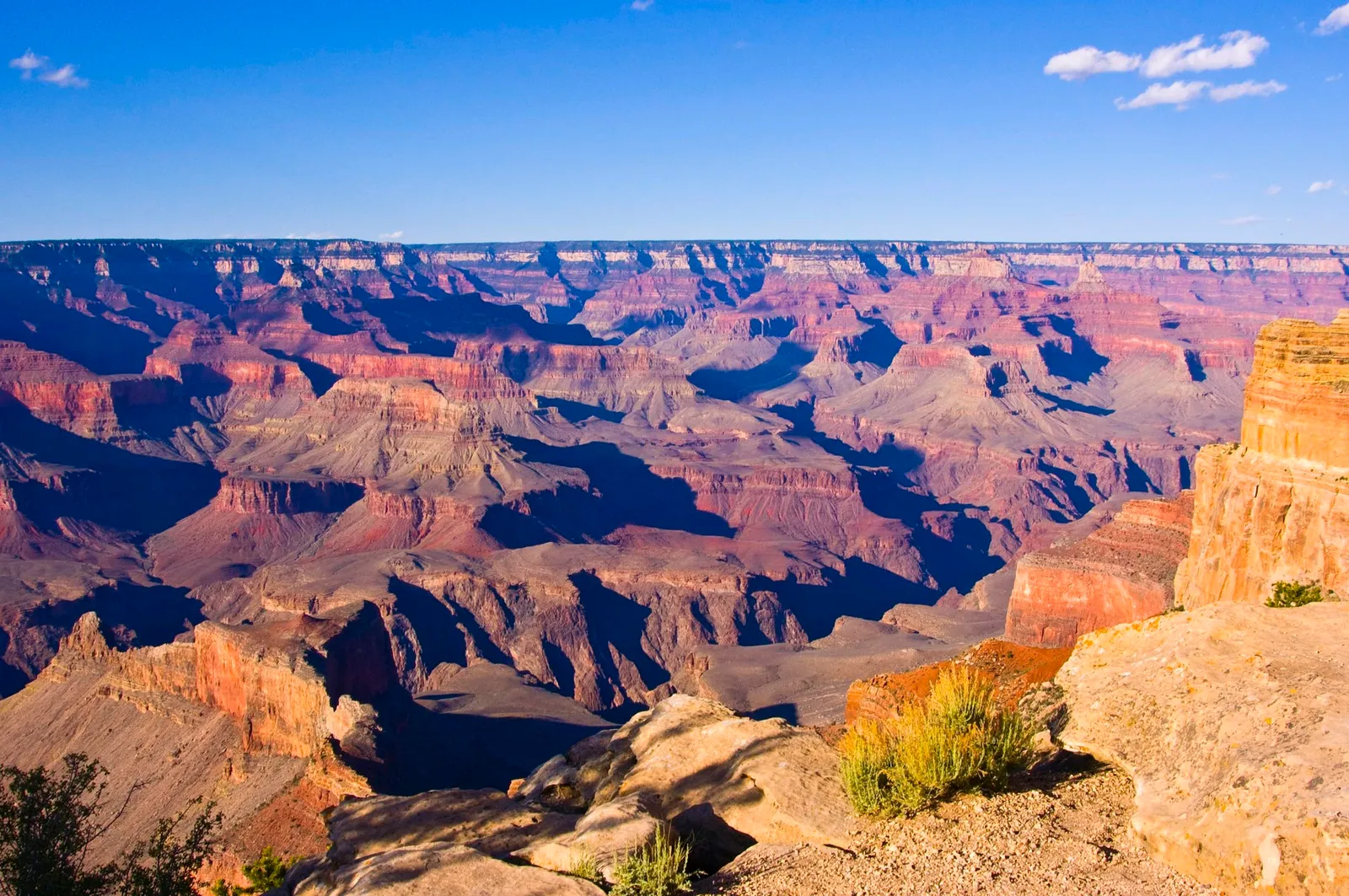
The Grand Canyon formed by erosion over millions of years.
Stretching more than 277 miles in length, reaching widths of up to 18 miles and plunging a mile deep, the Grand Canyon is widely regarded as one of America's most celebrated landforms. Water carried by the Colorado River, along with the rock and soil debris that flow contains, played a role in shaping it through erosion. Over millions of years, this river-driven erosion has deepened and widened the canyon, and that process is still underway.
Landforms Created by Coastal Erosion
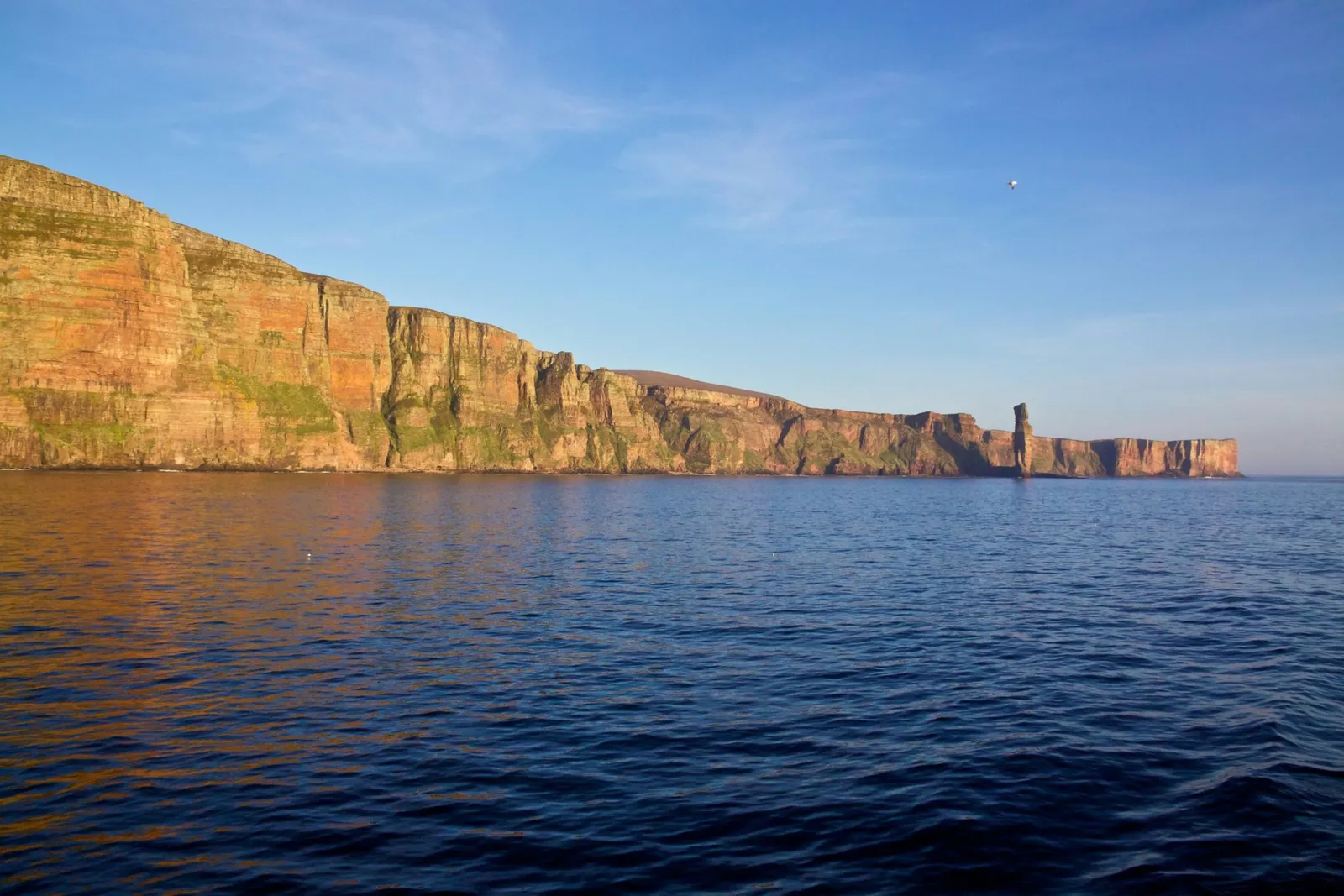
"The Old Man of Hoy" is off the west coast of the Orkney Islands.
When wind and waves erode a cliff until part of it collapses, the result can be sea stacks -- large, isolated columns of rock left standing. "The Old Man of Hoy" ranks among the biggest of these anywhere. It rises to nearly 450 feet and sits just off the west coast of Scotland's Orkney Islands. Coastal erosion has also produced Bogenfels Arch in Namibia, a natural sea-arch shaped by wave action that measures roughly 17 feet in height.
Wind as an Erosive Force
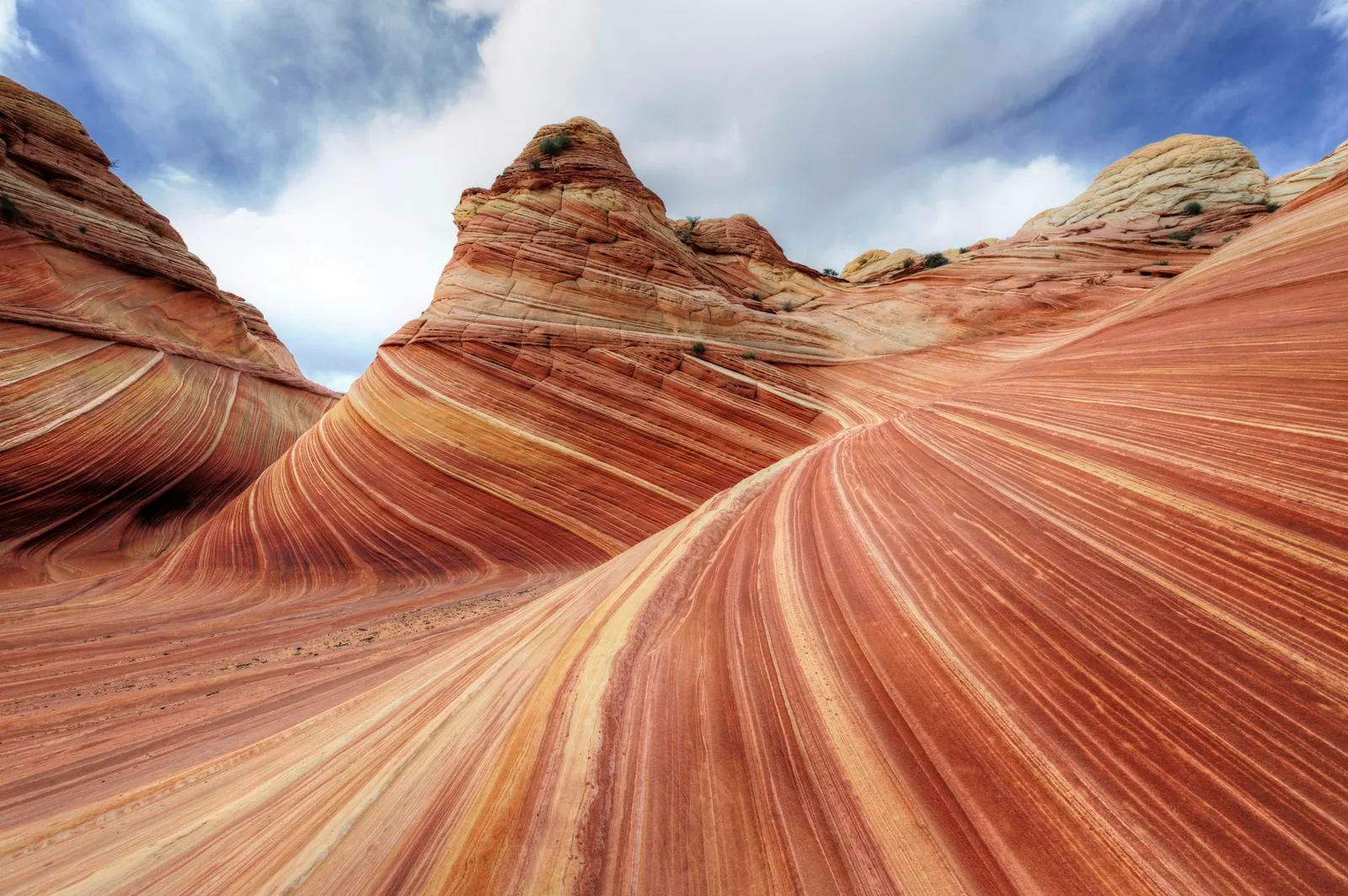
"The Wave" in Arizona is an example of wind erosion.
In desert environments, wind carrying sand gradually wears down softer rock. "The Wave" offers a well-known illustration of this, located among the Navajo sandstone formations of the Vermillion Cliffs National Monument in Arizona. Strong area winds that lift sand from the surrounding desert have essentially sand-blasted this landscape into its present form. One of the resulting troughs looks like a breaking wave, which is how the feature got its name.
Glacial Erosion and Its Landforms
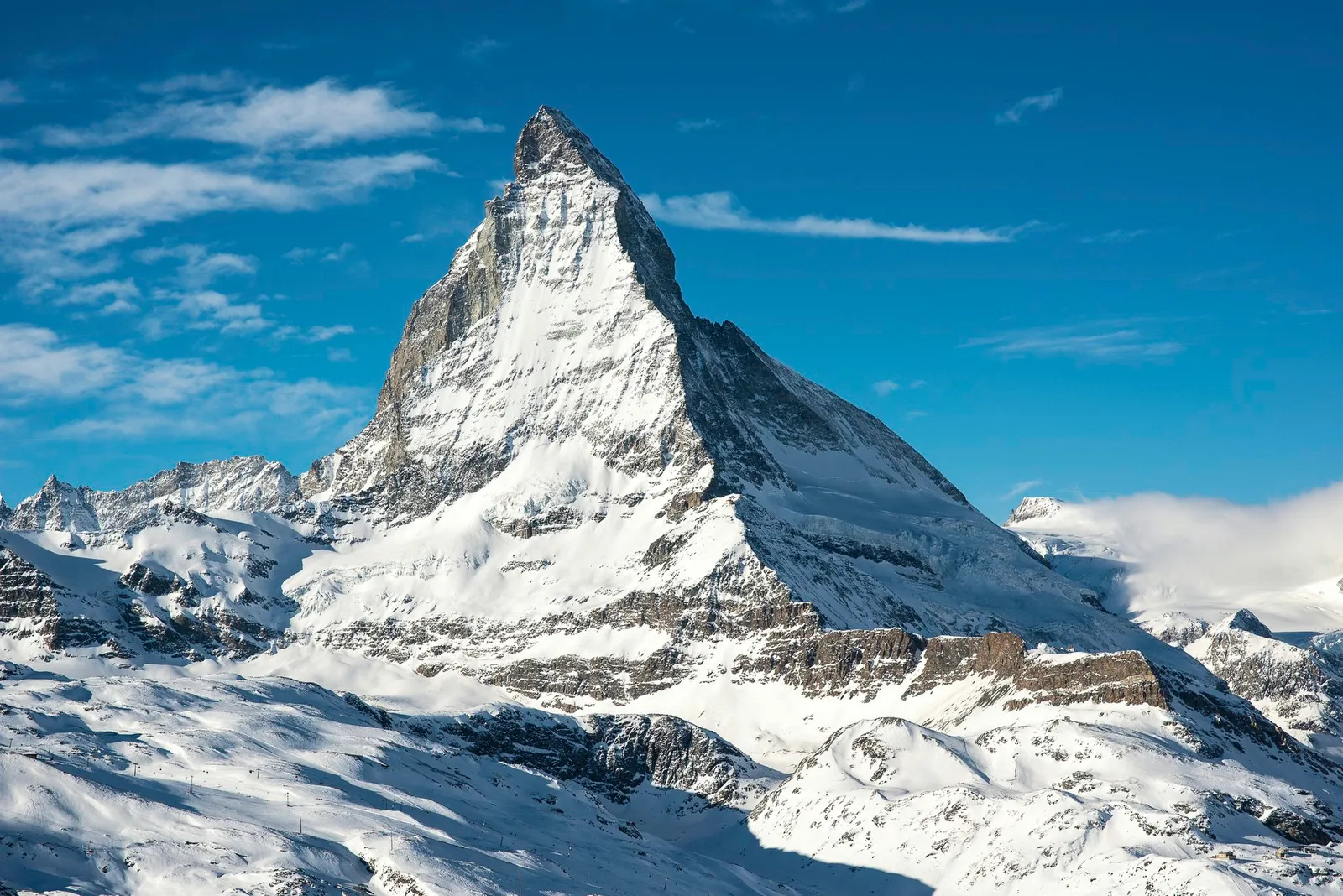
The Matterhorn towers above Switzerland.
Advancing glaciers erode the rock and soil both beneath them and around them. The force of that movement carves out various landforms that become visible once the ice retreats. The Matterhorn in Switzerland is one such case, its distinctive profile having been cut by the erosive power of glaciers. The fjords of Norway are another example of landforms produced by glacial erosion.